Hello Everyone!
It’s been an interesting first week here in Utah. I’ve visited some absolutely beautiful places, learned some fascinating history, and generally had a really good time. Utah is a tremendous contrast to Nevada in so many ways. The landscape is on a smaller scale with more canyons and valleys, buttes and mesas and fewer vast stretches of open desert surrounded by imposing mountain ranges. Culturally, Utah is a predominantly Mormon state so it is more modest and conservative than Nevada (in a cultural sense, not necessarily a political one as Utah is also very conservative politically). Mormons are also very serious about preserving their culture and history, especially from the pioneer days which they consider pre-1869 which was when the railroad across Utah was completed. Because of this there is a tremendous amount of information available and the Daughters of Utah Pioneers have some wonderful museums to display items from Utah’s history. Bars are few and far between and with the exception of a few drinks on Mardi Gras Day, I’ve been sober since I arrived in the Beehive State which is a good thing. But also, I haven’t been bored as there are actually things to do at night here which don’t involve alcohol which I’ve really been enjoying. The weather has gone from hot and sunny to blustery and snowy and I haven’t traveled in more than about 60 miles from the border where I entered the state. All in all, it’s been a fascinating week which has really reinvigorated my journey, so let me tell you all about it.
Silver was found in the hills surrounding what is now Pioche in the early 1860s, but conflict with the local Indian bands led the area to be abandoned soon thereafter. In 1868, San Francisco based land speculator François Louis Alfred Pioche purchased the mining claims and the surrounding area and founded a town he humbly named after himself. Within two years hundreds of miners had come to the mines of Pioche to find work, and it quickly gained a reputation as one of the roughest towns in the west. Signs around town will tell you that 72 men were killed in Pioche before the first citizen died of natural causes. Many of these men were buried in a “Boot Hill” cemetery outside of town. In 1872, Pioche became the county seat of the newly formed Lincoln County and a courthouse was commissioned for $88,000. Bonds were issued to cover the costs and then more bonds were issued to pay back the original bonds. This cycle continued until the state of Nevada devised a repayment plan in 1907 to help pay off the debt. The courthouse was finally paid off in 1938 to the tune of a million dollars, two years after the building was condemned. Next door to the courthouse is the old Mountain View Hotel, where Herbert Hoover apparently stayed when he visited Pioche. The old opera house and the 1937 Gem Theater are other distinct local landmarks. I loved my time in Pioche. In addition to these historic sites, the aerial tramway is such an eye-catching feature for the old mining town. I had a great breakfast with the locals at the counter of the Silver Café, and enjoyed a few beers at The Alamo Club and the Overland Saloon which also hosted a rousing round of Bingo when I was in town. I also absolutely loved their historic marker signs, each of which was topped with a unique design referencing the specific location (see some great examples below). To top it all off, Pioche has a free RV park for visitors to stay in while visiting. I had never heard of Pioche when I passed through, but I’m sure glad I stopped. This was my first visit but it won’t be my last. I hope you enjoy these photos from the old mining town of Pioche, Nevada - a once wild place in the heart of Lincoln County.
Hello Everyone!
It’s been a relatively mellow week out here on the road. Warm temperatures in southern Nevada have been very welcome and have not inspired me to move back into colder climates with any unnecessary speed. I hung around Las Vegas for an extra day to do some work on my van and then lingered in Boulder City longer than I expected. I did see a fascinating old mining town in the El Dorado Canyon near Nelson, Nevada, visited the Lost City Museum in Overton and finally made it out to the Valley of Fire which did not disappoint. I’m ending my week here in Mesquite, right on the border, as I plan to make my exit from the Silver State tomorrow. It’s not been the busiest week I’ve ever had, but sometimes that’s a good thing.
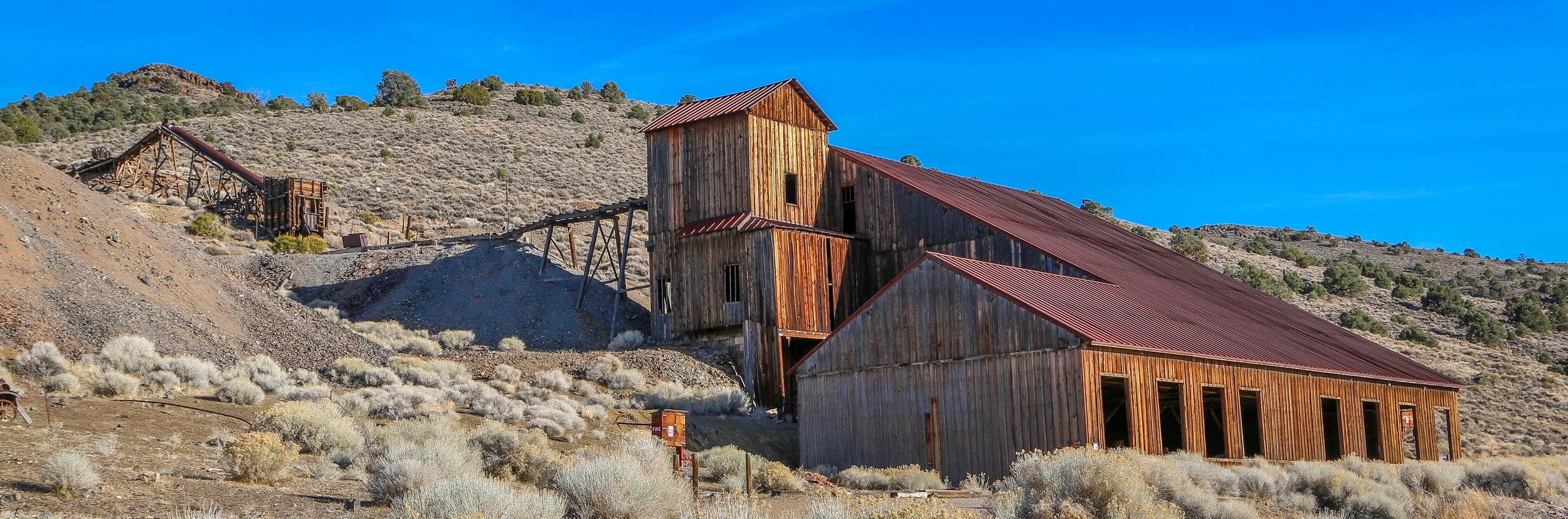
Berlin was established as a mining town in 1897 by German prospectors who named the town after the city in their native homeland. It had a small decade-long boom cycle but declined quickly after the Panic of 1907. By 1911 Berlin was virtually a ghost town and would begin to deteriorate. The land was acquired by the State of Nevada in 1970 to become part of Berlin-Ichthyosaur State Park. Since it was acquired, volunteers have stabilized the buildings and replaced the roofs and now it sits in a state of “arrested decay”. There are some great old buildings to see in Berlin, especially the massive stamp mill. I hope you enjoy these photos from the tiny old goldmining ghost town of Berlin, Nevada - definitely a cool place to see.
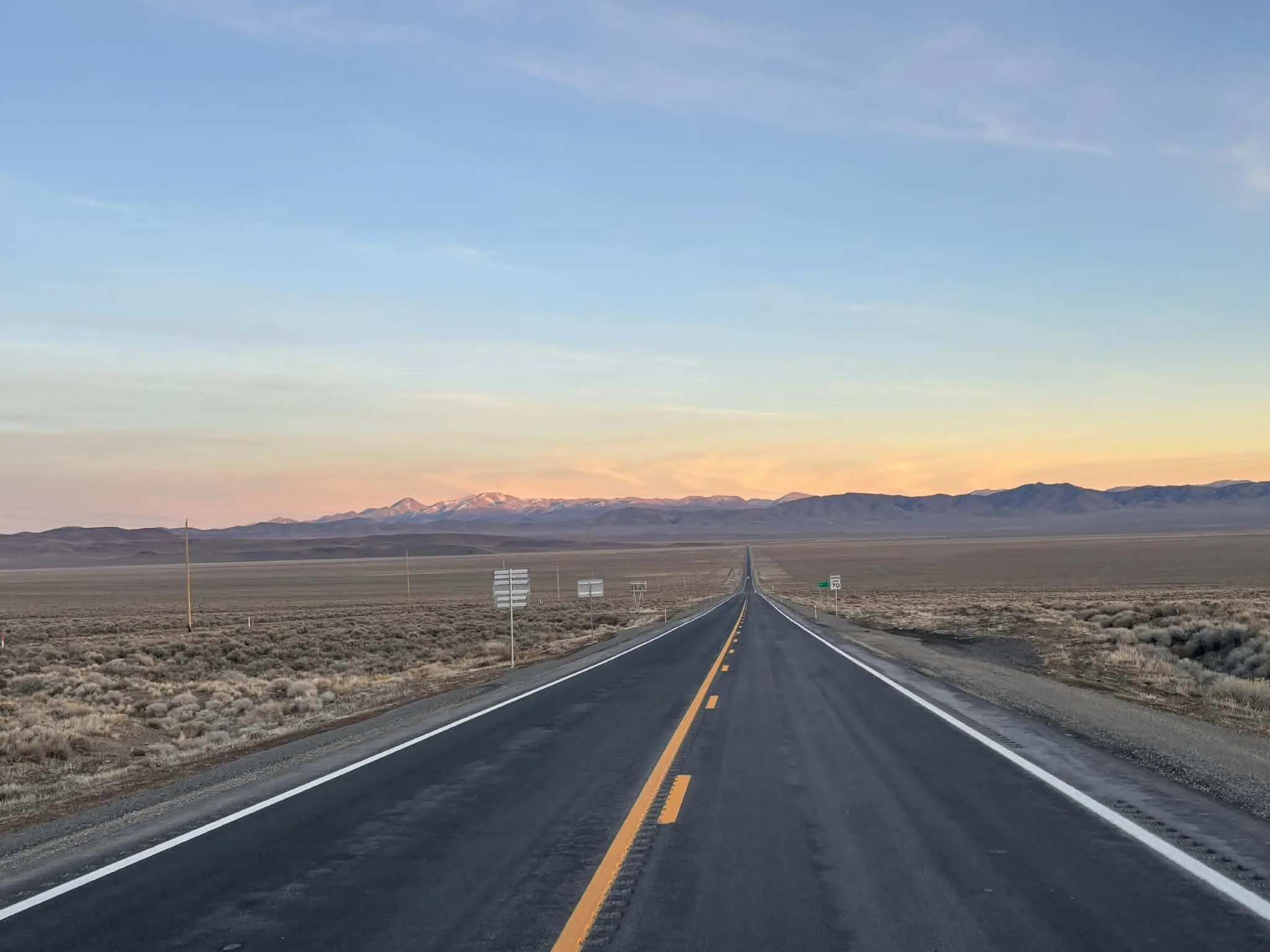
The Lincoln Highway was the original road-tripping route across the country. Dedicated on Halloween, 1913, the Lincoln Highway stretched 3,389 miles from Times Square in New York City to Lincoln Square in San Francisco. It was really the first transcontinental route designed specifically for automobiles and became known as The Main Street Across America. The stretch of the Lincoln Highway that crossed Nevada was planned along a well-trodden path. This route had previously served as a stagecoach route, the main trail for the Pony Express and the transcontinental telegraph also ran along this path. Many years after the highway was built, in 1986, Life magazine called this stretch of road across Nevada “The Loneliest Road in America”, and that wasn’t meant as a compliment. Nevadans, however, loved it and set out to make it a state scenic byway, erecting signs, creating a passport and marketing it to outsiders as The Loneliest Road. It connects fascinating old mining towns like Austin, Ely and Eureka and passes by old Pony Express stations, vast expanses of desert and the ruins of Fort Churchill (now a state park). I’ve made this run across Nevada several times and always really enjoyed it. There’s a lot of history out there and some great bars along the way as well. I hope you enjoy these photos from my time traveling down Nevada’s section of Route 50, The Loneliest Road in America.
Hello Everyone! This week brought me down the east side of the great state of Nevada as I traveled from the old railroad town of Ely to fabulous Las Vegas. It’s another pretty desolate run with lots of wide open, beautiful desert to see. Nevada Route 93 is a great road and an easy one to cruise down with the windows down and the radio up. Tumbleweed blew across the road on more than one occasion. I also saw both a coyote and a roadrunner speed across the highway in front of me, but if the coyote was chasing the roadrunner, he was several hours behind. Perhaps an Acme brand rocket might help him catch up. I did stop through some cool little towns along the way and hiked in three really nice state parks as well, which were all nice to break up the ride. As I’ve been making my way south, I’ve been reading Reno’s Big Gamble by Alicia Barber which is an interesting look at the history of “The Biggest Little City in the World”. Two passages really stuck out though and made me smile so I thought I’d share them with you here. The first talks about how Nevada is right in between the Sierra Nevada Mountains, arguably the most beautiful part of California, and the incredible and diverse landscapes of Western Utah, longtime home of the Mormon Church. That leaves Nevada stuck in the desert “east of Eden and west of Zion”. The second quote stated that Nevada was “only fit for lizards and blizzards”. Both gave me a good chuckle. Nevada is a wonderful place but it takes some time here to understand that and the wide-open desert can be as daunting as it is beautiful. It’s hard not to imagine the emigrant parties toting all of their possessions with them in an old wagon starting off across the great unknown. The distances are much greater than they appear and I can only imagine what went through their heads as they struggled across a few miles at a time. Thankfully I move along at a much quicker pace. All in all, it’s been another great week on the road.
Hello Everyone!
It’s been a week of old towns, dusty bars and wide-open spaces as I made my way across the great state of Nevada along U.S. Highway 50. U.S. 50 is also called the Lincoln Highway and was established in 1913 as the first transcontinental road for cars. Back in 1986, Life Magazine called the stretch of U.S. 50 that crosses Nevada “the loneliest road in America”, something the local communities out here wear as a badge of honor. It’s a fascinating stretch of road that runs along the old Pony Express trail, was once a storied stagecoach route and was where the first transcontinental telegraph crossed the state. For some reason the railroad chose the northern route across Nevada which is where Interstate 80 runs today. That has left this stretch of road far less traveled and far more interesting and the historic (and active) mining towns along the way are all worth a visit in their own right. It’s one of my favorite road trips in the country and one I’ve made several times over the years, but it was nice to take an extra day or two and not feel rushed in the crossing…
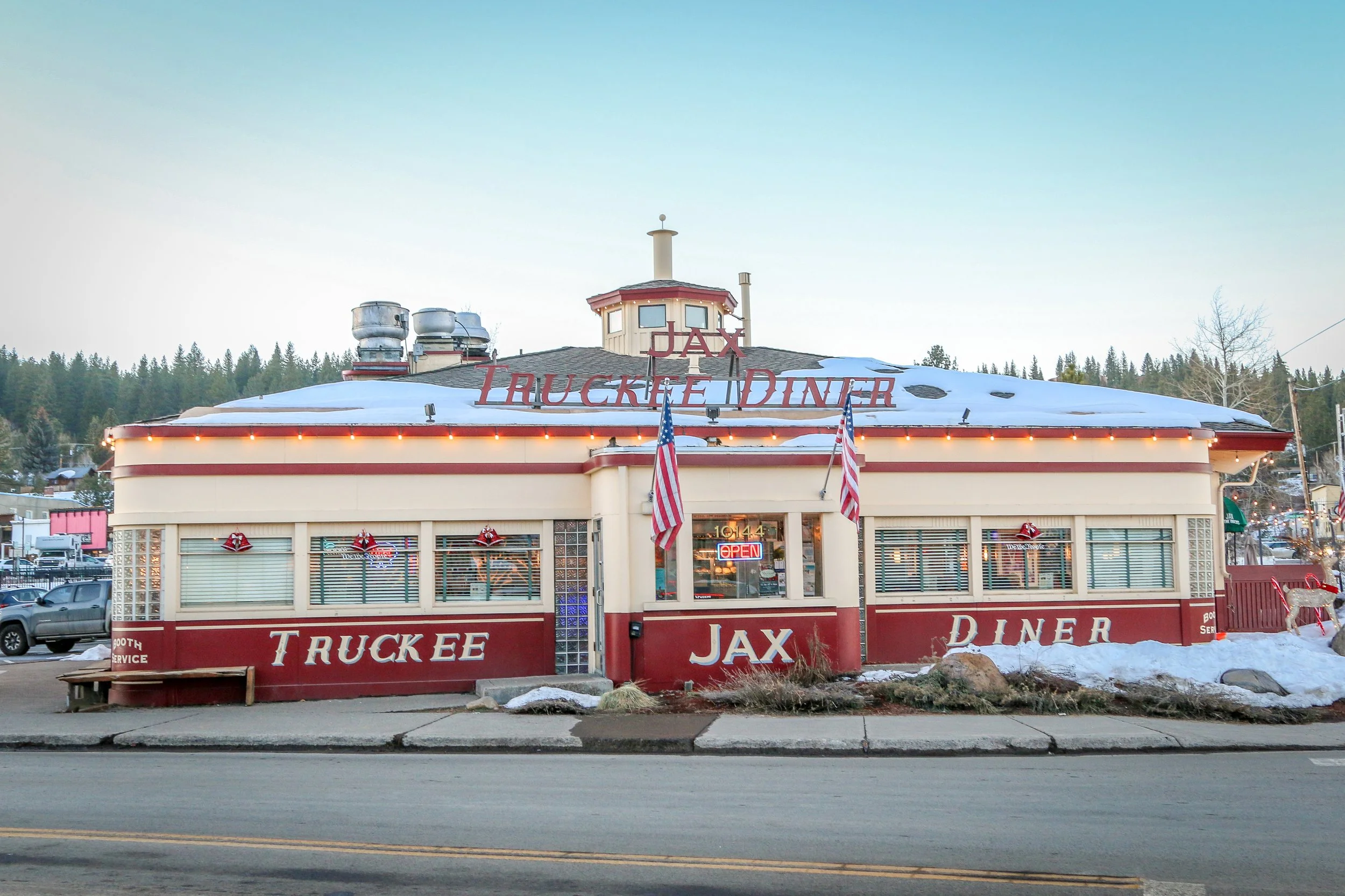
Truckee is an adorable little town nestled in the Sierra Nevada Mountains just over the border into California from Nevada. Originally Paiute Indian land, Truckee gets its name from Chief Truckee who welcomed early settlers and helped them traverse the pass through the Sierras. Among the earliest American emigrant parties to pass through the area was the ill-fated Donner Party who only made it a little ways further up the mountain before getting snowed in by early winter weather in 1846. As more emigrants arrived, a roadhouse sprang up to supply them. Later, the Truckee River gorge would be the route chosen for the transcontinental railroad with Truckee named as a station location, and the town would grow up around it. Truckee was the site of one of the country’s first ski lifts, and skiing is one of the area’s major tourism draws. In the summertime, there are plenty of trails to keep people coming and, with Lake Tahoe just a 25 minute drive away, the town keeps pretty busy year-round. Truckee is a great place to visit with lots of character and some great old buildings. If you’re ever in the area, pop on in for a visit. You may find yourself staying longer than you thought you would. I hope you enjoy these photos from wonderful Truckee, California.
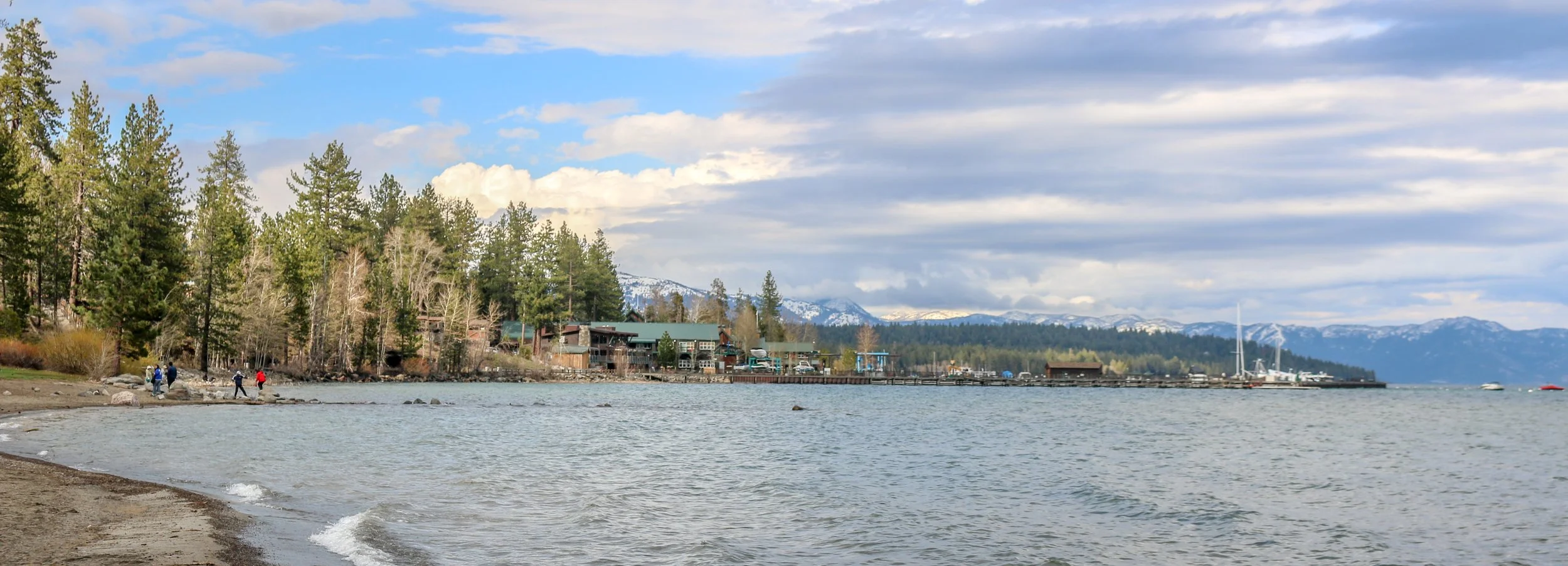
Hello Everyone! It’s been a lovely week here in the greater Lake Tahoe region. The weather has been cold, but also clear and sunny and hard to beat for the middle of January. I’ve spent most of the week catching up with old friends and taking it slow which has been really nice. I did get out for a day on the slopes in South Lake Tahoe while I was here which was awesome and a real treat. It’s about time for me to hit the road again and head out across Nevada, but it’s been a nice break here in the mountains among friends…
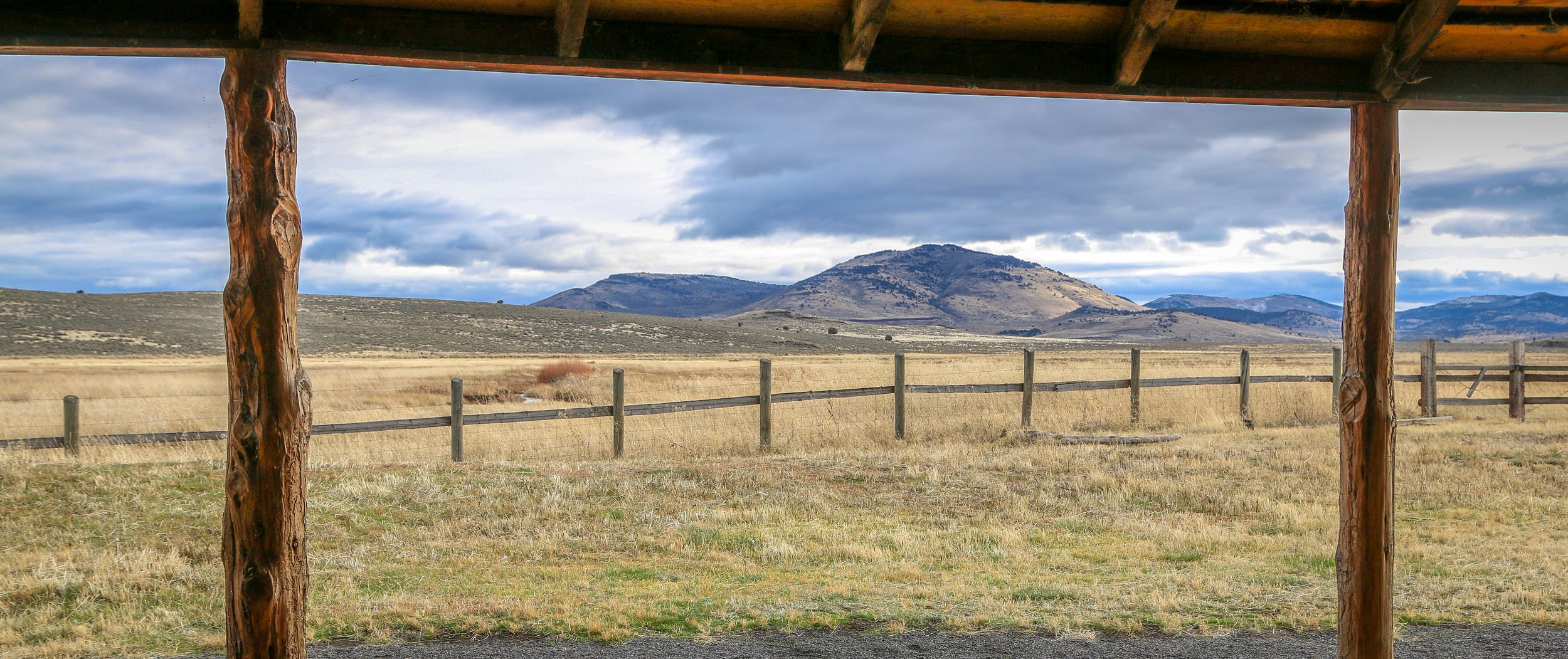
When you say the word “Oregon” to most people, it’s highly unlikely that any of the photos in this post would pop into their heads. Most people picture The Beaver State as a lush, green place full of rivers and waterfalls or maybe the rugged coastline of Western Oregon. But the southeast is an important piece of the puzzle as well. Desert valleys and volcanic craters, snow dusted mountains and rugged frontier towns make up this corner of Oregon and it’s a fascinating place to visit. When I was there I had it almost all to myself. The people of the region are tough and life isn’t necessarily easy out there, but the wide open spaces sure let your soul breathe a little bit. If you ever get the chance, come for a visit. You may find yourself lingering longer than you thought you would. This ain’t Portland and it’s not trying to be. I hope you enjoy these photos from the beautiful southeast of Oregon, a very different side of the Beaver State.
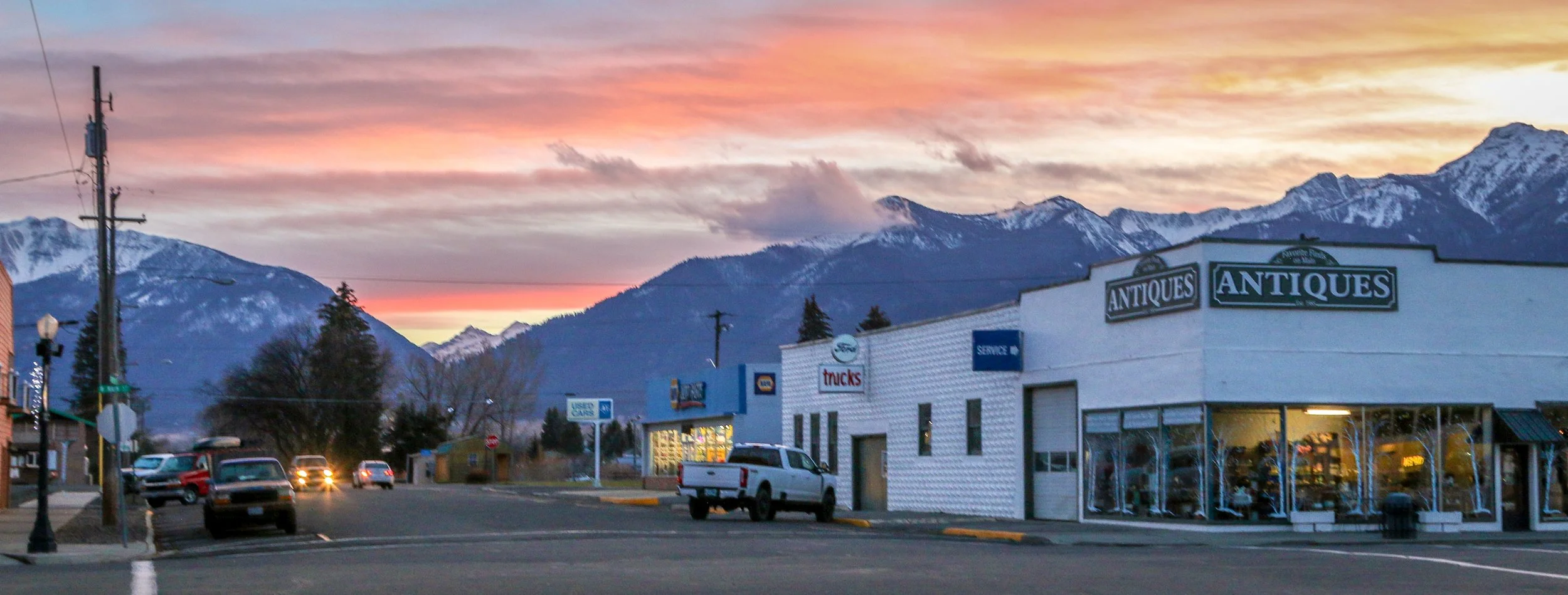
One of the west’s most fascinating historical figures to me has always been Chief Joseph of the Wallowa Nez Perce. Joseph was both a warrior and a peacemaker but ended up in an impossible position in 1877 after a treaty guaranteeing his band’s place in the Wallowa Valley was broken and four white settlers were killed by his people in the aftermath. He fled towards the Canadian border with his band but was overtaken just shy of the border. In the aftermath of what has become known as the Nez Perce War, the Wallowa band was resettled on the Colville Reservation in Washington which I visited late last year. Joseph traveled far and wide speaking on behalf of his people and never gave up hope of returning to his beloved Wallowa Valley. He spoke so fondly of it that I knew I had to go visit the area when I had the opportunity. What I found was a stunning valley, surrounded by mountains and ribboned with rivers and lakes, As soon as I descended into the valley I could see why Chief Joseph was so passionate about it. In addition to being their traditional homeland and the place where their dead are buried, it clearly provided them with everything they would have ever needed.
Nestled in the heart of the Wallowa Valley is the town of Enterprise, an adorable little mountain town founded in 1886 and now home to about 2,000 people. Enterprise is both the county seat of Wallowa County and the main supply town for the region. The railroad arrived in 1908 allowing the Eastern Oregon Lumber Company to form a few years later. Lumber is still a major player in the local economy and, along with the local ranching operations, helps keep the town afloat. I loved the little historic downtown core which is clean and well-kept, and dinner at the Range Rider was also a treat. I thoroughly enjoyed my time in Enterprise and the Wallowa Valley and I hope you enjoy these photos from my visit.
Hello Everyone! It’s been a cold week out here on the road with nighttime temperatures dipping into the single digits. While I’m always prepared for the cold and have plenty of warm clothes and blankets, it’s no fun getting out of bed in the morning. Thankfully it’s also been a week of catching up with old friends and tagging along with them on their adventures so my spirits have been high all week. I started my week in Winnemucca, made my way across the top of the state on Interstate 80 and am finishing my week here in Reno, “The Biggest Little City in the World”.