Hello Everyone,
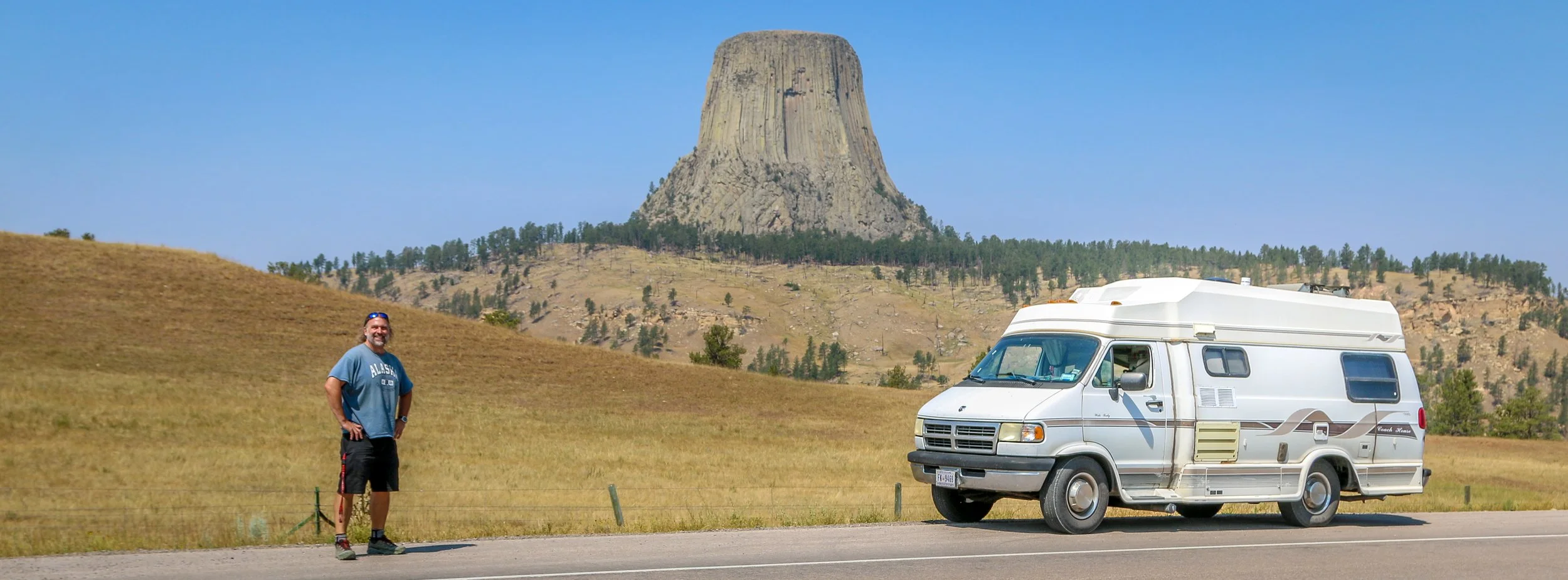
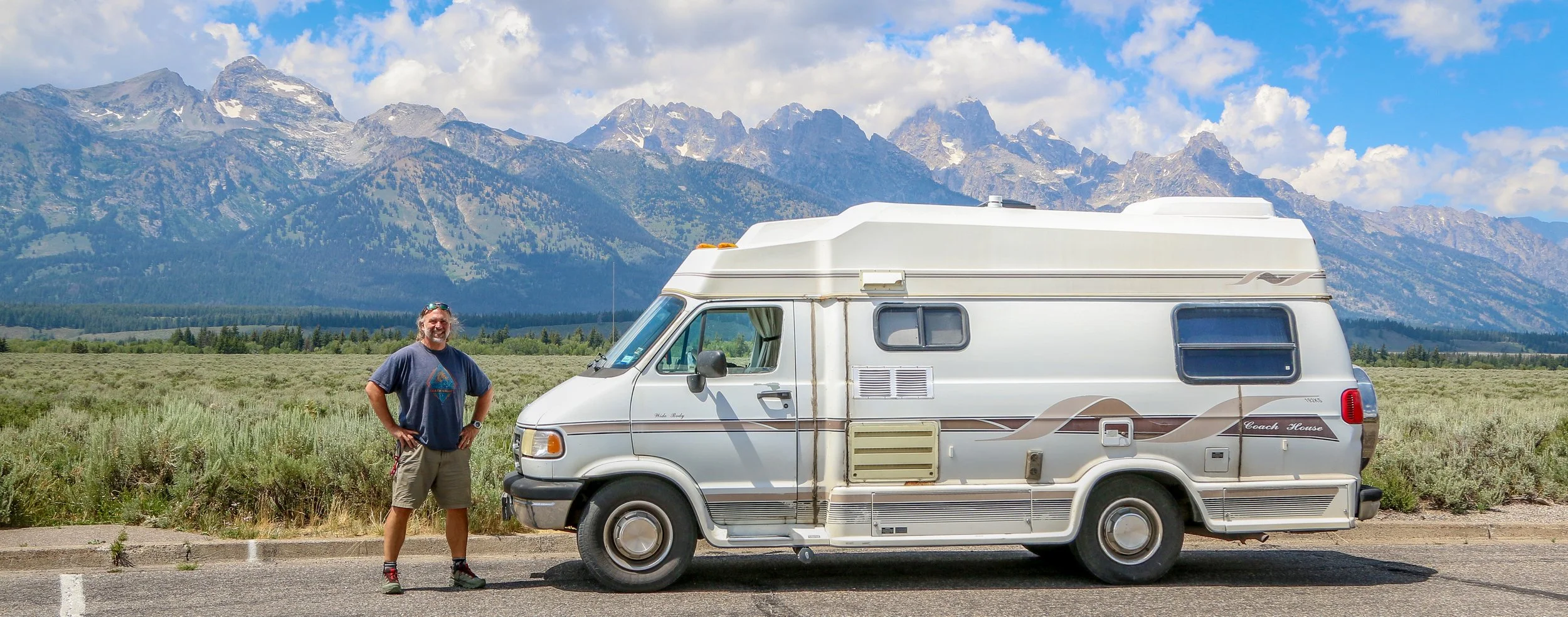
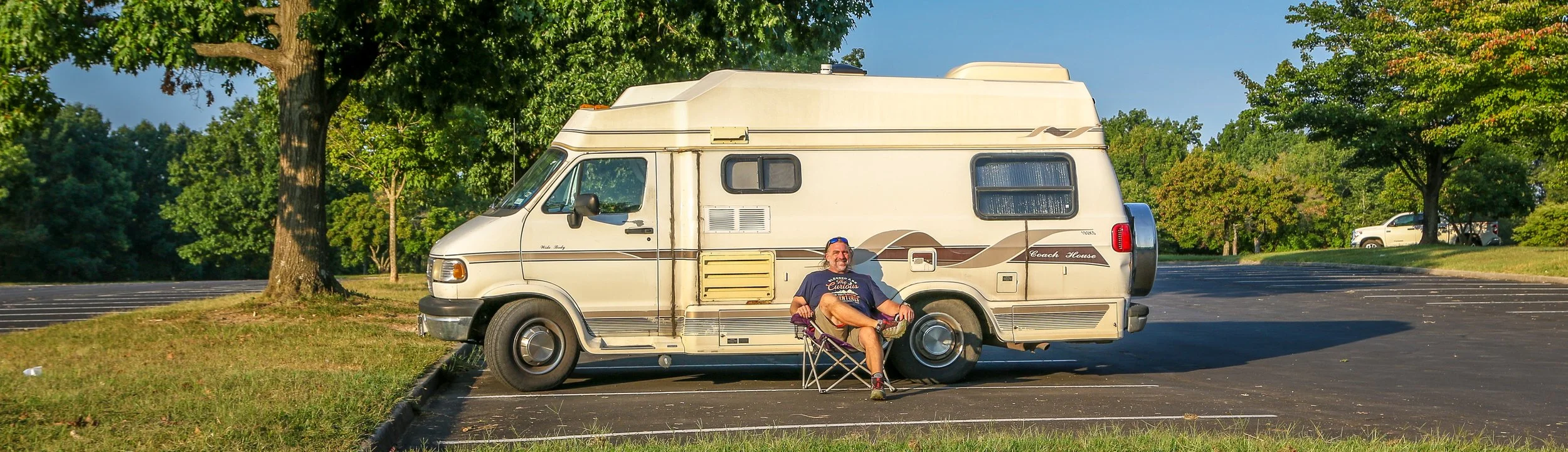
It’s good to be home here in Washington D.C. I’m sorry I didn’t send out my newsletter last week, but I got home on Wednesday and very quickly went from being off on my own adventure to being a part of a family, a friend group and a community all at once, which was a bit overwhelming. But I am home safe and looking forward to hanging around here for the next few months as I prepare for what comes next. My van is almost completely empty, which has been no small chore. It’s been five years since we were last here in D.C. together and having worked three tour seasons during that time as well as just the normal accumulation of things, there was a lot in there. It feels so much lighter and easier to drive, but it’s also a bit sad to have it empty after so many years. As I’ve mentioned before in this newsletter, I think it’s time for me to sell her and find her a new home with someone who needs and expects less from her than I do. She’d been good to me and we have travelled an amazing 92,500+ miles together across the country and back. We passed through 35 states together, having spent at least a month in 25 of those states. Over the next couple of months, I hope to look back at our time together in some upcoming posts as I try and process how much of this country we actually had the opportunity to experience. She was my vehicle, my home and my constant companion through so many beautiful places and I really couldn’t have asked for much more. But before we start in with any of that, I want to look back at our last week on the road together, so let’s get into it.
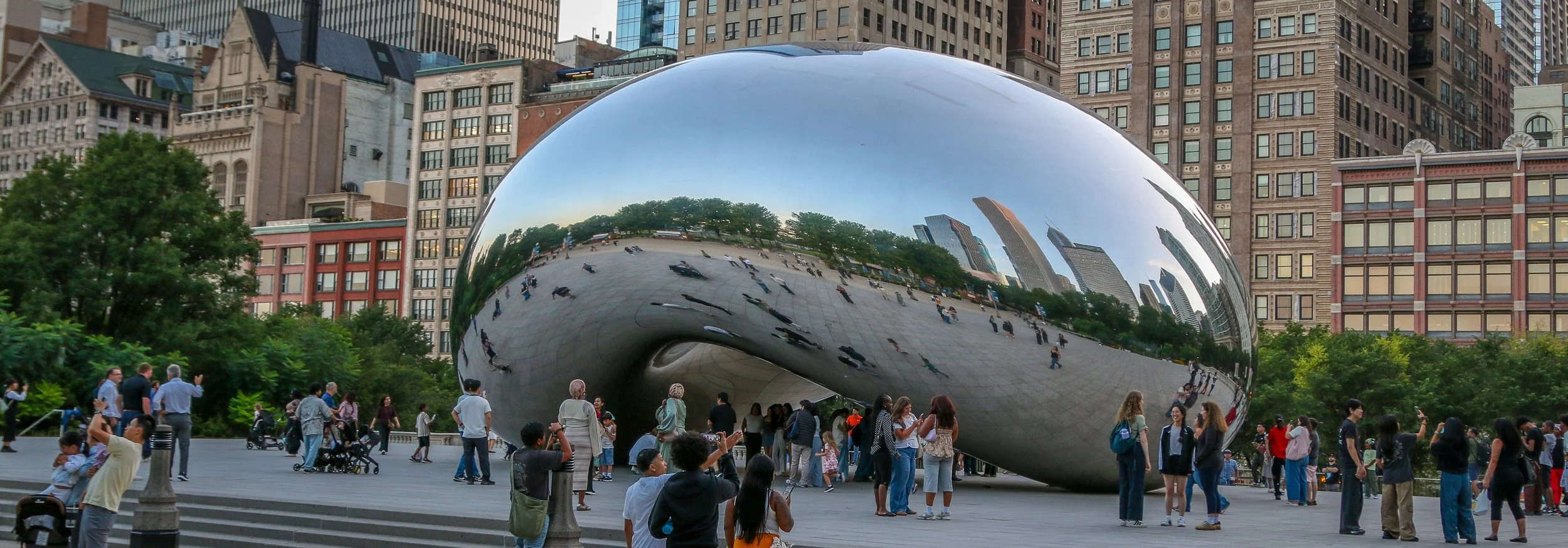
When last I wrote, we were in Chicago. I spent the rest of that day just meandering around the city. I wandered around Wrigley Field for a while out in Wrigleyville. I got another Chicago-style hot dog and had a slice of Chicago-style deep-dish pizza, both of which were excellent. Putting aside the argument over whether deep-dish pizza should even be called pizza at all, I think it’s delicious and I always look forward to it whenever I’m in town. I spent some time out on the Navy Pier, enjoying views back over the city and some quiet time along the shores of Lake Michigan. Then I headed out to the Old Town neighborhood for a while to wander around some of the older homes and businesses in the city. I had a beer in Marge’s Still, Chicago’s oldest bar, and then wound up at the Old Town Ale House which was awesome. Located right across the street from the Second City Comedy Theatre, the Ale House has seen a lot of famous and interesting people walk through its doors over the last 68 years. I had a nice, long conversation with the bartenders and a couple of the regulars there which I really enjoyed before heading back to my van for a quiet night on the north side.
I was up early on Thursday, but didn’t want to sit in rush-hour traffic so I waited until after 9am before I took off. I cruised south along the lakeshore and through Indiana into Michigan. I stopped off in Kalamazoo for a couple of beers at Bell’s Eccentric Cafe and then continued on to Battle Creek. I spent some time near the old Battle Creek Sanitarium which was, at one time, one of the country’s premier wellness facilities. Run for many years by Dr. John Harvey Kellogg, the sanitarium had once welcomed people like Thomas Edison, Amelia Earhart, President Warren G. Harding, Sojourner Truth, Henry Ford and Mary Todd Lincoln. One day, Dr. Kellogg had left out a batch of wheat dough when he was called away on some urgent business. When he returned, his dough had spoiled so he rolled it out into a thin layer and baked it. When it was cooked, it turned into flakes which he then served to his patients. They liked it, and his brother Will decided to try and sell it. He went with corn instead of wheat, and Kellogg’s Corn Flakes were born. I wandered around Battle Creek a little bit, pondering the history of cereal, and then spent a quiet night at the nearby casino. I won a few dollars and called it a night.
I took off early on Friday and shot straight across the rest of Michigan and into Ohio. I made a beeline for Catawba Island and caught the ferry out to Put-In-Bay on South Bass Island. I had been to the island many years ago, but it was cold and gloomy that day and I thought a sunny day out there would be a lot of fun. It was. I spent some time at the national park visitor center learning more about Commodore Perry’s victory over the British fleet in the war of 1812. The British surrender in that battle secured Lake Erie for the United States and helped the war effort immensely. Satisfied with the educational part of my day, it was time for beers and good times. They really do a good job of capturing the island vibe for an Ohio town in the middle of the Great Lakes. I caught the last ferry back and decided that one day hadn’t quite satisfied the island-loving part of my soul and since I was already there I thought I might as well spend Saturday there as well. The ferry parking lot is free and a quiet and easy place to spend the night.
I took an early morning ferry back to the island on Saturday and was able to check out the history museum for a while before some more island fun ensued. There were some great live bands out there on a summer Saturday playing to good sized crowds and the weather couldn’t have been better. It was busy, but not crazy and my second day on the island was really enjoyable and a great way to close out my summer. Even though this summer hasn’t been everything I hoped for, those last couple of weeks in the Great Lakes region really made up for a lot of the issues I had been dealing with, especially with the record-setting heat I faced in Wyoming and South Dakota.
After another quiet night on the mainland, I set off for Cleveland. I made one quick stop in Milan (pronounced “my-lin”) to see the humble birthplace of Thomas Edison before continuing on to the city. My first stop when I arrived was the fantastic West Side Market, a real old-school city market in the Ohio City neighborhood. I wandered the stalls, looking at sausages and seafood and piles of pastries of every sort. I had some delicious spanakopita and a meat pie and a couple of cannoli for dessert. From there I drove downtown where I found a good parking spot by the football stadium. It was paid parking, but it was safe and clean and walking distance from the center of town. I took a nice, long walk around downtown Cleveland, stopping to see their gorgeous old Soldiers and Sailors Memorial. There were also some beautiful old churches and the classic Hotel Cleveland which always makes me think of A Christmas Story. I stopped in for a couple of beers here and there and ended up at the Noble Beast Brewery which was excellent.
I woke up the next morning to two parking tickets on my windshield. I was the only vehicle in the lot, and since it was pay-by-plate, I would have thought they would have checked before issuing any tickets. I had my receipt (always get a receipt!), and got them cancelled, but it was a pain I should not have had to deal with. I went back for a morning walk around the city and then took off for Pittsburgh. I didn’t have anything in particular that I wanted to see in Pittsburgh, but it had been a long time since I have spent any time there, so I found a nice parking spot and had a nice long stroll around town. I stopped in for a sandwich at Primanti Brothers which has been around for a long time and makes a good corned beef sandwich piled high with meat, fries and slaw for an outrageously good price. Deciding I didn’t want to spend another night parked in a city’s downtown, I headed just south to Washington, PA for the night.
It was getting hotter the further south I went, and I considered just heading home from Pitsburgh but I really wanted to end my time with my Shadow Catcher where it all began. So I stayed the course and headed towards West Virginia. I stopped in Martinsburg for a while and spent some time at the library there where it was nice and cool. I popped over to the old 1866 Baltimore and Ohio Railroad roundhouse, the only surviving iron-framed roundhouse left in the country. It was also where the Great Railroad Strike of 1877 kicked off. After finding out that they were receiving a pay cut (their third that year) while stockholders were getting dividend checks, the workers uncoupled the locomotives and locked them away, stating that no trains were leaving Martinsburg until the pay cuts were rescinded. The strike spread to many parts of the country and at its peak, the strike involved over 100,000 workers, many of whom didn’t work for the railroad at all. Local police either couldn’t or simply wouldn’t try and break the strike, so the governors appealed to the president who sent in federal troops. They broke the strike, the pay cuts remained and people went back to work. There were no unions at the time and no organization, but it was an early effort to band together for better conditions which would lead to the labor movement in years to come.
From there I continued on to Harpers Ferry. I spent some time reading about John Brown’s raid which was an attempt to start a revolt of enslaved people back in 1859. John Brown, a Calvinist and abolitionist from Connecticut, led 21 men under cover of darkness to try and take the federal arsenal at Harpers Ferry. They hoped to seize the rifles there and distribute them to the nearby plantations where the enslaved would rise up and spread across the south, leading to their liberation. They managed to seize the arsenal, the armory and the rifle works, but the revolt never materialized and most of his men were gunned down by local militia. They ended up blockaded inside the armory’s fire engine house and federal troops were called in. I found it fascinating that the men who came to put down an armed insurrection against the United States were led by Lieutenant Colonel Robert E. Lee and Lieutenant J.E.B. Stuart, who would fight for the Confederacy 18 months later. Brown was captured, tried and hung in nearby Charles Town.
I spent the rest of the afternoon reading up on the time that Merriweather Lewis spent in Harpers Ferry, supplying his Corps of Discovery mission. I’ve spent so much time this year with Lewis and Clark that I wanted to revisit where it all began. Before William Clark or anyone else joined him, Lewis was on his own trying to decide what he needed for a journey into the wilderness which would last several years. I remember how it felt trying to decide what to pack in my van for my long multi-year journey across the country, so I could sort of imagine what it must have been like for him knowing there were no Walmarts along his path. He would go to Washington to officially kick off his expedition with Thomas Jefferson and then he returned to Harpers Ferry, collected his supplies and move on to Pittsburgh. He traveled down the Ohio River and rendezvoused with Clark and they went from there. As the daylight started to fade, I went for dinner at my mom’s favorite spot in town – The Rabbit Hole – which looks out over the train station and has wonderful food. I had a great dinner and a couple of beers and then took the long two mile walk back to my van. It was still 80° at 10pm, and I was a sweaty mess when I finally got back, but I cooled off for a while and then turned on all of my fans and made it through the night.
I had a last look around on Wednesday morning and then headed for home. It’s a nice ride back and took me about an hour and a half, and I was glad that we had come full circle on our journey around the country together. The road we had left home on back in 2017 was the same road we returned on in 2026. And here I am, back at home in D.C. Home is a special place for me but it’s always strange because I can kick back in my bed and wonder if it even really happened. It’s been great to spend time with my family this week, to sleep in an air-conditioned house, and to begin to think about what comes next for me.
Miles2Go will continue, although I may not put out a newsletter every week while I’m home. I still have photos to get edited and published from the last few weeks as I’ve been on the go and simply haven’t gotten to them. As I mentioned above, I hope to get some retrospective posts written about exactly where we’ve been and how much of the country we actually saw. I’ll get my van cleaned out and put it on the market and hopefully find a new home for it soon. I will be spending a lot of time with family and friends over the next few months and hopefully seeing some people I haven’t seen in a while. I’ll head up to New Hampshire in a week or two to spend some time with my brother and we’re going to get some camping and fishing in while I’m there. My uncle’s house still needs some work, but I’m determined to help my mother get it on the market before I take off again. I’ll do plenty of day trips around the area and hopefully a few that take me further afield. I know I mentioned it a few weeks ago, but I’ve started doing short historical videos on my Facebook and Instagram, and they’ve really taken off. I did one on Chef Boyardee when I was in Cleveland which has been watched by over 300,000 people, so it’s definitely getting some attention. Please come have a look – my accounts are linked at the bottom of the footer on my website (click through if you’re reading this on your email). My Facebook page had a little under 800 followers a month ago, after nine years on the road, and now has over 5,000. I’m going to see where this leads and would love it if you wanted to check it out. Other than that, it’s time to enjoy some downtime and plan for the future. If all goes according to plan, I’ll be back on the road in early 2027, heading west to a new tour guiding job based out of Colorado. But a lot can happen between now and then and I’m open to see what comes up. This isn’t the end of anything, just turning the page to a new chapter. I hope you’ll come along for the ride, wherever it takes us. Thank you all so much for all of your support over the last nine years. Your notes, messages and comments have meant the world to me and I hope I’ve been able to show you some places you didn’t know existed during that time. Enjoy the rest of your summer and I’ll be back in your inbox soon. Thank you, as always, for reading.
-Mike