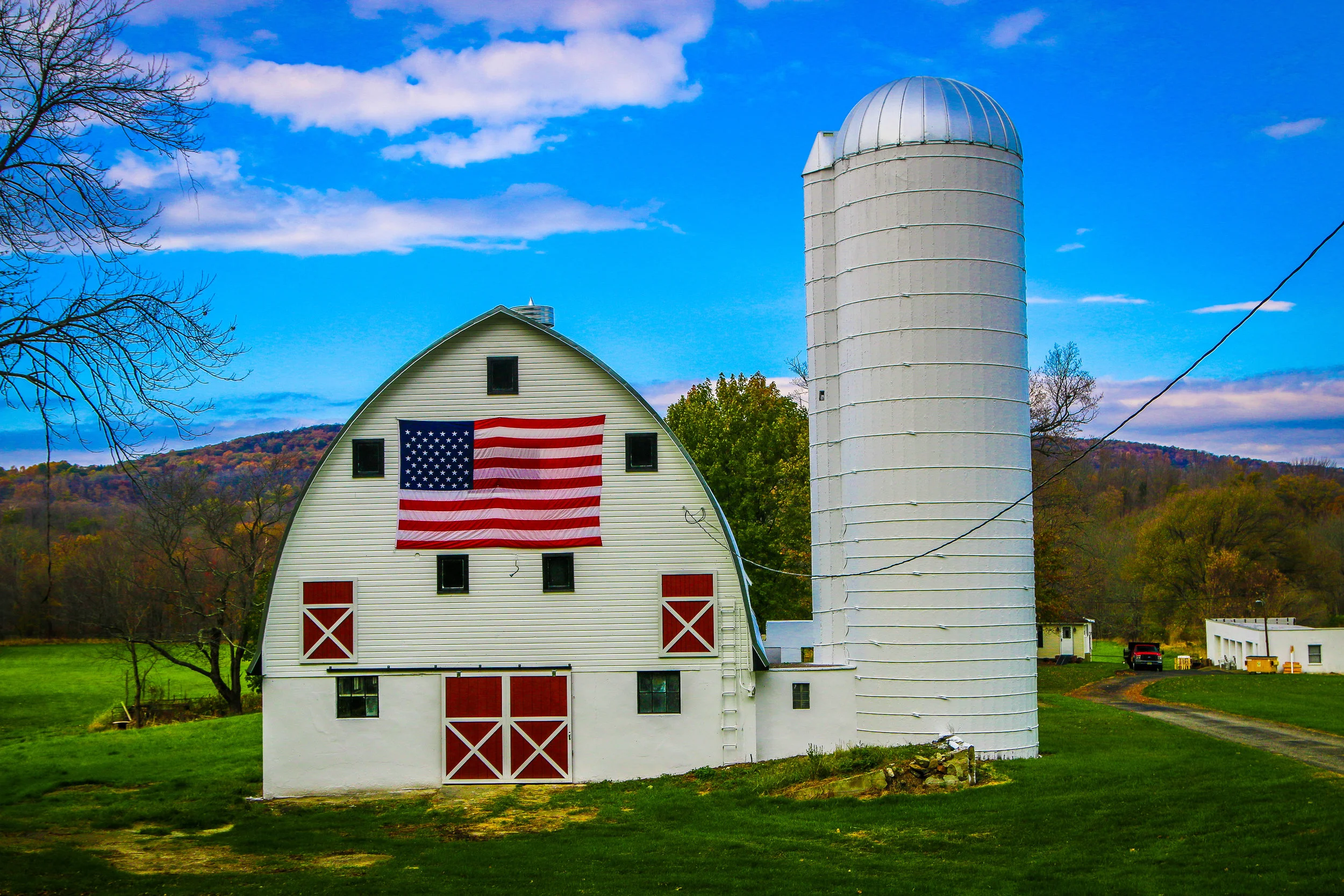
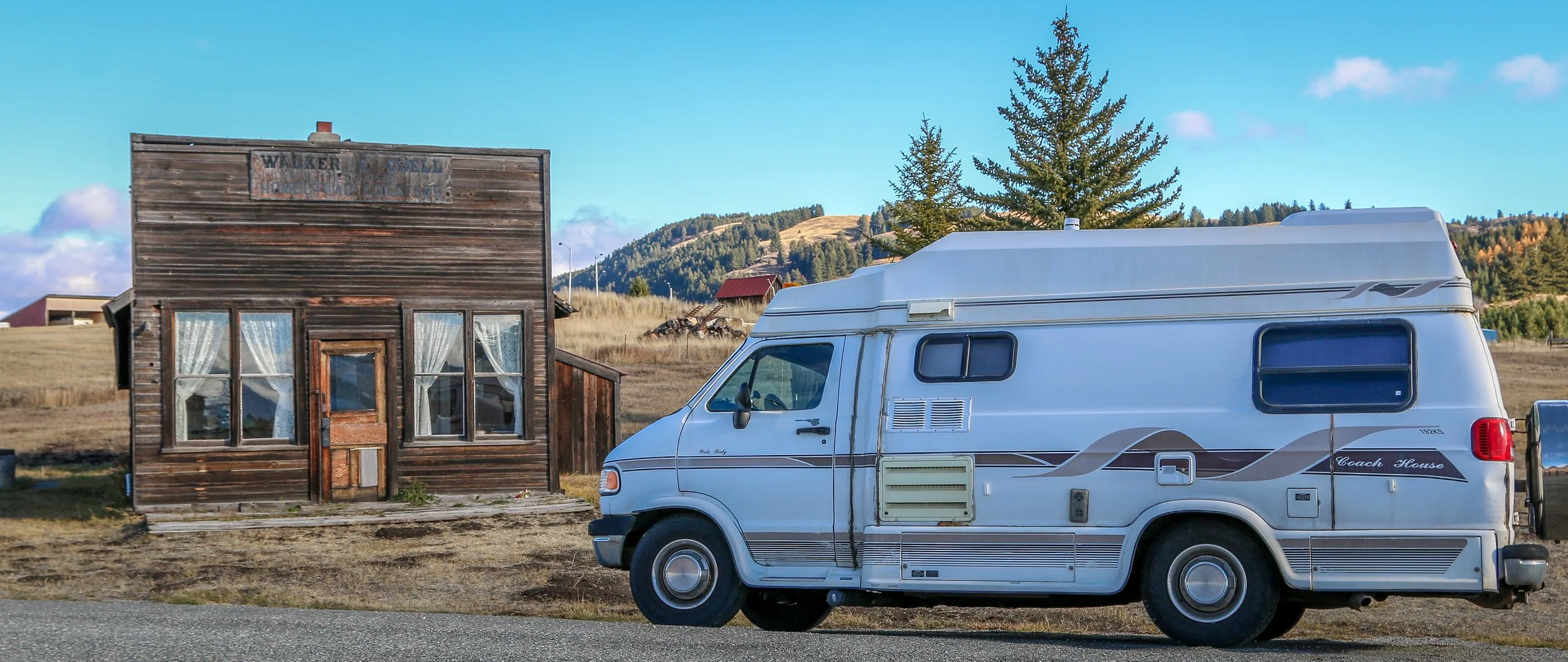
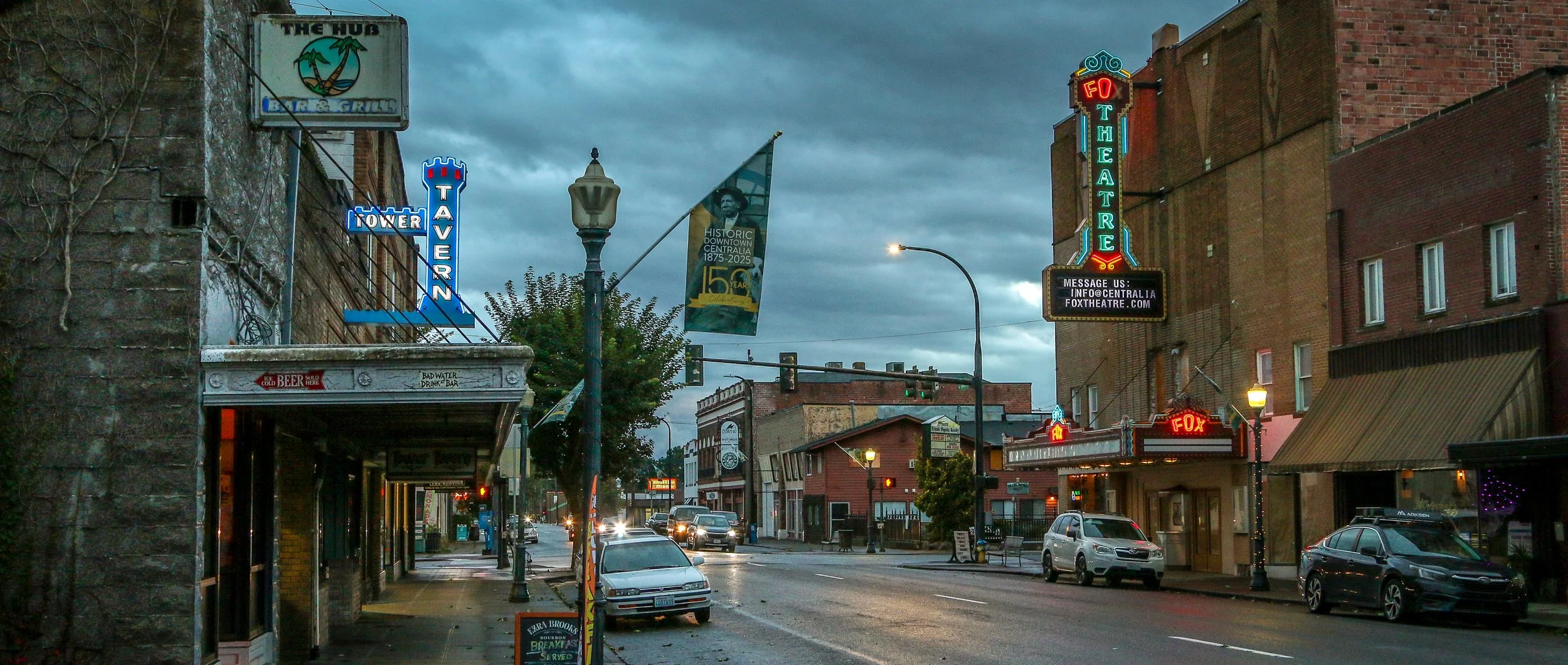
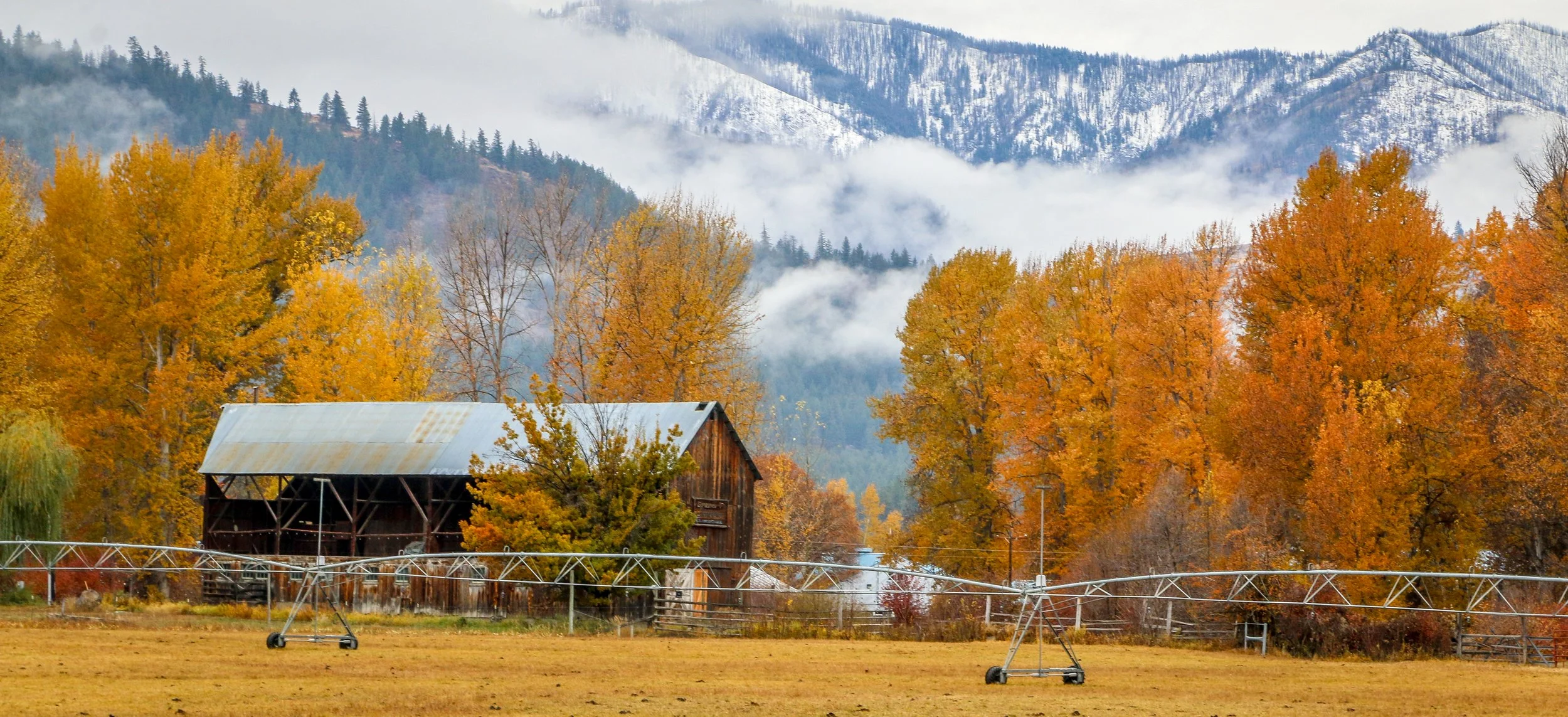
It’s been an interesting week out here in the “Inland Empire” of Washington State. The week started out in deserted ghost towns of the far northeast of the state, took me to the big city of Spokane, led me just across the border into Idaho for a night and finally back towards the center of the state and the enormous Grand Coulee Dam. I’ve passed through a lot of ranch country this week and a handful of railroad-and-grain-elevator towns similar to those found all across the heartland of the country. I caught a lot of live music this week, ate one too many burgers and somehow managed to dodge most of the raindrops in the area. All in all, I’d say it’s been a good week.
Most states have at least one town with a European theme and if you’ve been following this blog for a while, you've seen that they are too rich in photography opportunities to pass up. Which is the point. Poulsbo, a small town of just over 11,000 residents, is a beautiful example of how to do this well and judging by the number of tourists I saw there during my stay, it’s working well for them.
This area was originally inhabited by the Suquamish people who currently live on a reservation just down the road. After the Treaty of Point Elliott was signed in 1855 moving American Indians in Washington onto reservations, the vacated land was open to settlement. Norwegian immigrant Jørgen Eliason founded the townsite in 1880 and was soon joined there by other Scandinavians who appreciated the landscape and location on what’s now called Liberty Bay. When the town grew to a size that it needed a post office, one citizen recommended “Paulsbo” after his Norwegian hometown. The authorities in Washington DC misread the handwriting on the petition and the town would forever after be known as Poulsbo instead. Norwegian was the primary language spoken in the town until World War II when the town experienced an influx of GIs who came to work at the nearby Puget Sound Naval Shipyard in Bremerton.
I had a fantastic time in Poulsbo. I was thrilled to find some great Oktoberfest beers on tap and delicious European comfort food at Tizley’s Europub. I enjoyed another great fest beer while sitting next to a lovely outdoor fire pit at Valholl Brewery, and live music at The Brass Kraken finished off the night. The next morning I had a delicious pastry from Sluy’s Bakery and then sat down to all-you-can-eat pancakes at the Sons of Norway Hall. In between all of that fun, I managed to take some great photos, especially around dusk when the water was still and amazingly reflective. I hope you enjoy these photos from beautiful Poulsbo, Kitsap County’s Little Norway.
I came to Centralia to enjoy a night in the storied Olympic Club - a century old private men’s club turned hotel and bar. The beautiful, old mahogany bar, enormous woodstove, leaded glass fixtures and spacious pool room were all I imagined them to be and more and I definitely recommend a visit. But there was more to Centralia than the club. I found some great neon signs, a cool old theater, some colorful businesses, friendly locals and one of the prettiest tower clocks I’ve ever seen (so pretty I included day and nighttime photos below!).
This area was originally home to the Upper Chehalis people and settlers started arriving down the Oregon Trail in the mid 19th century. One of the original non-native settlers was a free Black man named George Washington who arrived in 1850 with his adoptive parents. Washington is remembered as the founder of Centralia and in 2023 his birthday was officially designated as Centralia’s Founder’s Day. When a road was built, it became the central stopping point on the stagecoach route between Tacoma and Kalama. When the Northern Pacific Railway came through in 1872, a town started to take shape and chose the name Centerville to denote its central location. A few years later, the townspeople worried they would be confused with another Washington town of the same name, so they changed their name to Centralia. It’s had its ups and downs since, but Centralia is still hanging on. Trains still come through town and it’s still a halfway stopping point, but now between Portland and Seattle. If you’re ever passing through on Interstate 5, stop through Centralia for a beer at the Olympic Club and stay for some classic Americana in Hub City. Enjoy these photos from beautiful Centralia, WA.
I have made it across the mountains and into Eastern Washington and it feels like I’ve landed in another country. While the west of the state is covered in evergreens, this side has a lot more deciduous trees and they are popping with fall colors at the moment. The towns are few and far between and the landscape is more wild west than coastal. I’m liking the change of pace and scenery. Daylight Saving Time has ended and it’s getting dark before 5pm which is always a challenge, but I’m happy it is light earlier and I’m not waking up in the dark. And I turned 50 this past week which I’m actually pretty okay with. It’s hard to believe in some respects, but I feel like I’ve lived several lifetimes in the last half century which is a good way to be. It hasn’t been a super-busy week, but let’s get into what I’ve been doing since I wrote last.
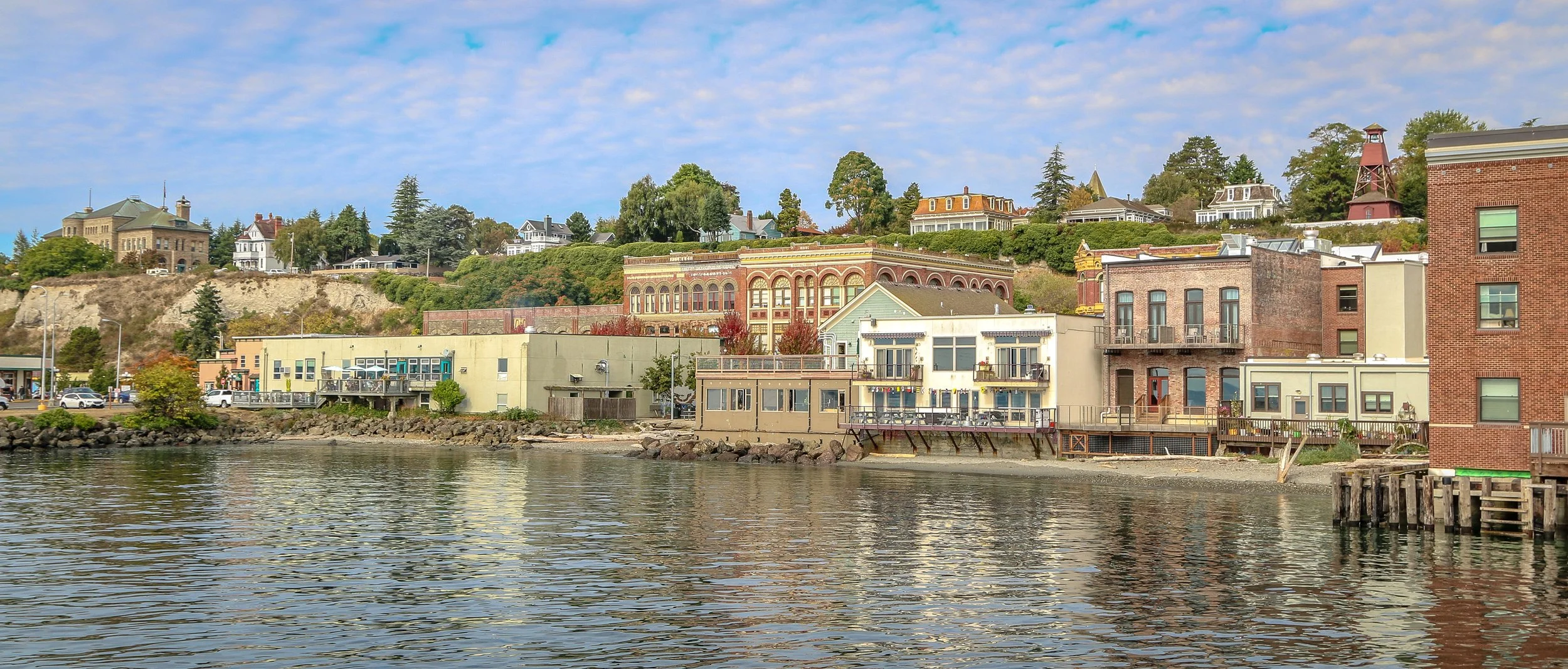
A Victorian waterfront town in a far-flung corner of America? You don’t have to tell me twice! Port Townsend is a magical place in the northeast corner of the Olympic Peninsula in the far north of Washington State. The bay on which the town sits was named “Port Townshend Bay” by George Vancouver way back in 1792. From the beginning it was recognized as a good, safe harbor and a town site was inevitable. Founded by Americans in 1851, it was the traditional homeland of no fewer than five American Indian bands. In the late 19th century, Port Townsend was called The City of Dreams and people imagined it would be the major port city to serve the Northwest United States. Grand buildings and homes were built in the Victorian style of the time and a magnificent county courthouse was erected to show the strength and stability of the town. Sadly an economic downturn caused the expected railroad links to stop far short of Port Townsend, choosing to end their cross country lines in Tacoma, Seattle and Tumwater instead. This was a huge blow to Port Townsend and one they would never really recover from. The construction of the U.S. Army base at Fort Worden around the turn of the century would keep the town afloat though and eventually people would recognize the beauty of Port Townsend. The town experienced a renewal of interest in the 1970s and many of the old buildings have been lovingly restored . Today it is a major tourism destination and has a busy ferry port as well. I really loved my stay in Port Townsend, especially exploring the downtown area and the fort (now a state park). I had a fantastic seafood feast at Sea J’s Café on the waterfront and the beers at Propolis Brewing were on a different level than most breweries. It’s a really cool town and one you should definitely put on your itinerary. Port Townsend is definitely the Crown Jewel of the Olympic Peninsula.
The area that is now Port Angeles was first occupied by the Klallam and Makah people who thrived with the abundance of natural resources the region provided. In 1774, Juan Perez sailed into the straight and in 1791 Francisco Eliza claimed the area for Spain and named it El Puerto de Nuestra Senora de Los Angeles which would later be anglicized and shortened to Port Angeles. White American settlers arrived in the area in the mid-19th century, and a man named Victor Smith came to town soon thereafter. Smith would have Port Angeles named the official U.S. Customs House and Port of Entry and convinced President Lincoln to support making the town a National Reserve. A lighthouse was built and the Army Corps of Engineers laid out a townsite. Since this made Port Angeles only the second federally planned city in the country after my hometown of Washington D.C. the town was dubbed the “Second National City". When Victor Smith died in 1865, the Port of Entry was moved back to Port Townsend and Port Angeles was all but abandoned. This changed in the 1880s when the railroad arrived and settlers soon chugged into town with it. Like so many other towns in the region, logging soon became Port Angeles’ main industry and the town even claimed the largest sawmill in the world for a bit. The natural deep water harbor has made Port Angeles a major port for both military and civilian ships over the years as well. Port Angeles is the site of the main visitor center for Olympic National Park and is also the hometown of NFL football legend John Elway.
I’ve been to Port Angeles a few times and I always get the same feeling when I’m there: it’s a town that keeps trying and I give it a lot of credit for that. The downtown area’s storefronts are full and there are several nice restaurants and bars to be found. There’s a great bookstore and a fantastic independent outdoor gear store. Port Angeles has supported a lot of cool public art displays and beautiful murals which really liven up the main downtown area. It’s also a great place to do some whale watching. I really like Port Angeles and I was happy to be able to spend some time there taking these photos. I hope you enjoy this little peak into the Olympic Peninsula’s City of Angels.
Hello Everyone! If you’re reading this post in my weekly newsletter, I apologize for not getting it out on Thursday this week, but I’ve been busy catching up with old friends in the greater Seattle area. Spending time with some familiar faces has definitely lifted my spirits and recharged my batteries a bit and I’m grateful to them for making time for me in their busy schedules. I have been enjoying their company so much that I went all week without even opening my computer. But it’s Thursday today and I hope to finish this up today and send it out by tomorrow. I doubt anyone out there sets their clock by my newsletter’s arrival, but if you are used to getting it on Thursday - surprise, it is Friday and the weekend is here. This last week brought me from Centralia through Tacoma and on up into the Kitsap Peninsula where I saw some cool navy boats and spent some time with the Suquamish people. Then I headed down to Bainbridge Island and hopped the ferry to Seattle, where I have been since. I’ve spent a fair bit of time in Seattle in my life, so most of my time here has just been catching up with people, but it has still been an excellent stay. Let me go ahead and jump into what I’ve been up to this week.
When I left you last week, I was on my way towards Tacoma from the old logging community of Centralia, WA. On the way I stopped off in tiny Tumwater for a quick visit to the Historical Park there. I’ve driven by this park for years and was glad I finally stopped in to check it out. The huge brick building visible from the highway is the old Olympia Brewery, now sadly in ruins and falling apart. This brewery was actually shut down by prohibition and the building was sold, so when Olympia restarted brewing beer in 1933 it was in a different building just up the road. The old brewmaster’s house is right up the hill from the old brewery and has been lovingly restored by the community. Just across the street is the old Crosby House which was once lived in by early Tumwater settler Nathaniel Crosby III who also happened to be the grandfather of performer Bing Crosby. Also in the park is the old Tumwater Falls and a very cool salmon ladder which helps the salmon on their upriver journey. It was absolutely packed with salmon during my visit which was cool to see.
From there I headed on into Tacoma and found a spot to park in the Theatre District…
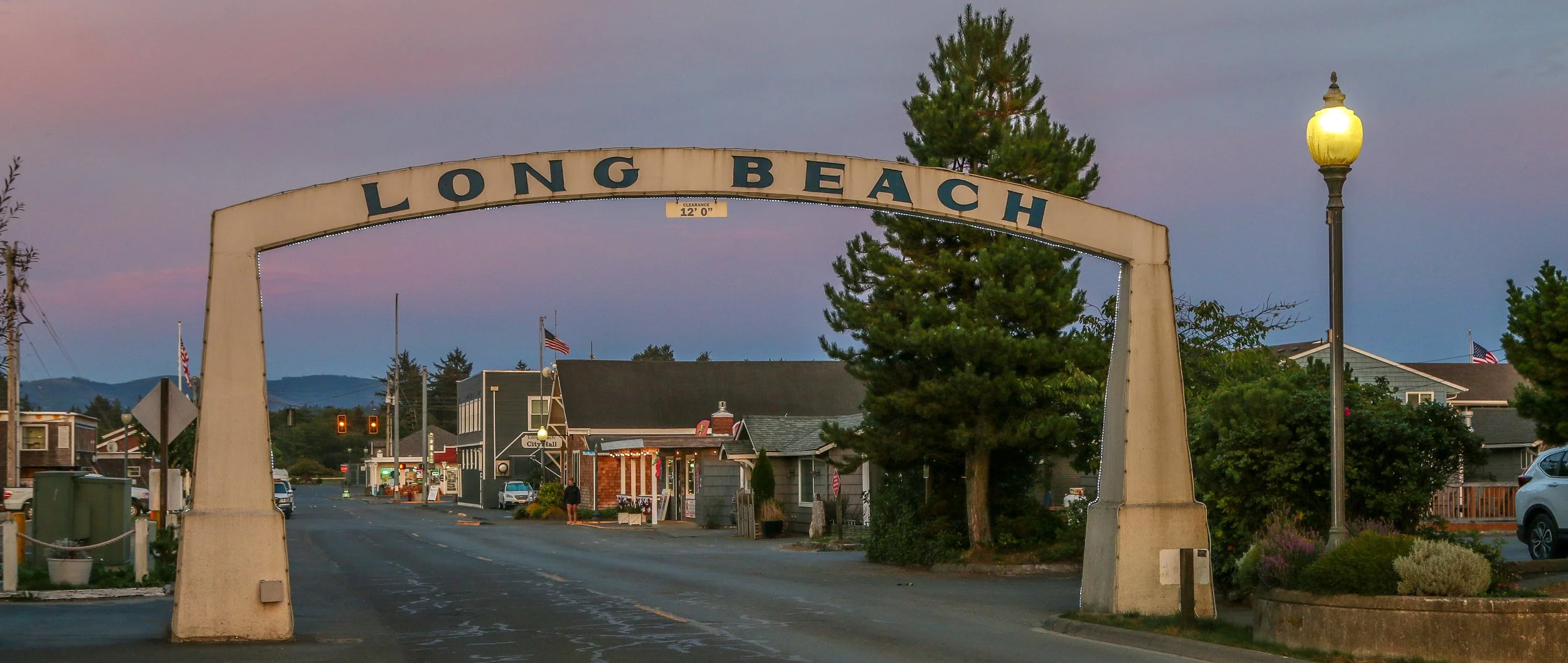
Long Beach, Washington is a wonderful little seaside town in the far southwest corner of the state. This area was originally home to Chinook Indians who later traded with European ships as they made their way up and down the coast. William Clark visited these beaches at the end of his Corps of Discovery’s overland voyage to the Pacific. White settlers started to arrive not long after the Civil War, originally coming to harvest the plentiful local oysters to ship to San Francisco. In the mid 1870s, steamships started bringing in tourists from nearby Portland and hotels and restaurants started to spring up. Long Beach has been a vacation destination ever since.
I absolutely loved my time in Long Beach. The beach itself is beautiful and the sunsets were magnificent. I really liked Dylan’s Cottage Bakery which is one of the best I’ve been to in a long time. I had a wonderful dinner at Castaways, drinks at the Long Beach Tavern and ice cream at Scoopers. The Marsh Free Museum is a wonderful old collection of oddities set around a modern souvenir shop. But mostly I loved the statues and public art, colorful buildings, hand-painted signs and the general laid back feel of the town. The attention to detail is amazing and even the parking signs and bike racks are adorable. I had a fantastic time in Long Beach and can’t wait to go back again. If you ever get the chance, you should definitely pop in. You may end up staying longer than you thought you would. I hope you enjoy these photos from beautiful Long Beach, Washington.
White Salmon is a cute little town up on the hill on the Washington side of the Columbia River Gorge. The area was historically Klickitat territory and was first settled by the Joslyn family in 1852. Cattle farming, timber, salmon fishing and wheat were the early industries in White Salmon, and later fruit farming and tourism would add to the economy. Today, the population rests right around 2500 people. It was the white salmon crosswalks that drew me in and the cute businesses and signs that kept me there. I wasn’t in White Salmon for long, but I really enjoyed my time there and I hope you enjoy this small handful of shots from the town ‘Where the Sun Meets the Rain”.
The Columbia River is the largest river in the Pacific Northwest, and also the most important. It has always served as a trade route from the interior to the coast from the time American Indians paddled their dugout canoes up and down the river to the tall ships of the fur trade to modern trade ships of today. It also has several major dams which provide much needed power to the region and the river also serves as the border between Washington State and Oregon. The incredible waterfalls on the Oregon side bring in tourists by the thousands, but the small towns of the Washington side are friendlier and more livable. It gets hot out there, and it got too hot for me to stay too long and I ended up cutting my visit a little bit shorter than I would have liked, but I still had a great time out there. I hope you enjoy these photos from the beautiful Columbia River Gorge…
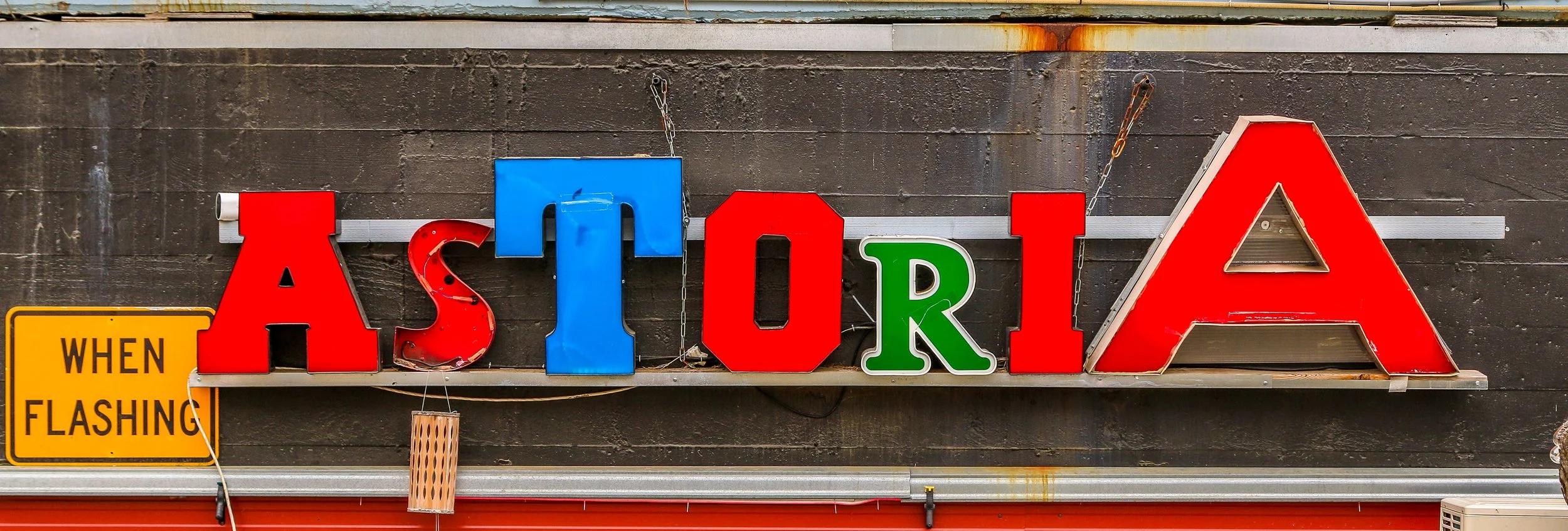
fell hard for Astoria during my stay in this classic Oregon town. I would say most people of my generation have seen the movie The Goonies, which is both set in and filmed in Astoria. It’s definitely one of my favorite childhood movies so I came here already having warm feelings towards the place, but it did not disappoint. There were surprises around every corner and even after a few days in town, I felt like there was still much more to be discovered.
Astoria was founded in 1811 at the mouth of the Columbia River just six years after Lewis and Clark cruised down the Columbia to the Pacific Ocean on their transcontinental adventure. That makes Astoria the oldest American city on the west coast. Originally Fort Astor, it was built by the American Fur Company to exploit the local fur resources of the region and named after the company’s founder John Jacob Astor. The fort would later be sold to Canada’s Northwest Fur Company and be renamed Fort George. The region would fall under joint American and British rule after the Treaty of 1818 but would eventually become a fully American town after the Oregon Treaty of 1846. With the decline in the fur trade, fishing would become the town’s major industry and the local canneries were humming 24 hours a day. The need for workers brought in many immigrants, notably from Scandinavia, China, Hawaii and the Punjab region of India. Fishing is still a major industry in Astoria today, but not like it once was. Tourism has played a big role in the local economy, and increased dramatically after The Goonies was released in 1985. Forty years later, there is still a steady parade of tourists making a pilgrimage up to see The Goondocks on the hill in Uppertown.
I loved all of the historic buildings, signs and businesses as I strolled the streets of Astoria. The history museum was wonderful and kept me occupied for several hours and the Flavel Mansion is a lovingly restored Victorian mansion and a real local treasure. Dead Man’s Isle tiki bar was a particular favorite while I was there, but I also really enjoyed the crowd at the Chart Room and Fort George Brewery. Blue Scorcher Bakery makes some delicious baked goods and definitely don’t miss the amazing tuna fish and chips at The Bowpicker which is cooked on an old boat and has a line whenever it’s open - it’s worth the wait. Astoria felt like a town that has a plan and works to implement it and the local identity is a strong one. It’s location near the coast and its proximity to Portland bring in a steady stream of tourists and keeps the town bustling throughout the year. This was my first time in Astoria, but it definitely won’t be my last. I hope you enjoy these photos from the amazing little city of Astoria.
Rockaway Beach is an adorable little beach town in Tillamook County on the Oregon Coast. A train from Portland brought visitors to this charming destination long before the coastal road was built and today a brightly painted caboose welcomes you to town. You can still ride the train as well, but only as far as Garibaldi on the Oregon Coast Scenic Railway. Rockaway Beach is also home to Pronto Pup, which claims to be the originator of the corn dog. The Twin Rock Arch is visible from anywhere on the beach and is quite a beautiful formation to see. I loved Rockaway Beach at first sight and ended up staying the whole day, soaking up some rays and enjoying the small-town charm of this great beach spot. It was such an easy place to pass the time, which I imagine is why it’s been such a beloved destination for as long as it has. If you’re ever traveling up or down the coast, be sure to carve out some time for a visit. I hope you enjoy these photos from my time in Rockaway Beach.