Viewing entries in
sites

D.C. Chronicles Volume 17

2 Comments

D.C. Chronicles Volume 17

Hello Everyone, well the dog days of summer are definitely in full effect here in Washington D.C. It’s been a while since I’ve been here in the middle of summer and I’m starting to remember why. With daytime temperatures nearing a hundred degrees and high humidity, it keeps me inside much of the day. I’m grateful to have an inside to be in during this pandemic, but I miss my outside life. I try and get up early and go for my morning walk and spend some time outside in the evening, but the heat of the day is pretty unbearable right now. But July is coming to a close and by this time next week August will be just over the horizon with fall hot on its heels. I’m looking forward to fall with its cooler temperatures and beautiful colors, and my camera and I are planning on taking full advantage of the foliage this year. But that’s getting ahead of myself and I’m still trying to make the most of the summer and my time here at home. I’ve been keeping up with my guitar and violin practice and they are bringing me joy and pleasure. I’ve been writing and actually making some progress on my book, although I’m still pushing through the first couple of weeks of the journey which were cold and painfully lonely, but also liberating and beautiful. And I’ve gotten out of the house this week despite the heat for a few good excursions.

This week I’ve had school reopening on my mind as the young man I’ve been tutoring this summer and his family are looking ahead at that issue. While the older I get, the more I realize I don’t know about many things, education is one of those things I’m still pretty comfortable discussing with some authority. While by no means an expert on the topic, I spent five years as a teacher, teaching in 12 different schools in 4 cities on 2 continents. I’ve taught 5 year olds and adults and I’ve taught in public, charter and private environments. As I look at school reopening, I wish it were being addressed everywhere in the old-school school-board setting (which thankfully it still is in many places). I think parents, teachers and community members all need their voices and concerns heard and their decisions respected. I’ve met very few teachers in my life who don’t want to teach and very few parents who didn’t want their kids in school or students who didn’t at least want to be at school. But these are extraordinary times with extraordinary consequences and as anyone who has ever seen how fast head-lice can spread in a school will tell you, things have a way of getting around in a school building pretty quick. I’ve seen some very well thought out plans, and the advice from the CDC on the topic is thorough and well-researched as well, but I also understand a host of reasons why you would want to keep your kids home until there is more known about this virus. I also sincerely hope that no school in the country will follow the model of so many towns reopening plans where people have just run out into the streets without distancing or masks under the delusion that none of this ever happened or was ever real to begin with. A school full of sick kids is a nightmare nobody wants. I will say here, and y’all know I don’t wade into politics here very much, but I truly wish the head of the Department of Education had any experience at all in public schools. I’m truly concerned for our nation’s children and I hope that each community will make these difficult decisions based on science, fact and input from those parties with the most at stake.

Also this week I enjoyed watching Chris Wallace interview the president. I’m not going to get into that interview, but I really like Chris Wallace, and knew him quite well many years ago. His son, Peter, was in my Boy Scout troop and was a friend of mine (and still is, though I haven’t seen him in years) so Mr. Wallace was around for many of our events and activities. Of course he was just a local newscaster back then, but he was well respected and seemed like a good guy. It makes me smile when I see him on national TV and I remember he always liked my peach cobbler when I made it on camping trips.

Anyways, enough of my rambling, I have done some cool things this week and am happy to share those with you here. Because we didn’t travel last Tuesday, we took a bit of a ramble on Thursday instead. We set off to explore the city a little bit and see the small handful of houses in Washington D.C. that were built around or before 1800. It was a fun jaunt around the city which took us to some cool neighborhoods we don’t get to a lot. I hope to publish the photos from that tour here this weekend. It was fun, and nice to drive around the city with a mission.
2 Comments

Snapshots: Hollywood Cemetery, Richmond, VA

Comment

Snapshots: Hollywood Cemetery, Richmond, VA

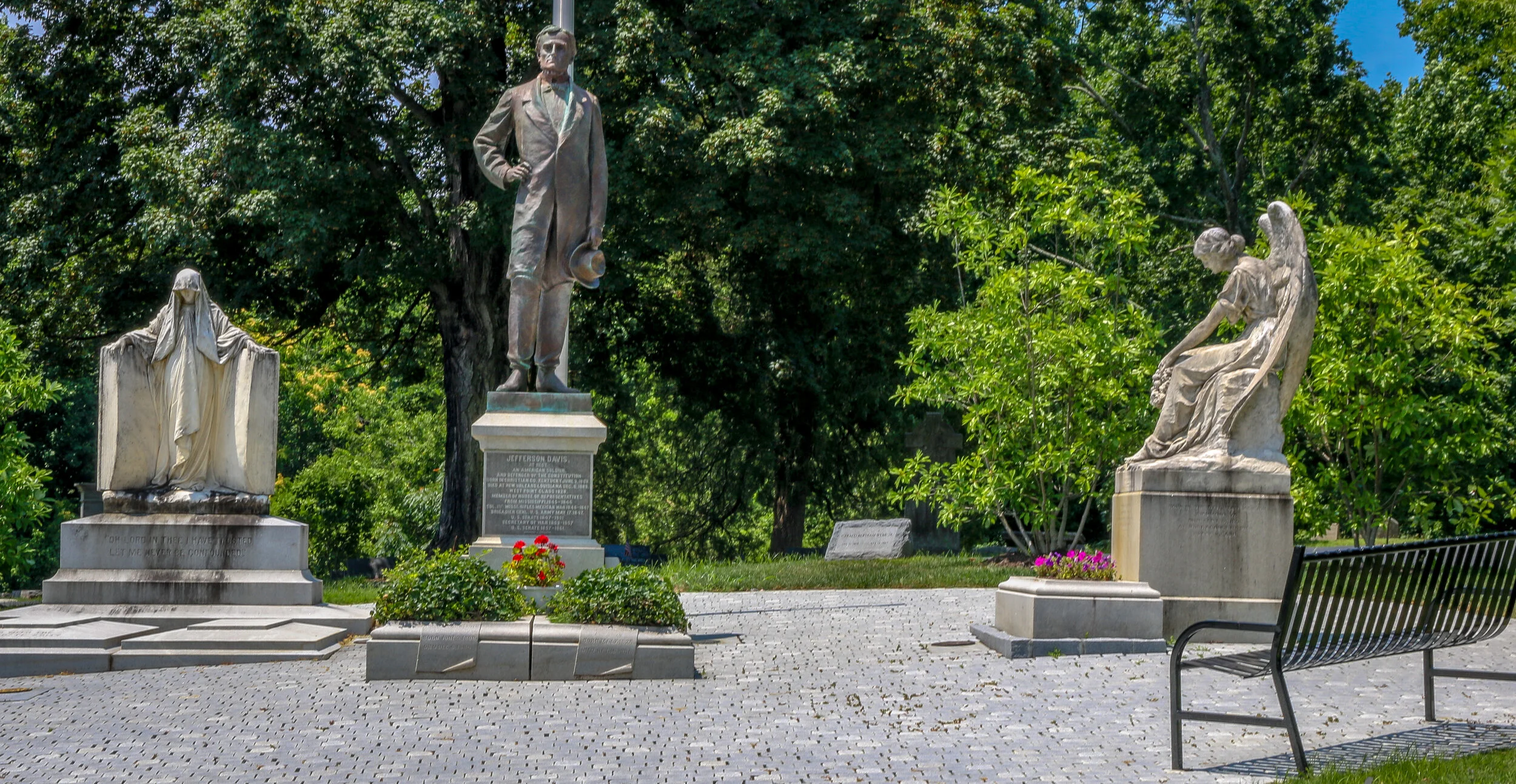
Hollywood Cemetery is a beautiful, sprawling old cemetery overlooking the James River just west of downtown Richmond. Established in 1849, Hollywood Cemetery is the final resting place of two U.S. Presidents, James Monroe and John Tyler, and Jefferson Davis, the only President of the Confederacy. Also buried at Hollywood are 28 Confederate Generals including JEB Stuart and George Pickett as well as a considerable number of Confederate soldiers, both known and unknown. The Monument of Confederate War Dead is found there as well in the form of a 90 foot pyramid dedicated in 1869.

We enjoyed our visit to Hollywood Cemetery and spent several hours there. It has quite a history and some beautiful examples of funerary art. The President’s Circle includes the two presidents mentioned above and local celebrity burials as well. The south side of the cemetery offers beautiful views of the James River and Downtown Richmond. We used the Girl Scout Self-Guided Tour Pamphlet (found HERE) to help us find our way around. It can be tricky, but it’s not big enough to get really lost. I hope you enjoy these photos from Hollywood Cemetery.

Comment

Civil War Chronicles: Manassas/Bull Run

Comment

Civil War Chronicles: Manassas/Bull Run

On July 21st, 1861 the first major battle of the American Civil War took place near the town of Manassas, Virginia and just west of a meandering creek called Bull Run. The battle was supposed to be a quick and decisive one, and many congressmen and socialites rode out from Washington with picnic baskets to watch it unfold. 10 hours after the battle began, 900 young men lay dead on the battlefield and the bloodiest war in American history began in earnest. This first Battle of Bull Run at Manassas was also where General Thomas J. Jackson earned his nickname as General Barnard Bee commented to his men “There stands Jackson like a stone wall! Rally behind the Virginians”. By the end of the day, the Southerners had sent the Federals running back to Washington and won a major victory for the Confederacy.

Just over a year later, the two armies clashed once again near this critical rail junction just 25 miles from Washington D.C. For three days in August, the Battle of Second Bull Run at Manassas raged violently across the landscape. When the smoke cleared, 3,300 soldiers lay dead and the South once again claimed victory. General Robert E. Lee, now in charge of the South’s Army of the Potomac, knew that their breadbasket in Northern Virginia was running low, so he pushed the war across the Potomac River and into the North for the first time. The tides would turn at the battle of Antietam at Sharpsburg, Maryland. To learn about this next chapter in the war, check back for my next installment of the Civil War Chronicles, coming soon.

The photos below come from a cloudy visit to the Manassas National Battlefield, the site of two important battles from the American Civil War. Civil War

Comment

1000 Words: Second Chances and New Beginnings Along Alaska's Nabesna Road

Comment

1000 Words: Second Chances and New Beginnings Along Alaska's Nabesna Road

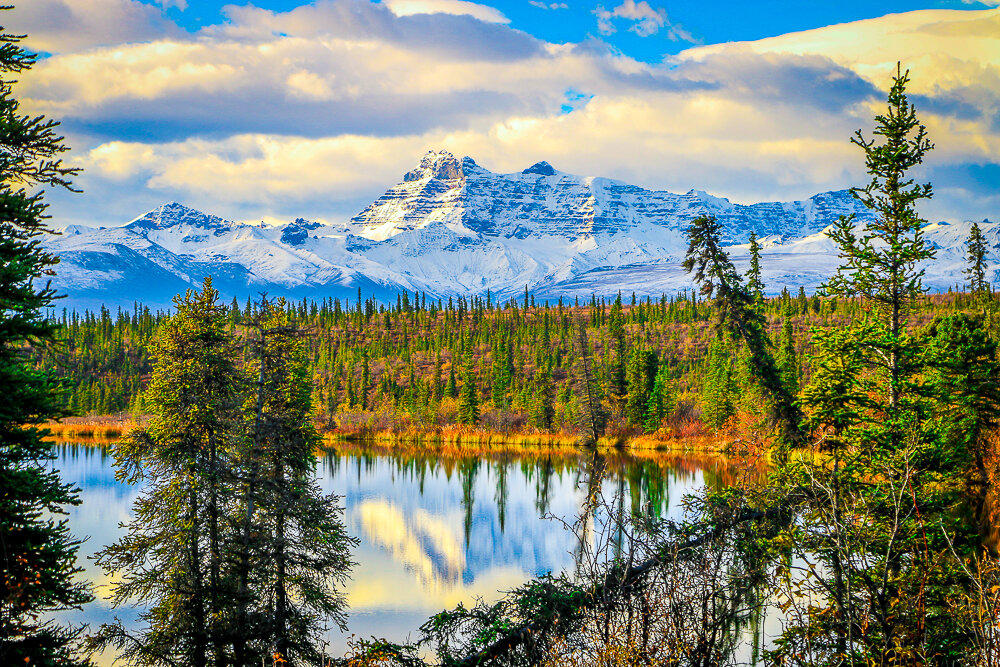
They say a picture is worth a thousand words. In this series I’ve chosen one picture per post which brings out strong memories for me and has a story attached to it. This story is about a beautiful morning along the Nabesna Road in Wrangell-St. Elias National Park, my last morning in Alaska.

It all started with a cigarette.

I haven’t been a regular smoker for many years, but sometimes when I had worked a long season guiding tours and the days were turning cooler as summer turned to fall, I’ve been known to pick up a pack. Usually before that pack is finished I’ll remember why I quit, but those first couple remind me why I started to begin with. And so it was that on a sunny afternoon in early fall I found myself smoking a cigarette outside of my hotel a few miles from LAX International Airport.

This was a hotel we used for our staff during turnarounds between tours in L.A, and there were a few other of our vans than mine in the parking lot that day. A fellow tour leader who I didn’t know had seen me get out of my van, so she came over and introduced herself. We made small talk about what trips we were doing and what else we were up to with a few days off in L.A. and she told me she was filling out an application to return to Alaska to work the following summer. In the company I work for, Alaska is like the Promised Land, it’s somewhere everyone seems to want to go spend the summer, but in the old days it was somewhere you only got to go once. One season in the great north land, and that was it. More recently, she told me, we had started running some high-end tours and they needed some experienced leaders to run them so the application process was open to everyone. We chatted some more, and it got me thinking…

Comment

D.C. Quarantine Quarters: Chevy Chase

14 Comments

D.C. Quarantine Quarters: Chevy Chase

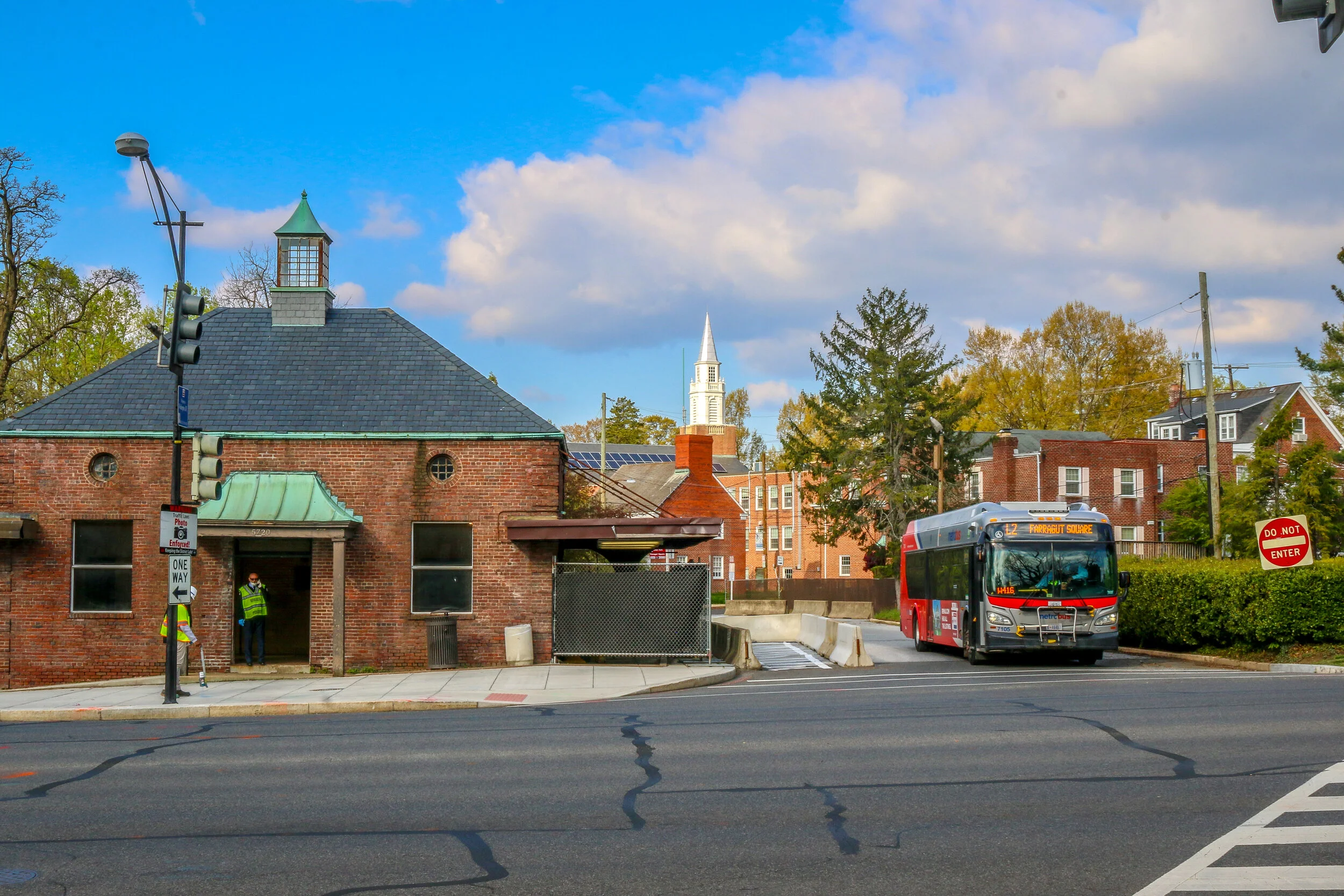
Chevy Chase dates back all the way to 1725, when Col. Joseph Belt was granted 1000 acres by Lord Baltimore, the first proprietor of the Colony of Maryland. Col. Belt, who had commanded the Prince George’s County Militia in the French and Indian War, named his new farm Cheivy Chase after an area in Northern England. A portion of the land was bought up for development in the late 1800s, and lots began to sell when a streetcar line connected the neighborhood to downtown Washington. Many of the houses in Chevy Chase were bought straight from a Sears and Roebuck catalog and remain standing today. Much of the architecture in the area is in the humble Bungalow, Foursquare and Dutch Colonial styles, but many of my favorites are in the less well represented Tudor revival style. Some of the key landmarks of the community are Magruder’s Market which opened in 1875, the 1923 Avalon Theater and the far newer Chevy Chase Library and Community Center. Chevy Chase is my home neighborhood, and I have wonderful memories from my childhood of movies at the Avalon, art and gymnastics classes at the community center, going to the old Riggs Bank with my grandmother and for ice cream at the long-gone Baskin Robbins. I often take my morning walk up Connecticut Avenue, the central road of the neighborhood, and reminisce about times gone by and five generations of my family who have wandered these streets. It made my heart feel good to go out and shoot these photos of my home neighborhood.

14 Comments

Snapshots: South Texas - Desert, Beaches and Battlefields

Comment

Snapshots: South Texas - Desert, Beaches and Battlefields

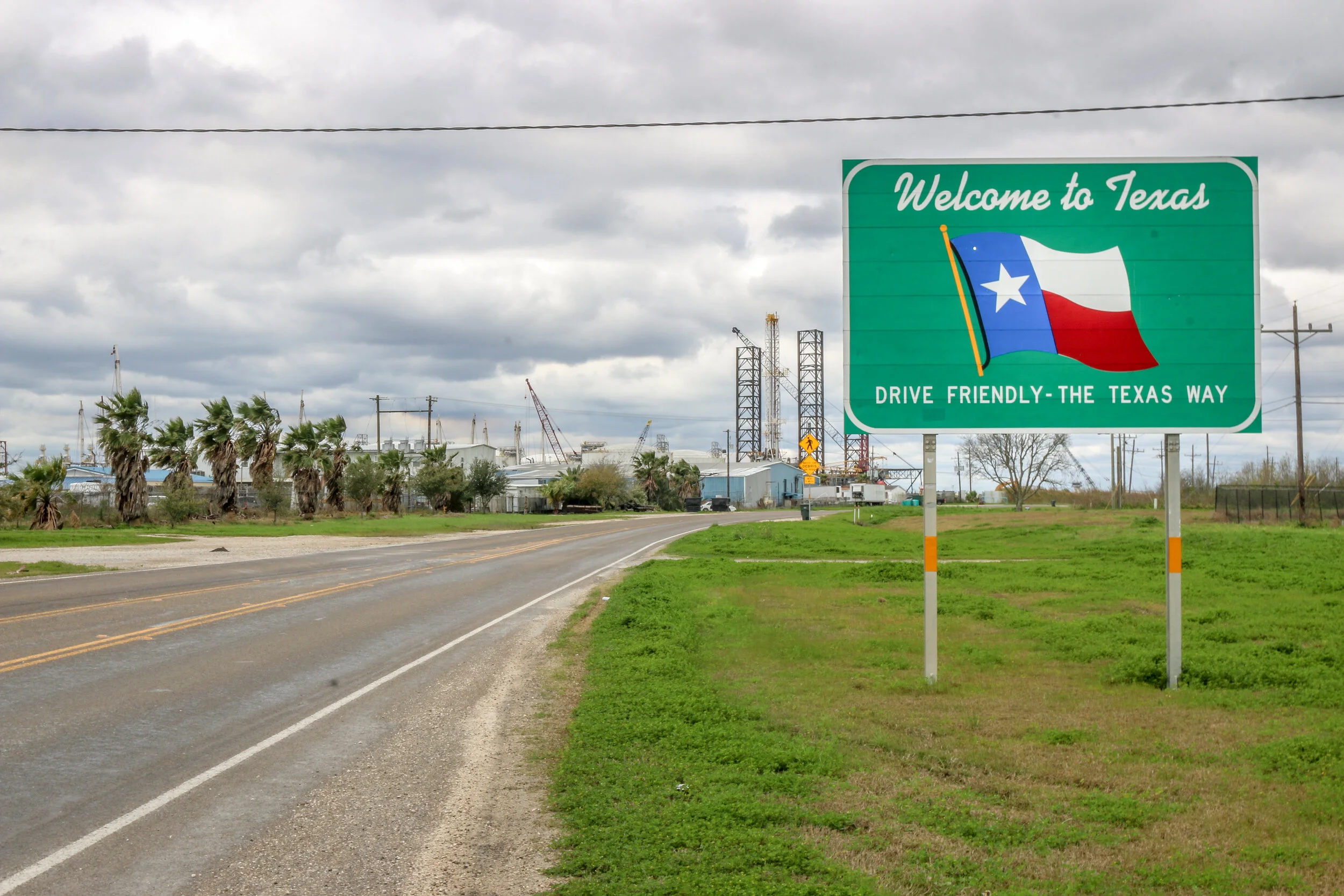
South Texas was the end of the road for me on this leg of my journey. I set out to make it across the country to the Pacific Ocean and back over the next 16 months or so, but the coronavirus put an end to all of that. When things started going from bad to worse further north, I made my way all the way south to South Padre Island and Port Isabel, stopping off at Palo Alto National Historical Park along the way. The battlefield was awesome to see and I had it almost entirely to myself. I learned a lot about the first battle of the Mexican-American War, and the two future presidents (Ulysses S. Grant and Zachary Taylor) who fought in it. The prickly pears were just starting to bloom, and the day was just on the verge of being too hot to be out in the sun. It was a beautiful and fascinating place. From there I headed to the coast and hunkered down for almost a week. While everything was pretty much shut down, I enjoyed the beach, sand art, peace and quiet and beautiful sunsets on the bay. When Shelter-In-Place orders came down for the beach communities, I knew it was time for me to head home, making this the end of the road for now. I was glad I saw it and had the chance to spend some time in this tiny, far out corner of America.

Comment

Snapshots: Hope in Corpus Christi's Marina Arts District

Comment

Snapshots: Hope in Corpus Christi's Marina Arts District

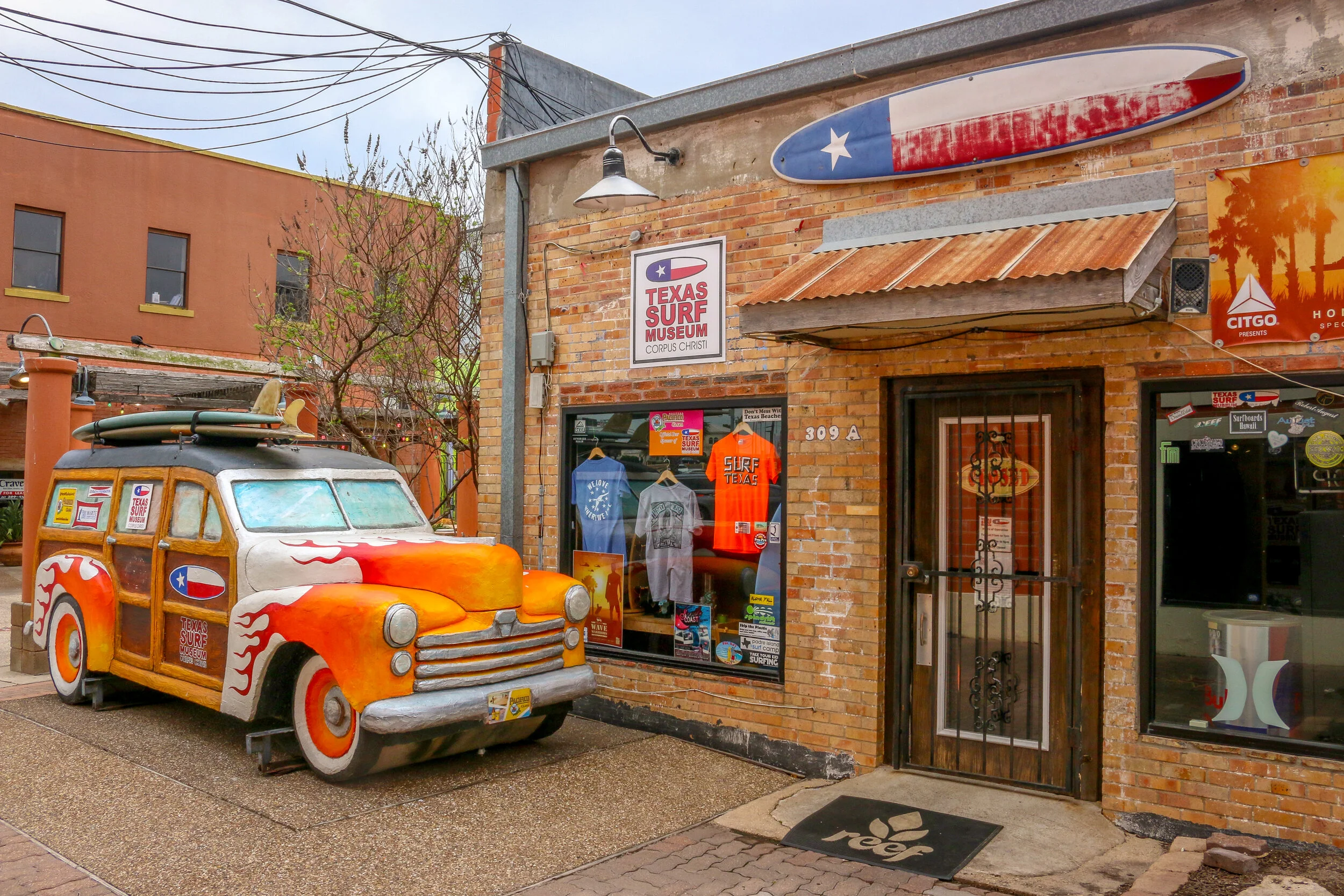
Corpus Christi’s Marina Arts District is a wonderful story of urban renewal and public art. When Terry Sweeny moved to Corpus Christi in 2014, he found a city, like so many others, which had sold its soul to suburban sprawl. He also saw an area with tons of potential and set about trying to revitalize downtown. He joined forces with Brad Lomax, who had been working on revitalizing downtown Corpus Christi for years, and a dedicated group of like-minded citizens. The result is staggering. The colorful murals and public art projects make downtown look clean, sharp and vibrant. If you look closely enough, you’ll see that there are still plenty of empty storefronts looking for an opportunity to be resurrected, but they are hard to spot as your eyes are constantly drawn elsewhere. My favorite part is the wonderful seawall walk overlooking the marina on one side, and the Arts District on the other.

I enjoyed my time in the Marina Arts District even though I was there right as everything was closing up shop for a while due to the coronavirus. As I wandered around taking these photos, I heard wonderful music echoing up and down the empty streets. When I finally found where it was coming from, I sat for a few minutes to listen to the performance of a wonderful street musician in front of the shuttered Executive Surf Club. I needed a few songs in my day to blow thoughts of the virus away, and he gave me hope with his music. And hope is a wonderful thing. It is, in fact, the only thing more powerful than fear. I know I’ll be back in Corpus Christi at some point when all of this has blown over. I’m looking forward to it already.

Comment

Snapshots: Goliad - A Town to Remember

Comment

Snapshots: Goliad - A Town to Remember

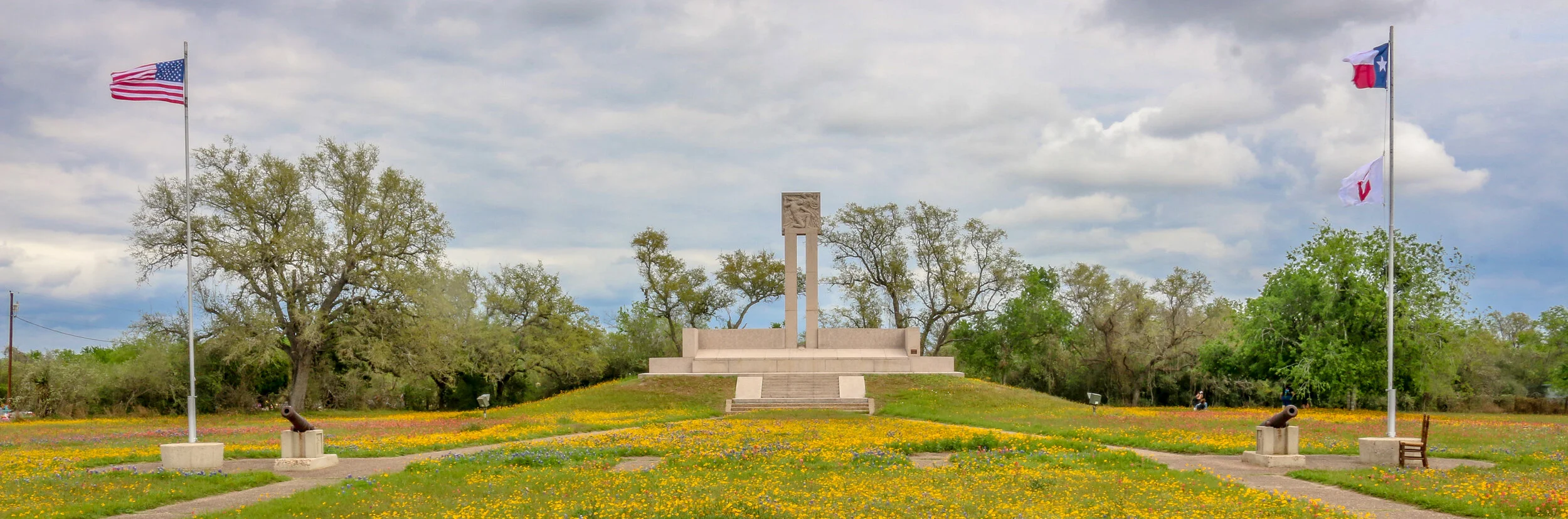
Like many towns in America with Spanish Colonial roots, Goliad started out as a presidio (fort) and mission, both located on the San Antonio River. Presidio La Bahia and Mission Nuestra Señora del Espíritu Santo de Zúñiga had originally been located elsewhere, but were moved to their current location in 1749. One of the first schools in Texas was founded nearby in 1804. During the Mexican War for Independence, the presidio was a strategic target and changed hands between the Spanish loyalists and Mexican rebels several times. In 1829 La Bahia, the village which had grown up near the fort, changed its name to Goliad, an anagram of the name Hidalgo (minus the “H”) in honor of Father Miguel Hidalgo, a hero of the Mexican Revolution.

In the opening days of the Texas Revolution, American mercenaries captured the fort and held it for six months. It was within the fort’s walls that the first Texas Declaration of Independence was signed. In March of 1836, the American garrison, under the command of Colonel James Fannin, was defeated at the nearby Battle of Coleto. Under the agreement that they would be treated as prisoners of war, they surrendered and were marched back to the fort. A week later, on Palm Sunday, under the orders of Mexican President Antonio Lopez de Santa Anna, 342 of these men, including James Fannin, were marched out of the fort and executed. Just over three weeks after the massacre, at the decisive battle at San Jacinto, Sam Houston rallied his troops with cries of “Remember the Alamo, Remember Goliad” as he led his rebel army on to victory and Texas independence…

Comment

This Week on the Road - March 12th-19th

2 Comments

This Week on the Road - March 12th-19th

Hello Friends, boy what a difference a week makes, huh? Last week at this time things were very different than they are now. While the coronavirus was definitely making news a week ago, over the course of this week whole countries have been shut down. American travel restrictions have gone into place and cities have started to shut down non-essential businesses. Grocery shelves are bare across the country and while panic hasn’t set in yet, at least here in Texas, some of the big cities on the coasts are on high alert. New phrases like “social distancing” and “self-quarantine” have entered our lexicons, and people are, and should be worried. To read about my plans and what life has been like this week and also to get an understanding of the importance of some of the public buildings I use on a regular basis, please be sure you read my post on the coronavirus HERE. I was also sad this week to see that the Trace Theater in Port Gibson, Mississippi, which I had photographed just a few weeks ago, had caught fire and burned out pretty badly. In addition, it was the 9 year anniversary of the tsunami which rocked Japan and started the Fukushima mess - another tragedy I lived through as I was teaching in rural southern Japan at the time. It’s been a tough week out here. I decided to finally finish watching Treme, the HBO show about the rebuilding of New Orleans after Katrina, something else I was a part of for two years, and it reminded me that this too shall pass and soon this will just be a memory.

Very soon after I hit “Publish” on last week’s This Week on the Road post, my friend Christian called to tell me the Houston Rodeo had been cancelled for the rest of its run over concerns regarding the coronavirus. I’ll admit I was pretty disappointed because I was looking forward to it, but it seems now like it was for the best. There will be other rodeos in the future, and better safe than sorry in a case like this.

When I found out about the rodeo, I decided to pack up and head out of town. I made my way south to Galveston Island on the Gulf Coast. I had spent some time in Galveston before, but many years ago. It’s a beautiful place with an old, historic city on the bay side and a decent beach on the gulf side

2 Comments

Snapshots: Galveston - The Queen City of the Gulf

Comment

Snapshots: Galveston - The Queen City of the Gulf

What exactly is Galveston? Is it a typically Southern town? An island with a beach vibe? An historic port city like New Orleans? A Texan town? The answer to all of those is “yes”. Galveston is a fascinating place with so much to offer. Even after a few days there I felt like I had only begun to scratch the surface of the Queen City of the Gulf.

The first non-natives to inhabit Galveston came in 1816 with the pirate Louis-Michel Aury. When Aury went on a raid the following year, he returned to find that the island had been occupied by the infamous pirate Jean Lafitte. Lafitte set up a “Pirate Kingdom” there and remained with his people for the next 5 years. The Port of Galveston was established under the Mexican government in 1825, and the town would serve briefly as the capital of the Independent Republic of Texas in 1836. Galveston, along with the rest of Texas, joined the Confederacy during the Civil War and became a target due to its major port…

Comment

Snapshots: Beaumont - Shining Star of the Golden Triangle

22 Comments

Snapshots: Beaumont - Shining Star of the Golden Triangle

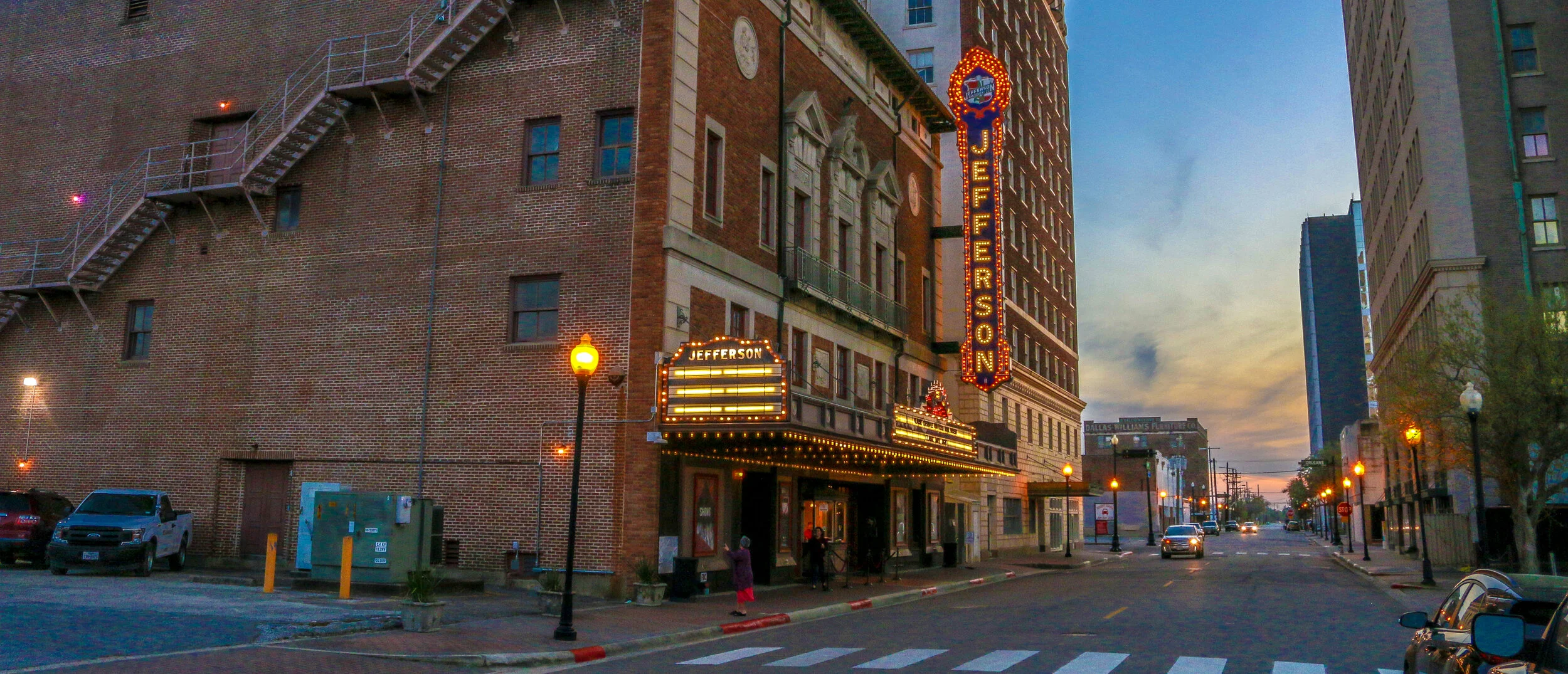
Beaumont, Texas traces its roots back to 1824 when Bobby and Nancy Tevis settled on the Neches River and built a small farm. A community grew up around them called Tevis Bluff. Developers Henry Millard, Joseph Pulsifer and Thomas Byers Huling purchased all of the land in the area in 1835 and began selling lots in a town to be called “Beaumont” after Henry Millard’s wife Mary Beaumont. Lumber, cattle and rice were early drivers of the local economy, as was the port which got these products to market. That all changed in 1901 when oil was discovered at Spindletop, and America’s first oil field was developed right there in Beaumont. The town’s population tripled almost overnight and oil has been the city’s main economic driver ever since. Today, Beaumont is a quiet city of about 120,000 people, with most living outside of the downtown core. I found the city to be charming, with a lot of great historical buildings. My favorites were the Jefferson Theater and Tyrell Historical Library. I was sad to see that despite some wonderful efforts at reviving the downtown area there didn’t seem to be much going on there during my visit. Regardless, I enjoyed my stay in Beaumont and it is definitely a city I will return to in the future.

22 Comments

This Week on the Road - March 5th-12th

2 Comments

This Week on the Road - March 5th-12th

Hello everyone, I hope y’all are having a nice week out there wherever you are. March is upon us and I’m loving the warmer weather and longer days. Flowers are popping up, the clouds are clearing and spring is definitely in the air here in Texas. This week has brought me through some fascinating parts of East Texas as I begin my exploration of the Lone Star State.

After I signed off last week, I did indeed make my way out to Rutherford Beach in far southwest Louisiana. It’s not a beautiful beach, but the waves are nice to listen to, it’s quiet and nobody bothers you out there. The camping is free and you can stay as long as you want. I’ve been there before and was really looking forward to a day on the beach to relax, read, plan and give Shadow Catcher a good cleaning. It was definitely a wonderful place to be for a couple of nights and I left feeling refreshed and ready to go. Rutherford Beach is also as far west as this journey has taken me so far so it was a good place to sit and reflect back on the last couple of years and prepare to set off in a new direction: west to the Pacific.

2 Comments