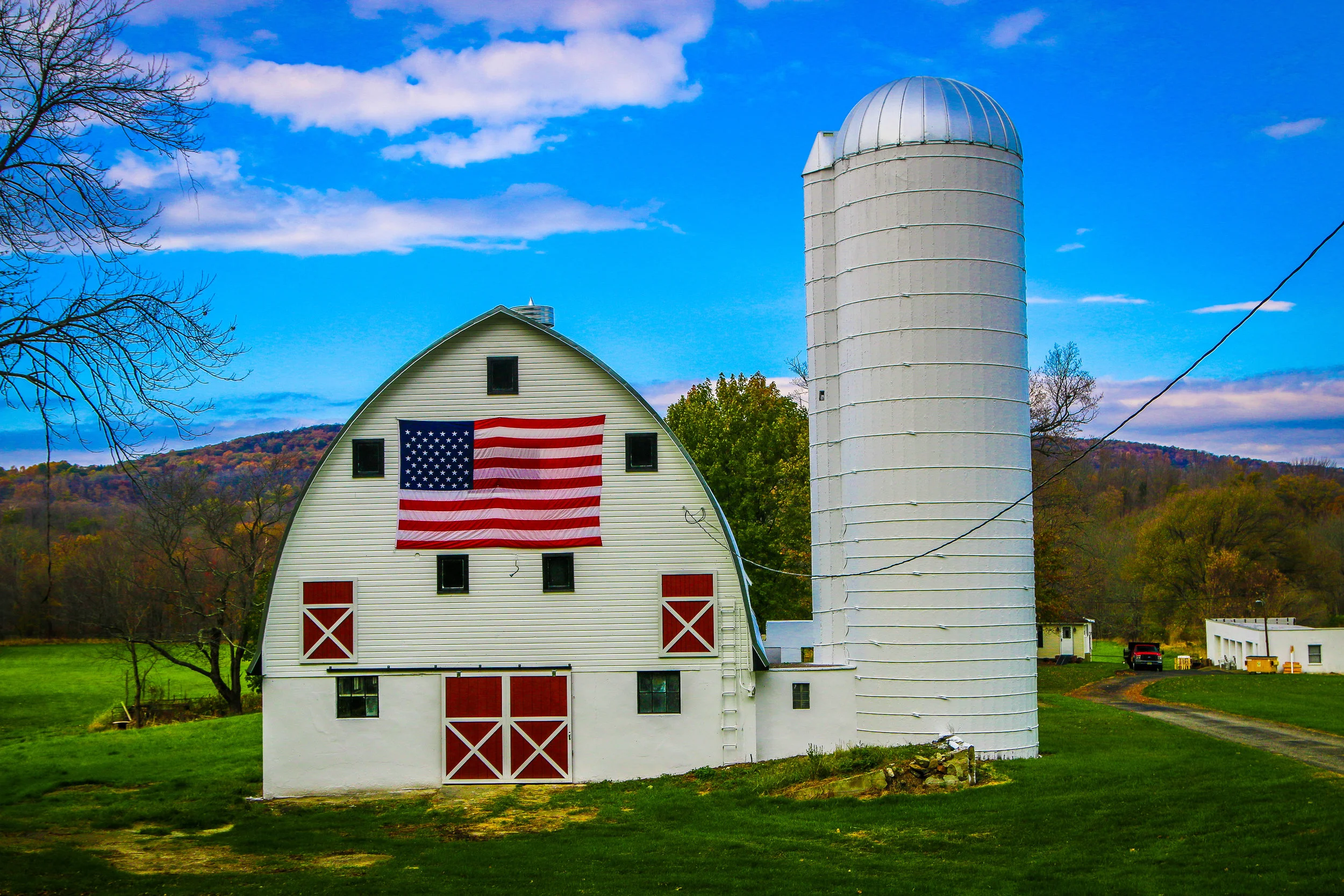
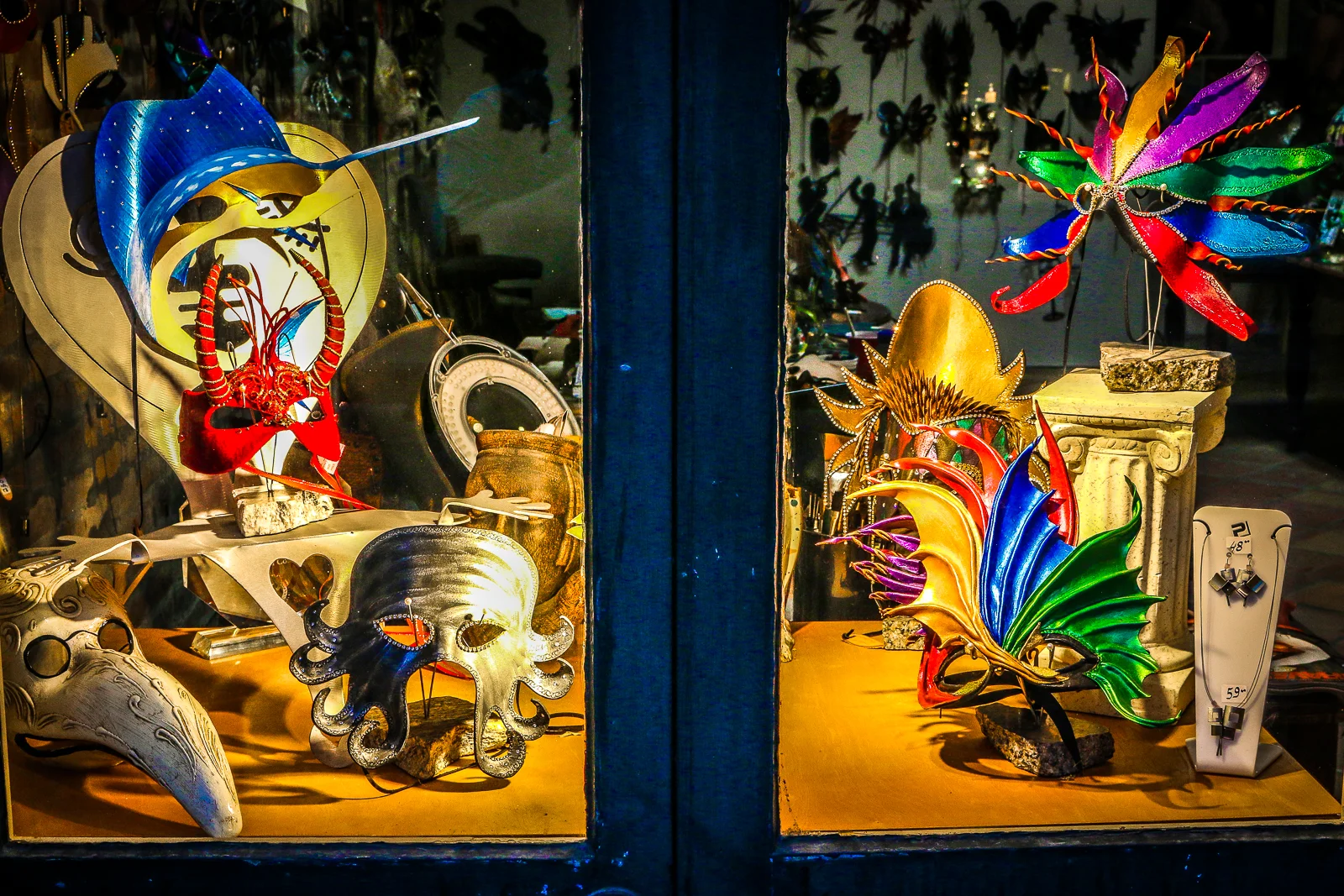
Hello everyone, and thank you for stopping by. The flowers are coming in nicely here in East Louisana, but the weather has cooled off significantly as well. I’ve been enjoying the little cold snap though, and sleeping really well cozy-ed up in the back of my van. I had an interesting stop in Alexandria this week, a town which has definitely seen better days, but which isn’t dead yet. From there I headed back into Cajun Country for the weekend, enjoying great food, drink, music and company. I stopped off in Lafayette to get some work done and have cruised across the north of the eastern panhandle to the North Shore where I am writing to you from today. It’s been a fun week as I start to make my preparations for my departure from Louisiana. It’s always sad to go, but it’s almost time I moved on. HERE is the link to this week’s map if you like to follow along as I go.
When I left you last week, I made my way south along the Mississippi River levee, and found the river is really high. It was definitely higher than the road in a lot of places, and while the levee was doing what it was built to do, it’s still a little bit nerve racking to be driving below the water line. I stopped in a few places to just look out at the river as it flowed past. I made the turn northwest when I hit Louisiana Route 1 and headed on to Mansura for a stop at Juneau’s Cajun Meat Market. This is a spot recommended by a friend as having the best boudin (Cajun pork and rice sausage) in Louisiana, so I had to stop in and give it a go. This was a real butcher shop with all kinds of beautiful fresh meat on display - if I had a proper refrigerator I would have probably spent a fortune there. Unfortunately, I don’t, so I settled for some boudin, a fried boudin ball, and a boudin and pepperjack cheese wrap. All three were amazing and while they didn’t help my cholesterol, they were well worth the stop.
I had no expectations when I pulled into downtown Monroe, Louisiana last week. I had really never heard anything about it, good or bad. It was the biggest town in northeast Louisiana, but that was about the extent of my knowledge as I headed into town. Sometimes it is great when you go into a place blind, because you can see it completely unhindered by preconceived notions of what it should look like. I was impressed the moment I hit downtown by the beautiful classically industrial architecture and the lovely riverfront park and bridge. It helped that it was a gorgeous evening, but my camera and I were kept busy for hours as I wandered the streets, with amazing shots around every corner. I really had a great time taking these photos, even though it was really quiet as I wandered the streets. At one point, I was taking a photo on a street corner and a police car was stopped at the light. The officer rolled down his window and said something along the lines of “just taking photos of beautiful downtown Monroe?”. I replied “yes, I am” to which he just laughed and laughed. The light turned green, and I could still hear him laughing as he drove off into the evening. I wish I had called after him and given him my card so he could see these photos. Maybe it takes an outsider to see the real beauty in a place, and maybe that’s what makes me the right person to shoot these kinds of photos. I know he found it hilarious, but I loved my short stay in Monroe. It is truly a diamond in the rough of northeastern Louisiana.
Hello everyone, it’s time for my weekly look back at the places I’ve visited over the last few days and what I’ve learned along the way. Welcome to all of my new subscribers who have come on board this week, it’s great to have you along for the ride. If you're seeing this in my newsletter in your inbox, click through on any of the stories you see to check out my photos and read the whole story on my website. Again, thank you and welcome. To all of my loyal readers, welcome back for another installment, it is always great to see you here and always appreciated when you stop by. This week’s newsletter is a little longer than usual because last week’s didn’t go out. It’s automated, so it should have, but it just didn’t. My apologies for it not coming last week, but that means you get a double dose this week! Also for those who like a map to follow along with or find anything of importance in this post, click the link HERE.
It’s been another great week out here on the road. The wisteria is in bloom which always makes me smile and always tells me spring has arrived. All kinds of flowers are starting to bloom everywhere in Louisiana, and the real spring festival season has arrived. Fun, excitement, and pollen are all in the air. This week, I left lovely Natchitoches and made my way slowly up to Shreveport for a weekend of festivals and good times. From there, I made my way all the way across northern Louisiana to the Mississippi River and south to the town of Tallulah where I am writing this from today…
These photos come from the Creole plantations located along the Cane River in northeastern Louisiana. Even reading that sentence back makes me smile as it sounds as remarkably Southern as it is. The word “Creole” is a complicated one, as it has evolved over time. Technically it means something which comes from the new world but with old world roots. People born in Louisiana of Spanish and French decent were referred to as “Creoles”. The word also encompassed architecture and food born in the region but using traditional knowledge. Today, it tends to mean people of mixed heritage including those of European, African and Native American descent. Regardless, these early settlers to the region began mostly as subsistence farmers and over time grew into large plantation owners. As cotton became king in the south, many of these plantations got on board, purchasing hundreds of enslaved people to do their manual labor. The plantations grew and thrived. After the Civil War and the the 13th Amendment to the Constitution freed the slaves, many stayed on as sharecroppers and tenant farmers, as the plantation and cotton were the only things they had ever known. Some of these plantations remained in business into my lifetime owned and worked by generation after generation of people from the same families.
The first photos in this collection come from the Magnolia Plantation, a part of Cane River Creole National Historical Park. Once owned by the LeComte Family, this large plantation was worked by 275 enslaved people in its heyday. While the Big House is still owned by the family and is closed to visitation, the overseer’s house, plantation store, blacksmith shop, cotton gin building and slave cabins are all open to the public as part of the park. I especially enjoyed learning about the “pigeonnier”, a pigeon coup in which their droppings were used as fertilizer and baby pigeons were sometimes eaten as a delicacy. Today only 8 of the original 71 slave cabins remain, but were occupied by plantation workers until 1970. This plantation is fascinating to wander around and learn about the people who lived there…
Happy Spring from Natchitoches, Louisiana. I’m writing this on the 20th, so it is officially spring, and it feels like it here in the South. Flowers are blooming, the sun is shining, and with the longer days, it is a great time to be outside. I’ve been trying to make some headway this week, traveling to the far southwest of Louisiana and then up the west side of the state. It’s been a great week of beaches, plantations and really cool small towns. I’ve had some great Creole food and met some wonderful people. It has been another amazing week on the road in America.
After I wrote last week’s post, I had a quiet night in New Iberia, but ventured downtown in the morning to see what I could see. I was really glad I did. The downtown area is in the midst of a comeback with many of the storefronts occupied and it had a great vibe to it. It’s a cute little area, and I hope they keep working on bringing it back. I started my day with a visit to the wonderful Bayou Teche Museum right in the heart of downtown. The museum focused on the bayou which runs through the middle of New Iberia and connects points further north to the Atchfalaya River. It was a major thoroughfare in early Louisiana and was the impetus for the settlement of the area. At this point, I’ve been in a lot of small town museums, and this one was particularly well done. There were enough artifacts to be thorough but not cluttered, and enough interactivity to keep from being boring. I really enjoyed learning more about the rural jazz of the region and the ride down the “elevator” into the salt mine made me smile. There was an excellent film on the history of the region as well. The ladies working there were wonderful and happy to talk about their town…
There are a LOT of photos in this post. Mardi Gras parades in Louisiana are some of the most vivid, colorful, vibrant, sensory overloading events in the whole world. The colors, the costumes, the floats, the music and the excitement are all overwhelming. They are joyful and happy events marking the biggest celebration of the year in the state. Photographing them is a true joy, and all of these photos make me extremely happy. In these photos I want to show you the floats, the riders, the spectators, the bands and walking groups that make up the Mardi Gras parades. There are also a few of my favorite kind of Mardi Gras shot - trying to capture beads in mid-air between thrower and catcher. There are six parades featured in this post. The first is the Krewe of Slidellians from Slidell, Louisiana. The following night parade is from the Krewe of Rio in Lafayette. The next daytime parades were the Krewe of Carrolton followed by the Krewe of King Arthur on the same day taken from Lee Circle in New Orleans. There are two photos from the Krewe of Nyx nighttime parade in New Orleans, and finally are a few from the huge Spanish Town parade in Baton Rouge, the pinkest event I’ve ever witnessed. I know there are probably too many photos for one post here, but it was hard to cut it down to just the ones I included. I hope you enjoy them and I hope you can feel the excitement and happiness I tried to capture here. More than anything, I hope they make you smile.
It’s been a pretty local but wonderful week here in Louisiana. My folks were here most of the week, so we’ve been out exploring together. It was wonderful to spend some time with them, but they sure did wear me out! While most of our time was spent in New Orleans, we did get out into Acadiana (Cajun Country) for two great nights as well.
It is always great to be back in New Orleans. I lived here for two full years from 2007-2009, trying to help the city recover from Hurricane Katrina. I taught 8th Grade math at Francis Gregory Elementary School in one of the most challenging but rewarding chapters of my life. I made some really good friends and forged a lifelong bond with the Crescent City. The culture, music, people and food get inside of you, and I always feel drawn back here.
While my folks were in town, I stayed at my friend Walker’s house. Walker is a New Orleans native, and started teaching when I did back in 2007. He’s changed schools a couple of times, but is still teaching here. Back when I lived in New Orleans, we both lived in the French Quarter, and got to hang out a lot together. He often invited me along to events I would have never known about on my own, so I am very grateful to him for helping me navigate the city during my time here. It’s always great to see him and catch up on all the New Orleans gossip and get a first-hand account of what he school system is up to. I was really busy with my folks, so we didn’t get to hang out a lot, but it was definitely good to see him.
And just like that, Florida is behind me. I had a wonderful 6 week stay in the Sunshine State and really learned a lot about it. It is a huge state, so I had to plan out my journey and make some decisions early on, and the biggest decision I made was to cut out the big cities. While I did stop in Orlando and Miami to catch up with people, I generally spent my time in smaller towns and state and national parks. This gave me an interesting look at the state and a new perspective and appreciation for all it has to offer. While I plan on writing more of my thoughts on Florida this coming week, suffice it to say I enjoyed myself. I spent the last few days in Florida in the panhandle, and then made a mad dash across Alabama and Mississippi to Louisiana. It’s almost time for Mardi Gras, and it is great to be back in New Orleans.
After we parted ways last week, I did indeed head on to Destin. I’ve always liked Destin with it’s fine white sand beaches and beautiful warm blue water. We used to escape to Destin from New Orleans when we needed an escape. It’s not the cheapest place to be, but there are some good restaurants, plenty of amenities and beautiful sunset views. I didn’t do much in Destin other than enjoy some long walks along the beach, put my toes in the water and do some writing for my podcast, but I sure enjoyed the two days I was there…
If you’ve been following this blog, you already know I’m a big fan of lighthouses. I think they are really interesting in both form and function. I love stopping to check them out and I really love to photograph them. Florida has lots of lighthouses, especially since it has such a long coastline. I only got out to see about half of Florida’s lights over the last 6 weeks, but I thought I would share those photos with you here! Enjoy.
Florida is home to over 700 natural springs which combine to produce more than 8 billion gallons of freshwater every day. That means Florida produces a gallon of water for every person on Earth every single day. That’s impressive. There are more natural springs in Florida than almost anywhere else on the planet. 33 of these springs are considered First Magnitude Springs, meaning they produce at least 64 million gallons of water a day. That is simply awesome.
Visiting some of the bigger springs in Florida has been one of the absolute highlights of my visit to the state. The water is often clear and beautiful and the springs are usually surrounded by lush vegetation and an abundance of wildlife. In particular, several of these springs provide a winter home for the amazing West Indian Manatee who would otherwise freeze to death in the cold ocean waters. The constant temperatures of the springs allow the manatee to stay warm enough to make it through the winter and then head back out to sea for the summertime.
During my six weeks in Florida, I only scratched the surface of all the wonderful springs the state has to offer, but I thought I would share some of my favorites with you here…
If you’ve been following me through Florida, you know how much love and appreciation I have developed for manatees since I have been here. It has been amazing to see them so often in so many different places, especially knowing that not long ago they were on the endangered species list. These beautiful, big mammals are so peaceful that I find them relaxing just to watch. During the winter, the open ocean and Gulf of Mexico become too cold for the manatee, so they make their way upriver to natural fresh water springs, which have constant temperatures year-round. The manatee will spend their winters there, venturing out when the water is warmer to find food.
The only place you can legally get in the water to swim with manatees in Florida is in Crystal River, and I have been looking forward to doing this during my entire stay in the Sunshine State. I chose to do my trip with the company Fun 2 Dive, because they are established, family owned and got excellent reviews . Also, being Miles2Go myself, it seemed appropriate. I chose the 7 a.m. departure because the colder it is, the more likely you are to encounter the manatee near the springs (and thus in clearer water)…