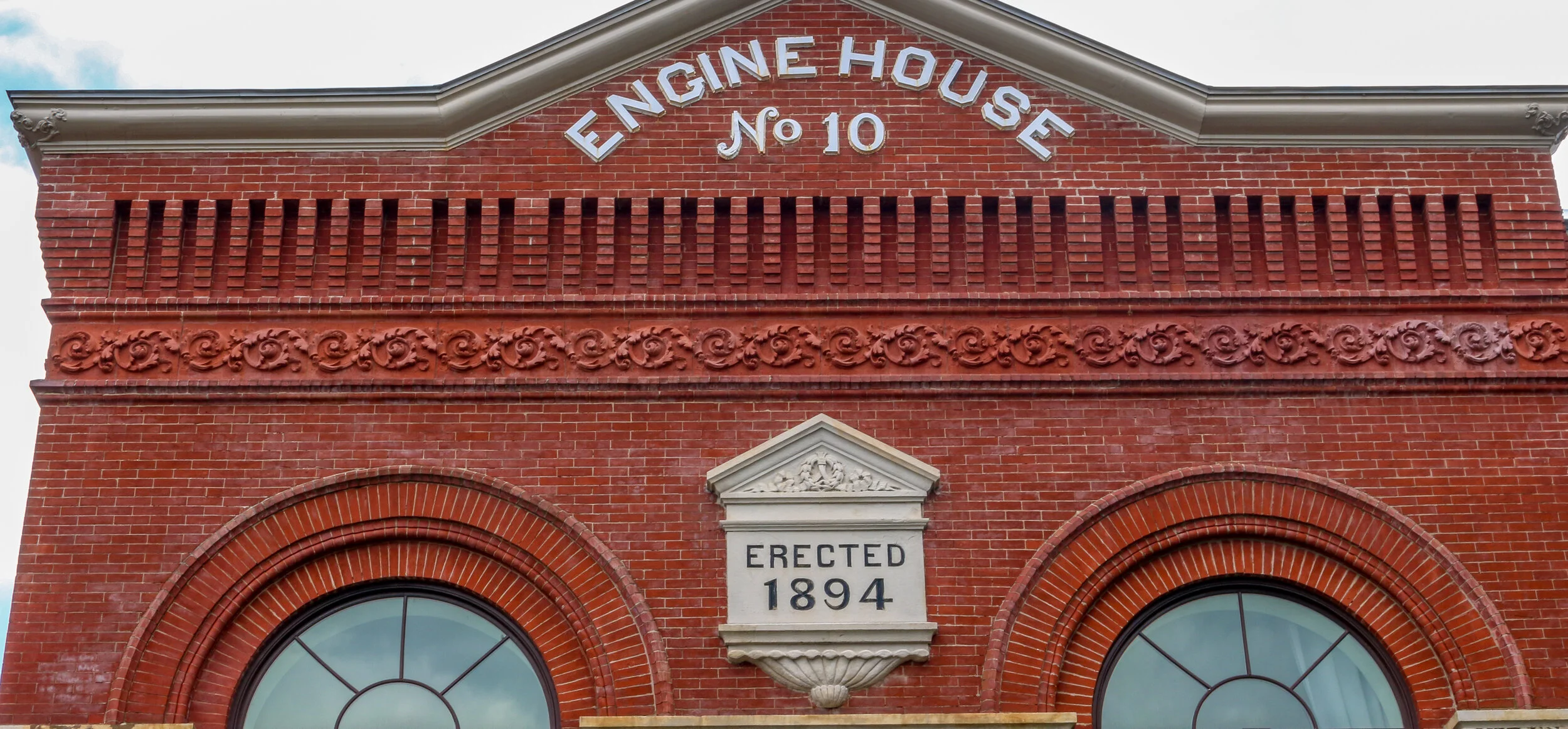
I grew up a block away from a firehouse, Engine Company #31, here in Northwest Washington D.C. When you grow up that close to an active station, sirens and horns are a part of your everyday existence. It becomes a part of you. Perhaps for that reason, I’ve always had a thing for old firehouses, and in this post I’ve set out to see some of the classic ones my city has to offer.
The Vigilant Firehouse in Georgetown, which was built in 1844 for a private fire company founded in 1817, is Washington D.C.’s oldest standing firehouse, although it hasn’t been in service since 1883. Most of the city’s early fire departments were private companies usually staffed by volunteers. It wasn’t until 1871 that Washington created a city-wide professional fire department. Over the last 150 years, many beautiful and sometimes ornate firehouses have been built across the city. In more recent years, some of the old ones have been retired and flashy modern stations have taken their places. While this is a good thing for those brave men and women who work in the field as they need and deserve modern equipment and facilities, it is still sad to see some of the old firehouses retired. Some have found new life as gyms, restaurants, churches and even apartment houses and condominiums while others sit quietly empty, fading into the cityscape. In this post I’ve tried to capture some of the classic firehouses of Washington and some of the small details which caught my eye when I visited. These old firehouses are from every corner of the city and I really enjoyed tracking them down to shoot this spread. I’d love to hear your memories of any of these old houses or to go find any I may have missed. Please comment in the section below. Many thanks to all of our wonderful D.C. firefighters, and to firefighters everywhere for your amazing and selfless dedication to the communities you serve.
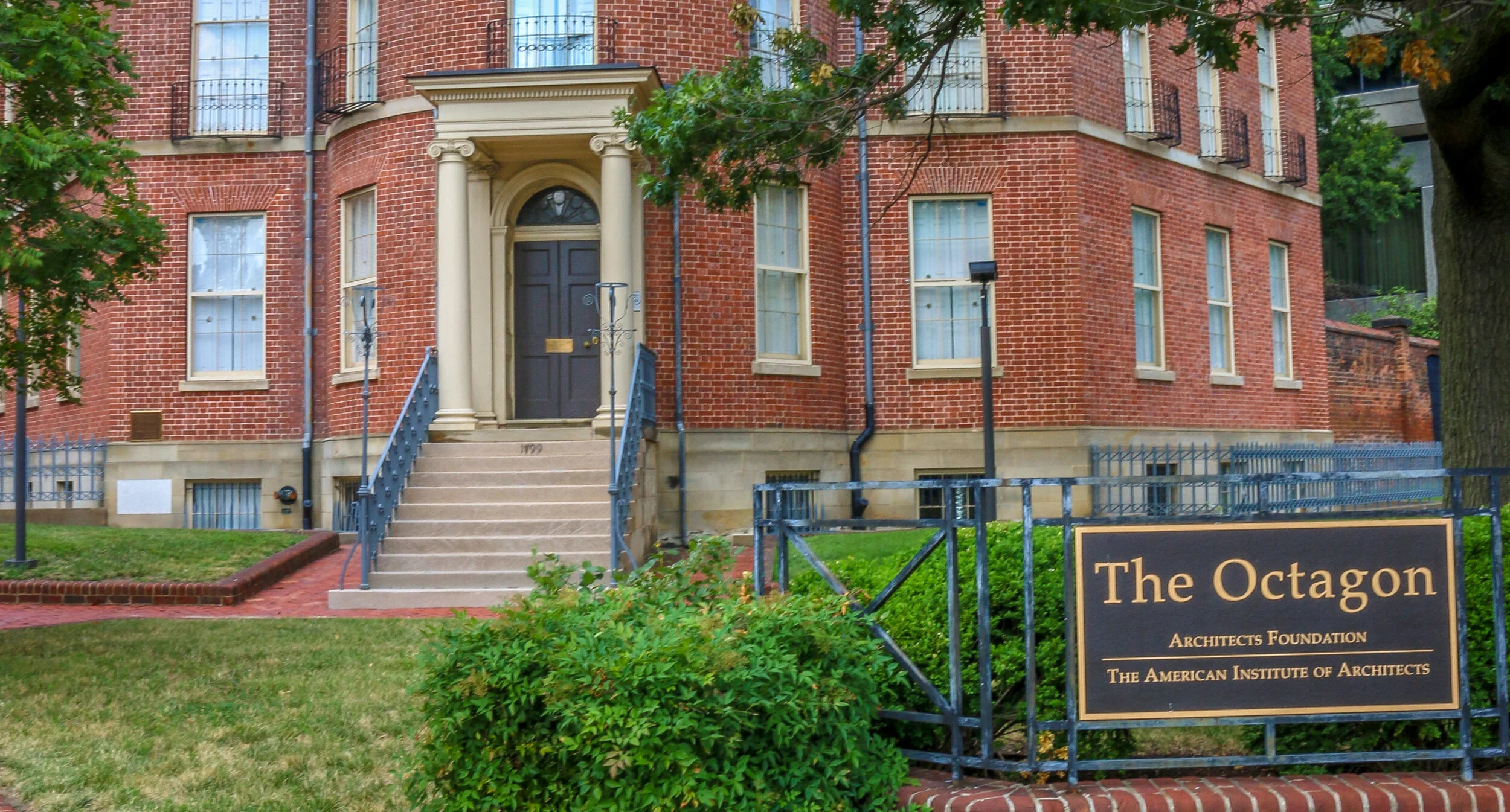
On a strangely angled corner lot just a couple of blocks from the White House, at the corner of New York Avenue and 18th Street, sits the beautifully designed Octagon House, one of the city’s oldest and most architecturally celebrated homes. The house was designed and built as the winter home for Colonel John Tayloe III, one of Virginia’s wealthiest plantation owners, and for a few months in 1814 served as the Presidential Mansion after the burning of the White House.
John Tayloe III was born on his family estate, Mount Airy, in 1770, the only boy in a family of 11 children. John’s father died when he was just 9 years old and after receiving an education in London he became the soul heir to the estate. In 1792, John married Ann Ogle whose father, Benjamin, had served as the 9th Governor of Maryland. The two would have 15 children of their own. The Tayloe fortune was made primarily through farming, shipbuilding and ironworks, but they were also some of the country’s earliest racehorse breeders. Tayloe was a fine horseman himself and served in the Dragoons under the commands of George Washington and Henry “Light Horse Harry” Lee during the Whiskey Rebellion in Western Pennsylvania. Later he served as a commander of the Cavalry of the District of Columbia. Just before the turn of the century, Tayloe was looking to build a winter residence in the city and had his sights set on cosmopolitan Philadelphia. His friend George Washington convinced him to build in the new Capital City instead. And so it was that John Tayloe III purchased Lot 8 in Square 170 to build his winter home within view of the White House.
There is some debate as to who designed Octagon House with the credit generally given to William Thornton who drew up the original designs for the U.S. Capitol. It is possible that the house was designed instead by our old friend William Lovering who designed several of the other houses in this series and many in early Washington. Regardless, it was Lovering who oversaw the construction of the home, thought to be a high point of the Federal Style of architecture. Needing to fit into a sloped, angled lot the house would be designed with amazing simplicity incorporating a circle, two rectangles and a triangle into the plan.The house was completed in 1801 and it is interesting that the Tayloe family chose to call it “Octagon House” since it only really has six sides. In addition to Mount Airy in Virginia, the Tayloe family also owned a 205 acre farm a few miles north of Octagon House called Petworth (from which today’s neighborhood in that area gets its name). Much to my delight Tayloe also built a racetrack just behind Lafayette Square and a stone’s throw from the White House.
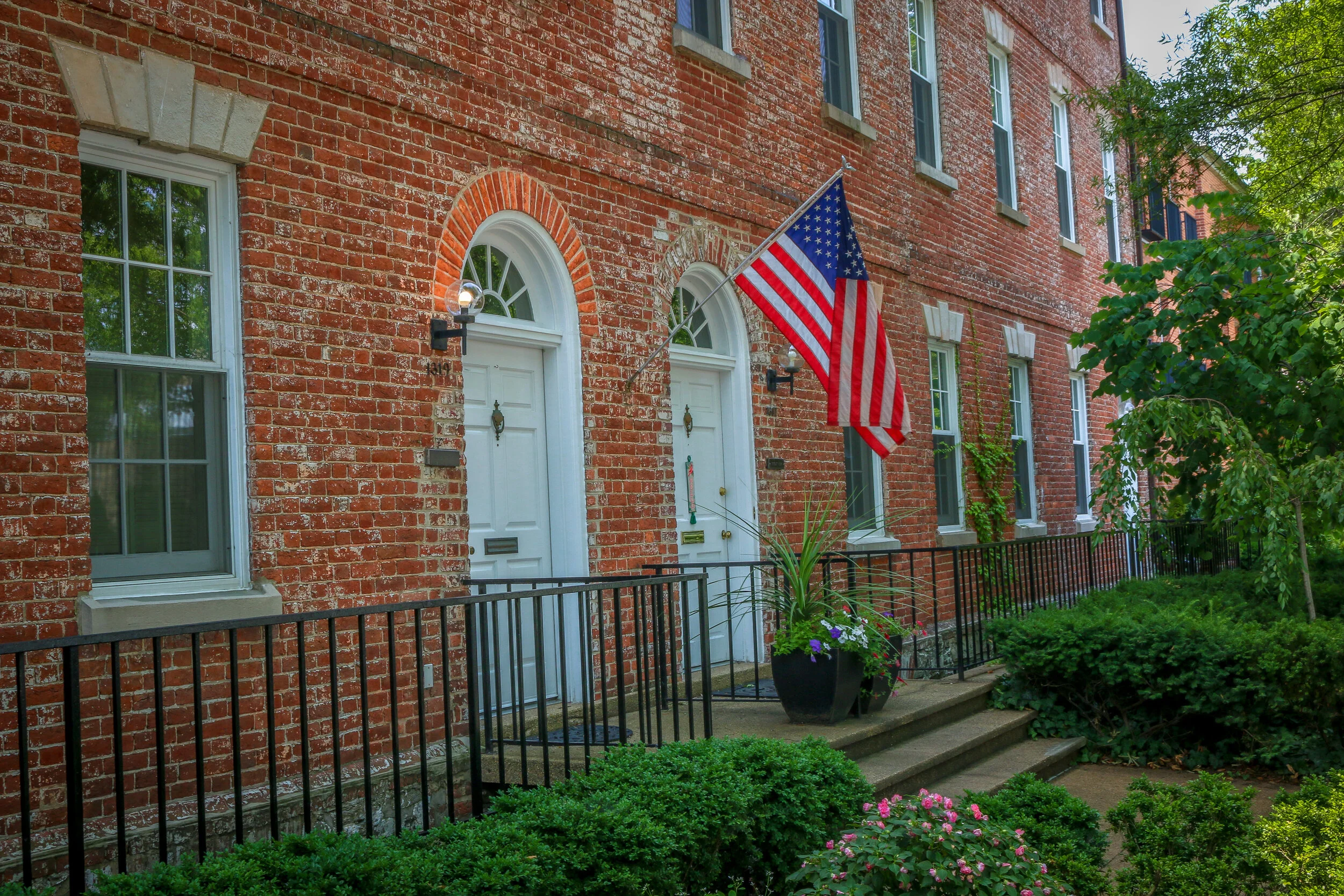
Unlike most of the other properties I’ve featured in this series, Wheat Row hasn’t had any really famous residents. Nor has it hosted presidents or had any major historical events take place within its halls. If anything, it is reminiscent of how the regular people lived in the early days of Washington D.C. - just a common set of row houses set along an ordinary street.
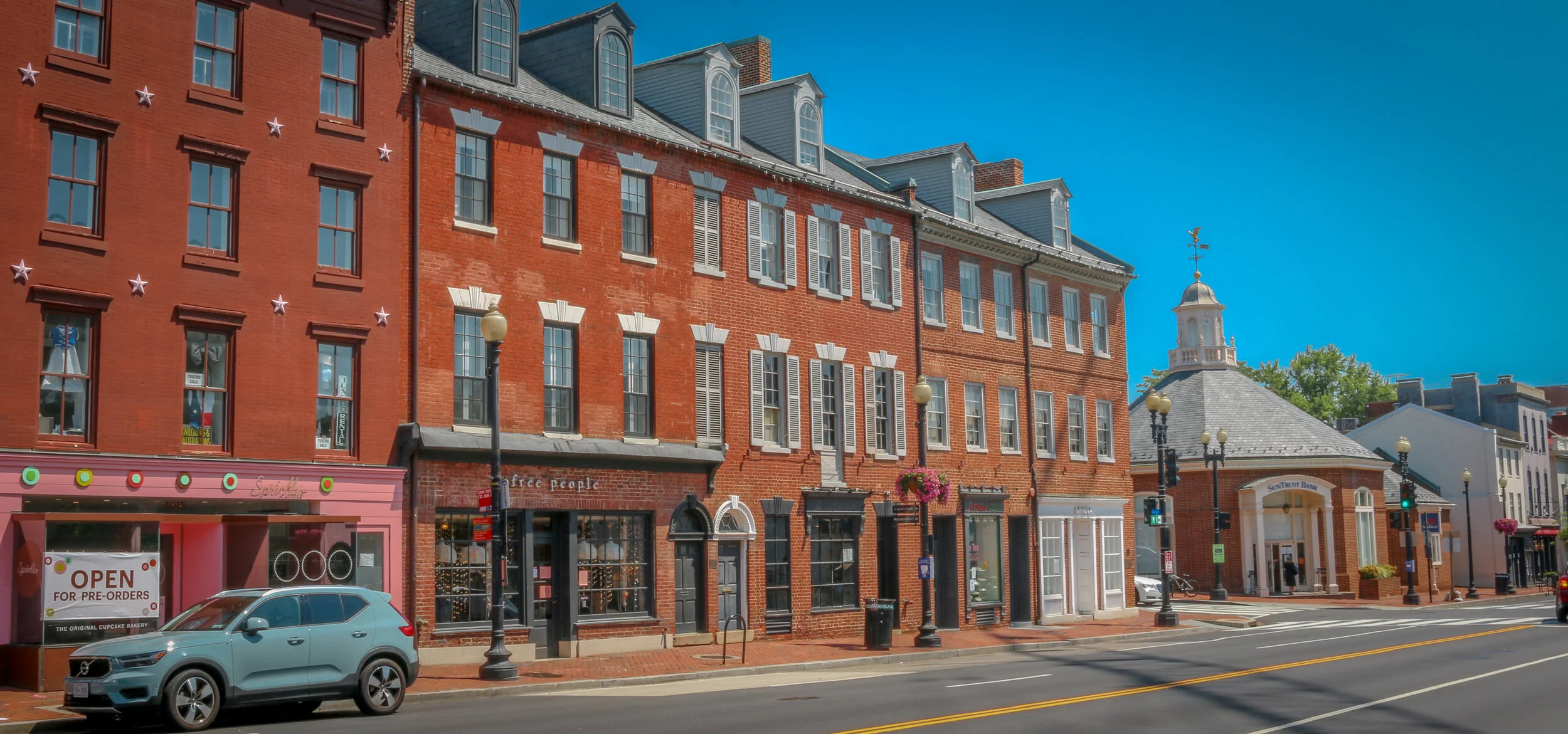
The four connected townhouses which make up Wheat Row were built around 1794 and designed by architect William Lovering, whose architecture has featured prominently in this series so far. Even when they were built, the Georgian architectural style was considered out of date. People found the houses “small and poorly constructed of inferior materials”, and yet there they stand, 225 years later.
Wheat Row takes its name from one of its early residents, John Wheat, who lived in 1315 as early as 1819. Wheat was a local designer of gardens in the city and was listed in one census as a congressional messenger. He would later purchase 1319 and 1321 as well and his family lived along Wheat Row until a few years after the Civil War.
The Maples was originally built for Captain William Mayne Duncanson between 1795 and 1796 on property he purchased for $960. The Late Georgian style mansion is the oldest building still standing on Capitol Hill. The two story main house and detached outbuilding which served as slave quarters and a carriage house was designed by architect William Lovering who designed several of the properties I’ve features in this series. During the house’s construction, the captain lived in the Duncanson-Cranch House on N St. SW which was the last property we looked at. George Washington was a dinner guest at The Maples while Duncanson lived there and the president was said to have called it “a fine house in the woods”.
Duncanson’s real estate investments in the city eventually led him into bankruptcy, and he lost this house in the process. It served as a hospital after the Battle of Bladensburg during the War of 1812 and soon thereafter was purchased by recent Star Spangled Banner author and future D.C. District Attorney Francis Scott Key. Interestingly, at the time he purchased The Maples, Key was living at 3518 M St. in Georgetown, a block or so away from the Forrest-Marbury House featured earlier in this series. The Key family likely never lived in The Maples though, except perhaps briefly after selling their Georgetown home in the 1830s.
In 1838 The Maples was purchased by Major Augustus A Nicholson, the Quartermaster of the United States Marine Corps, and became the center of military entertainment in the Capital City. Sadly, Major Nicholson’ wife committed suicide in the house and is said to still haunt the property with her tormented cries…
This house was built in 1794 and designed by architect William Lovering who is also credited with designing the Thomas Law House (featured last in this series), The Maples (which will be featured next), the Octagon House and Wheat Row, both of which will be featured later in this series. The house was designed in the Federal style popular at the time and was built as a double house, occupying 468 and 470 N. St. SW.
The lot on which the house was built was originally owned by Notley Young who deeded it to the City Commissioners when the site of the federal city was first determined. Captain William Mayne Duncanson, a wealthy merchant who came to Washington from Europe on a boat with Thomas Law in 1795, lived in the 470 half of the double house from 1795-96. He lived in the house while awaiting his new home, later known as The Maples, was being built on Capitol Hill. The Maples will be featured next in this series.
Several years later, the other half of this house was occupied by William Cranch. Cranch was the son of Mary Smith whose sister was Abigail Adams, making William the nephew, by marriage, of President John Adams. William married Nancy Greenleaf in 1795 and had four sons and three daughters. Their great-grandson was poet T.S. Elliot
A Harvard educated lawyer, Cranch moved to Washington D.C. in 1791 where he worked in private practice for 10 years. From 1800-1801 Cranch served as a City Commissioner for the District before being nominated by his uncle, John Adams, to serve on the newly established U.S. Circuit Court for the District of Columbia
This post shares photos and a brief history of the Thomas Law House in Southwest Washington D.C.
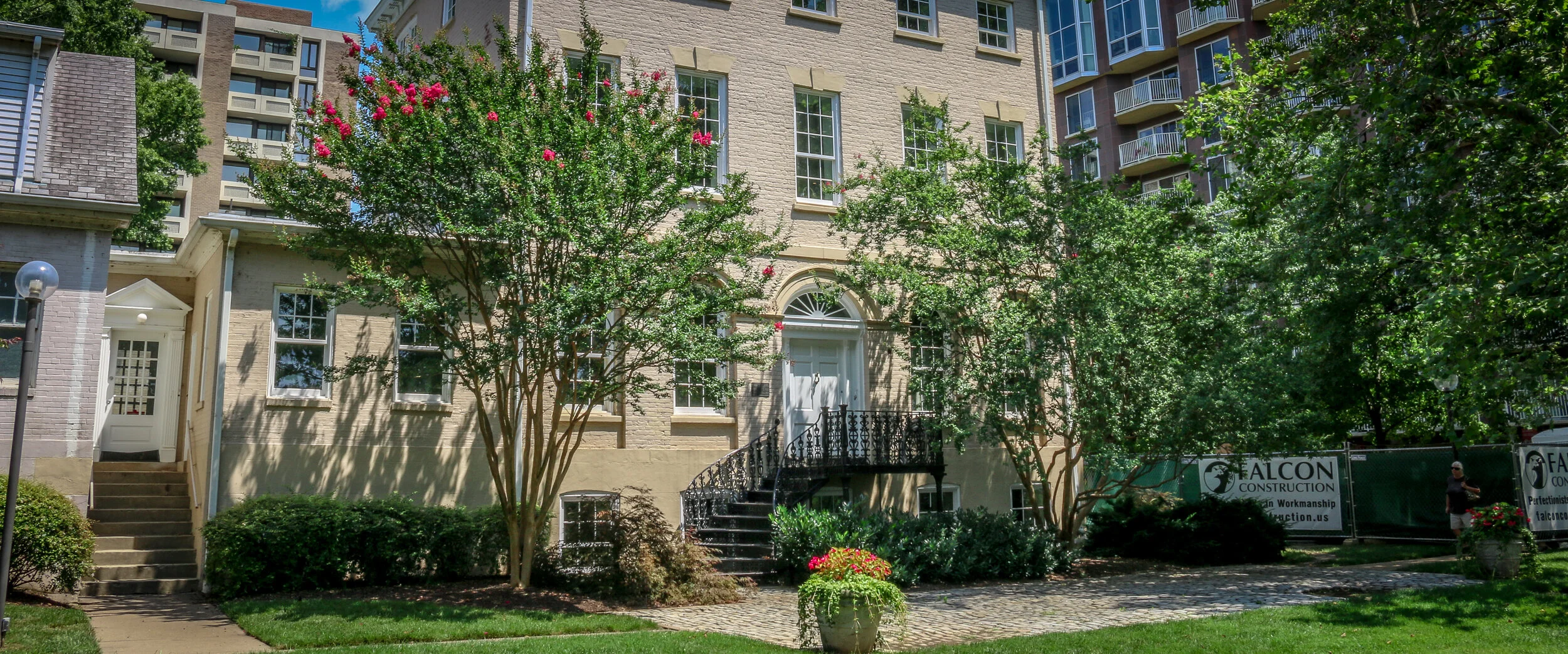
The Thomas Law House was built between 1794 and 1796. It was designed by architect William Lovering who is credited with the design of several other properties which will be featured later in this series including The Octagon House, Wheat Row and the Duncannon-Cranch House. Thomas Law, formerly of the British East India Company, had recently immigrated to the United States with two of his three illegitimate sons born from his Indian mistress. He met and married Elizabeth Parke Custis, who was twenty years his junior, in 1796 and the couple moved into this newly built home which was then dubbed “Honeymoon House”. Elizabeth Parke Custis was the eldest granddaughter of Martha Washington from her first marriage. Elizabeth’s brother was George Washington Parke Custis, the builder of Arlington House (the Custis-Lee Mansion) and the father of Mary Anne Randolph Custis who would marry Robert E. Lee. Thomas and Elizabeth would live in this beautiful Federal Style home for only about five months before moving to a new home which was then under construction. They would divorce in 1811.
From 1814-1827, this house was occupied by Richard Bland Lee, brother of Henry “Lighthorse Harry” Lee and uncle of Robert E. Lee. Richard was the second cousin of Thomas Sim Lee, whose winter house in Georgetown was featured earlier in this series. Richard had served as a U.S. Representative from Virginia in the very first session of congress and had helped negotiate the Compromise of 1890 which established the Capital City of Washington D.C. He served three terms in congress and then returned to his family’s tobacco plantation – Sully – in Chantilly, Virginia. Financial hardships in the family eventually forced the sale of Sully after which Richard and his wife moved to the Thomas Law House. Richard would serve under President James Madison as a commissioner charged with helping rebuild the city after the War of 1812 and would later be appointed as a judge by James Monroe. He lived in this home until his death in 1827.
This post shares photos and a brief history of the Thomas Sim Lee Corner in Georgetown in Washington D.C.
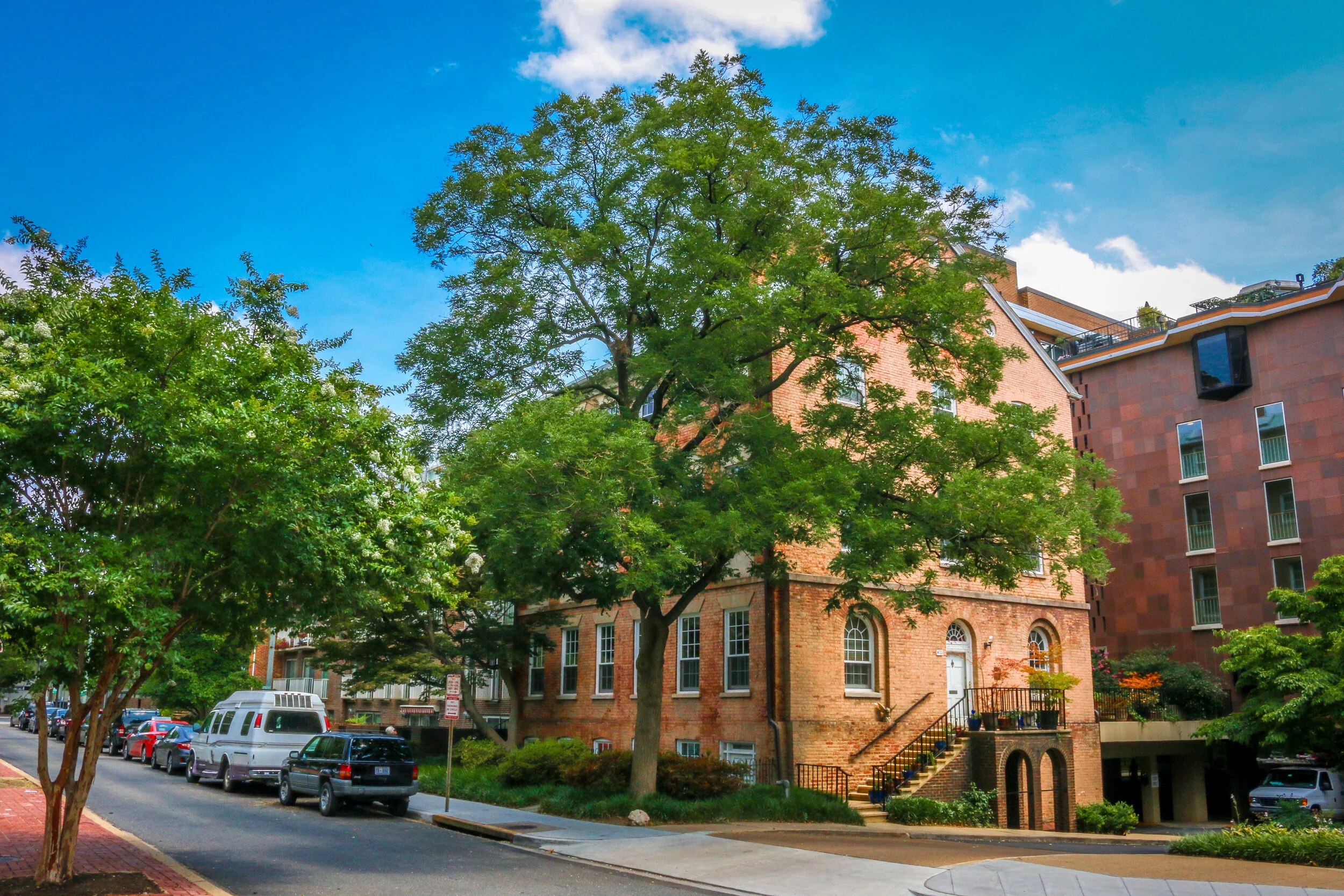
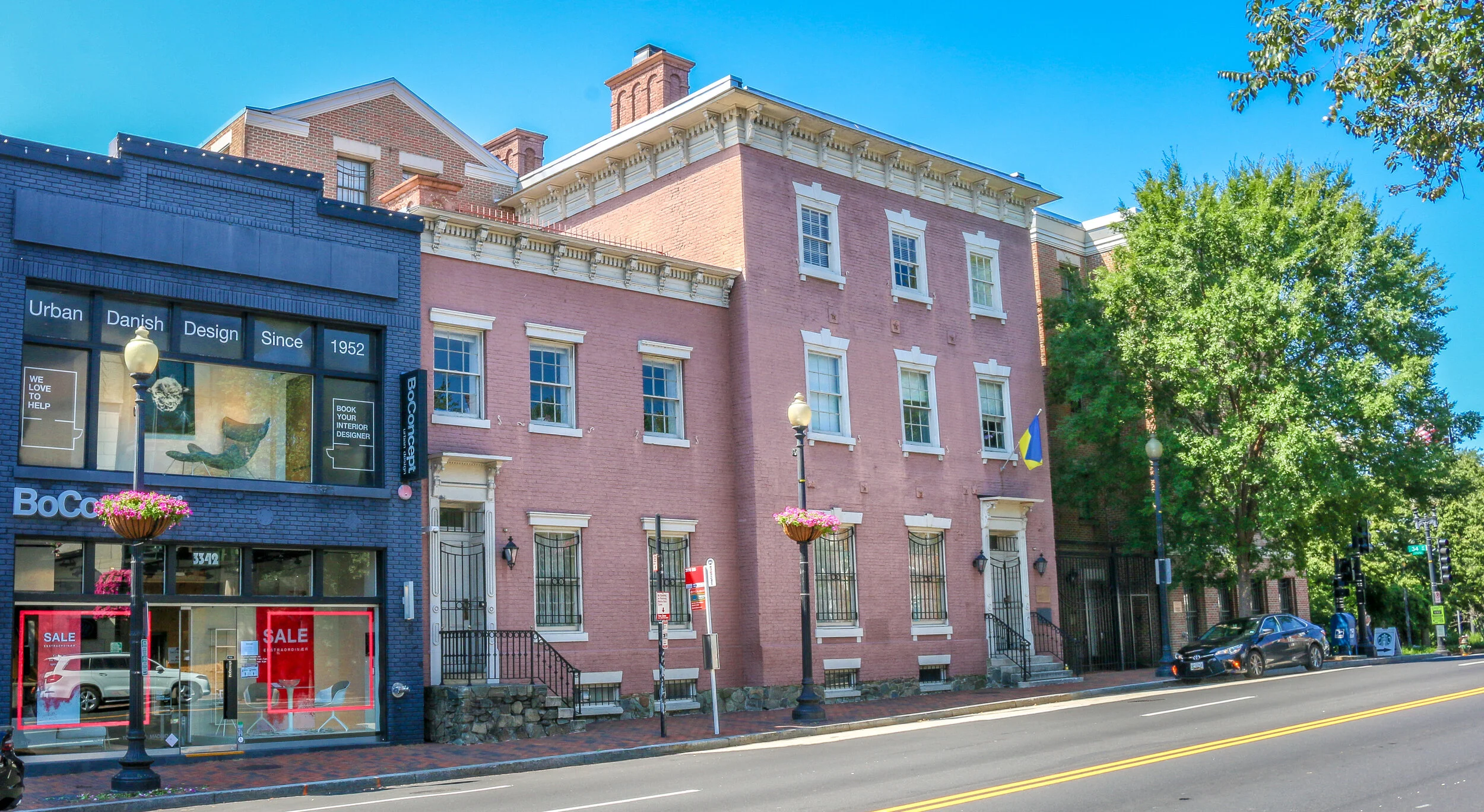
At the end of the block where the Old Stone House has stood since 1765, you can find the historic winter home of Thomas Sim Lee, an associate of George Washington who had served as a colonel during the Revolution. He went on to become the 2nd and 7th Governor of the state of Maryland. During his first term, Lee consulted with then lieutenant colonel Uriah Forrest who would later live down M Street from Lee in what’s now known as the Forrest-Marbury House (read about it HERE). After his second gubernatorial term ended in 1794, Lee moved to Georgetown and built this lovely corner house. In July of that year, Washington offered Lee a role on the Board of Commissioners which was overseeing construction of the new capital city, but Lee turned him down. After the death of his wife, Mary, in 1805, Lee moved permanently to his country estate in Frederick County.
The Thomas Sim Lee house would go through several owners over the next century and a half, but it eventually fell into a dilapidated state and was slated for demolition in 1950. This was right about the time that congress had authorized the purchase of the Old Stone House a block away, and a Georgetown resident named Dorothea de Schweinitz quickly mobilized her friends to save the Lee Corner from the wrecking ball. The Architectural Review Board of the Commission of Fine Arts reviewed the property and recommended against demolition. Miss de Shweinitz organized her neighbors and helped found Historic Georgetown Inc. which sold shares at a dollar apiece and purchased the property outright. They then began renovations of the building and found renters to occupy it. The simultaneous preservation of the Old Stone House and the Thomas Sim Lee Corner was the beginning of a movement to save historic Georgetown, a move I’m sure area residents are grateful for today…
This post shares photos and a brief history of Rosedale in Cleveland Park in Washington D.C.
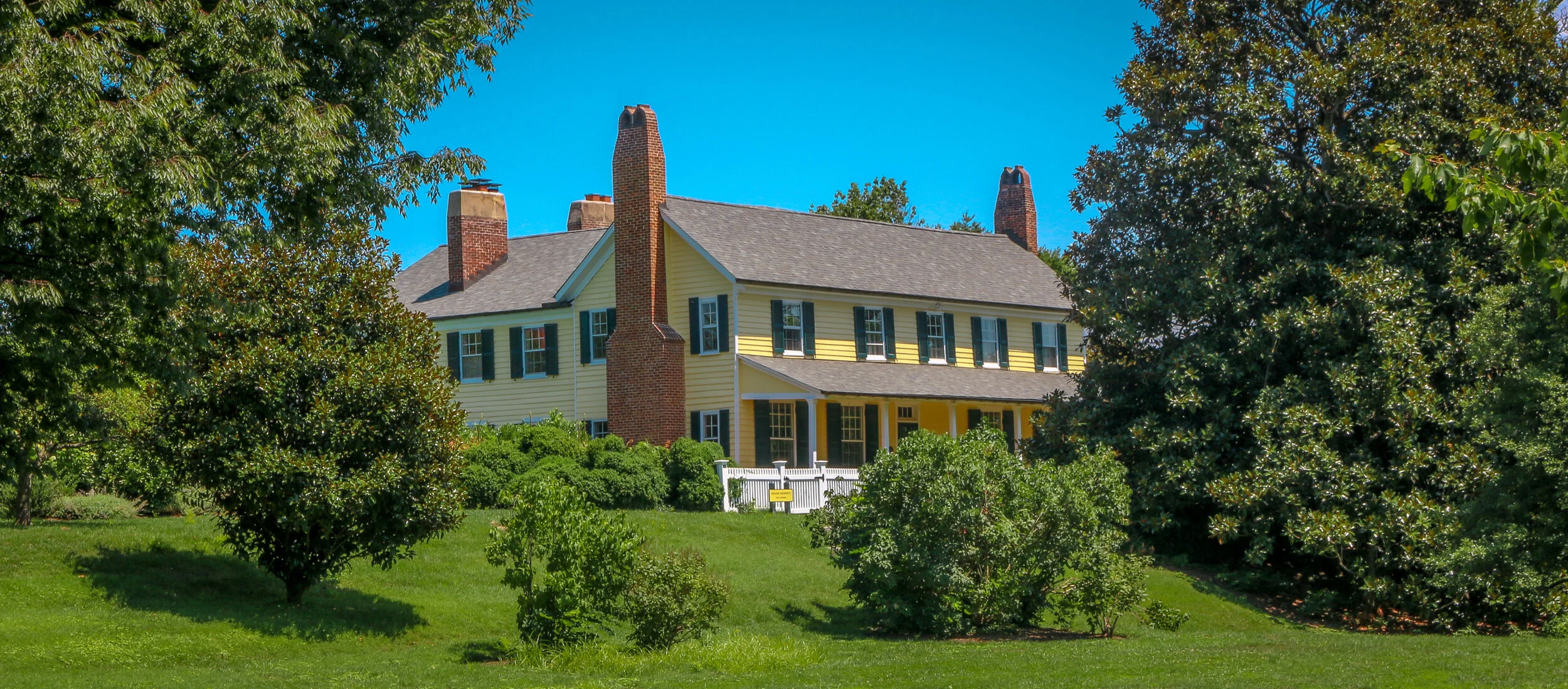
The area we now call Cleveland Park was once part of a massive 800 acre estate owned by Colonel Ninian Beall. After Beall’s death in 1717, his property was divided among his 12 children and a tract of it was bought by a man whose name is lost to history. This man built a small stone cottage on the property around 1740 and the estate was known as Pretty Prospects. In 1793, the property was acquired by General Uriah Forrest, who had been the mayor of Georgetown and was at that time serving in the U.S. House of Representatives. Forrest had a large wood-framed house built onto the front of the stone cottage and renamed the property Rosedale. Rosedale was the Forrest family’s country estate which they built while living in the Forrest-Marbury House in Georgetown (read about that house HERE).
General Forrest was a prominent citizen of early Washington D.C. and Rosedale played host to many important people including President John Adams. Forrest himself would die in the front parlor of the house in 1805. Rosedale remained in the family until 1917 when it was rented by the Coonley family.
This post shares photos and a brief history of the The Forrest-Marbury House in Georgetown in Washington D.C.
The Forrest-Marbury House was built in 1788 by John Stoddert and soon became the city home of Georgetown’s 3rd Mayor and Stoddert’s business partner, General Uriah Forrest. Forrest had lost a leg during the Battle of Brandywine in the Revolution, and would go on to serve in the U.S. House of Representatives. On March 29th, 1791 General Forrest hosted his old friend and former commander, George Washington, and other prominent local landowners for dinner before their historic meeting at Suter’s Inn which I discussed briefly in my last post in this series on The Old Stone House (read it HERE). In 1794, Forrest moved out of this house and to his country estate across town which he called Rosedale where he lived out his days. Rosedale will be featured next in this series.
From 1800-1835 this house was owned and occupied by William Marbury, a successful local banker. On the last day of John Adams’ presidency, Adams nominated Marbury to be a Justice of the Peace in Washington D.C. This nomination was blocked by incoming president Thomas Jefferson and his secretary of state James Madison. Marbury filed a lawsuit asking for a writ of mandamus which would force the Jefferson administration to complete his commission and in 1803 the U.S. Supreme Court heard the case of Marbury v Madison. This case would deny Marbury his commission not on the grounds that he didn’t deserve it, but on the grounds that to do so was outside the constitutional power of the Supreme Court. This famous early case established the principle of judicial review. Marbury’s adversary in the case, James Madison would later live in the Octagon House which will be featured in a later post in this series…
This post shares photos and a brief history of the The Old Stone House in Georgetown in Washington D.C.
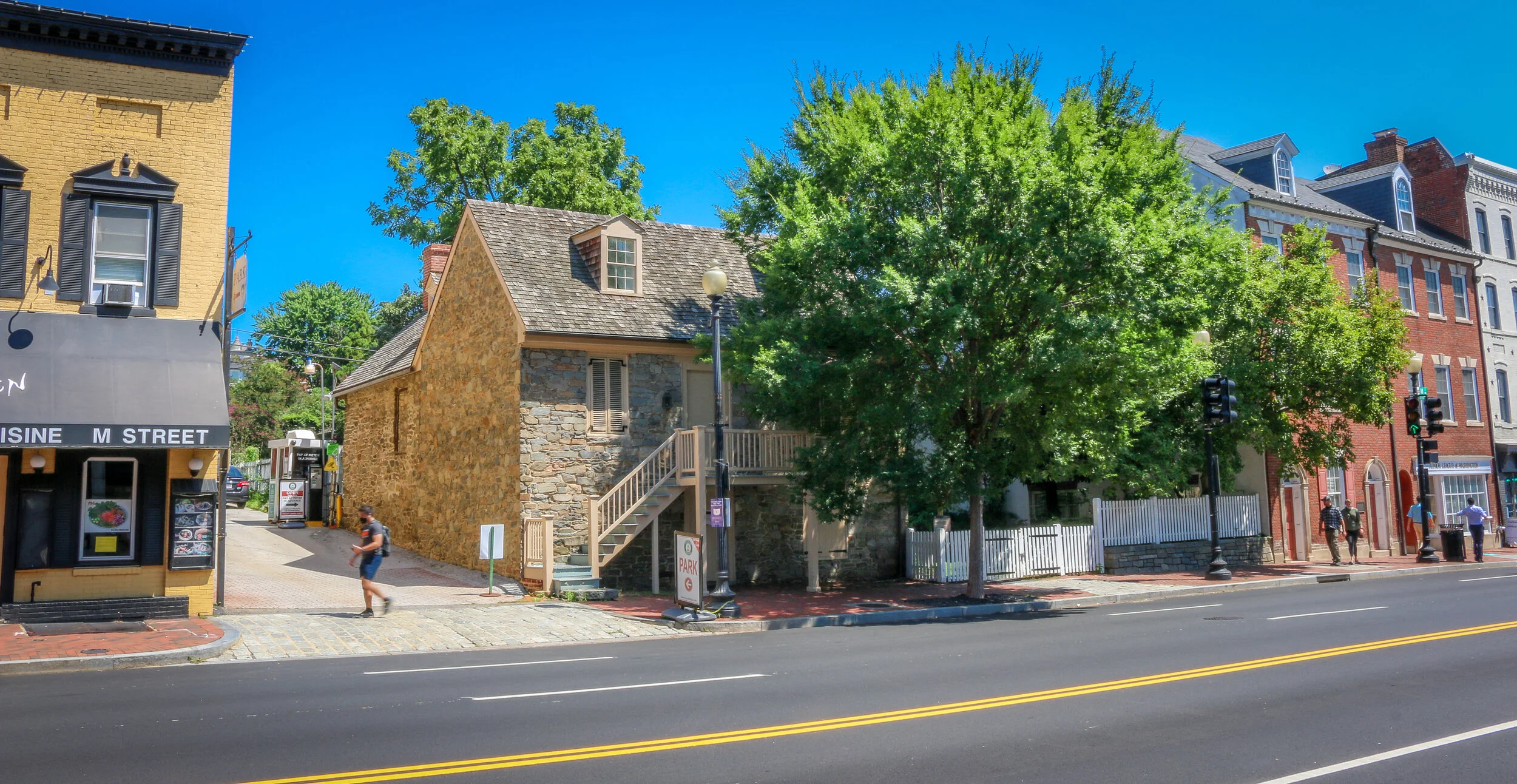
The Old Stone House was built was built in 1765 on what was then Bridge Street (now M Street) in Georgetown, ten years before the Declaration of Independence and almost 30 years before the founding of Washington D.C. Built of locally quarried stone as a one story structure by a cabinetmaker named Christopher Layman, the building would serve as both his home and shop. After his death later that year, Layman’s widow sold the building to Cassandra Chew who added a rear kitchen in 1767 and a second floor soon thereafter. The third floor was added in the 1790s. Over the next hundred and fifty years, the building would change hands, and uses, many times. By 1953, when the National Park Service purchased the property, it was the site of a local car dealership. The Park Service has since restored much of the Old Stone House to an 18th Century appearance and it is open to the public as part of C & O Canal National Historical Park. It is considered the oldest standing structure in Washington D.C. on it’s original foundation, and is one of very few pre-Revolutionary buildings to be found in the District.
Interestingly, the Park Service points to a mistaken identity as one of the reasons the Old Stone House was preserved. On March 29th, 1791 George Washington was meeting with area landowners to discuss the purchase of land by the federal government to establish the new capital city.
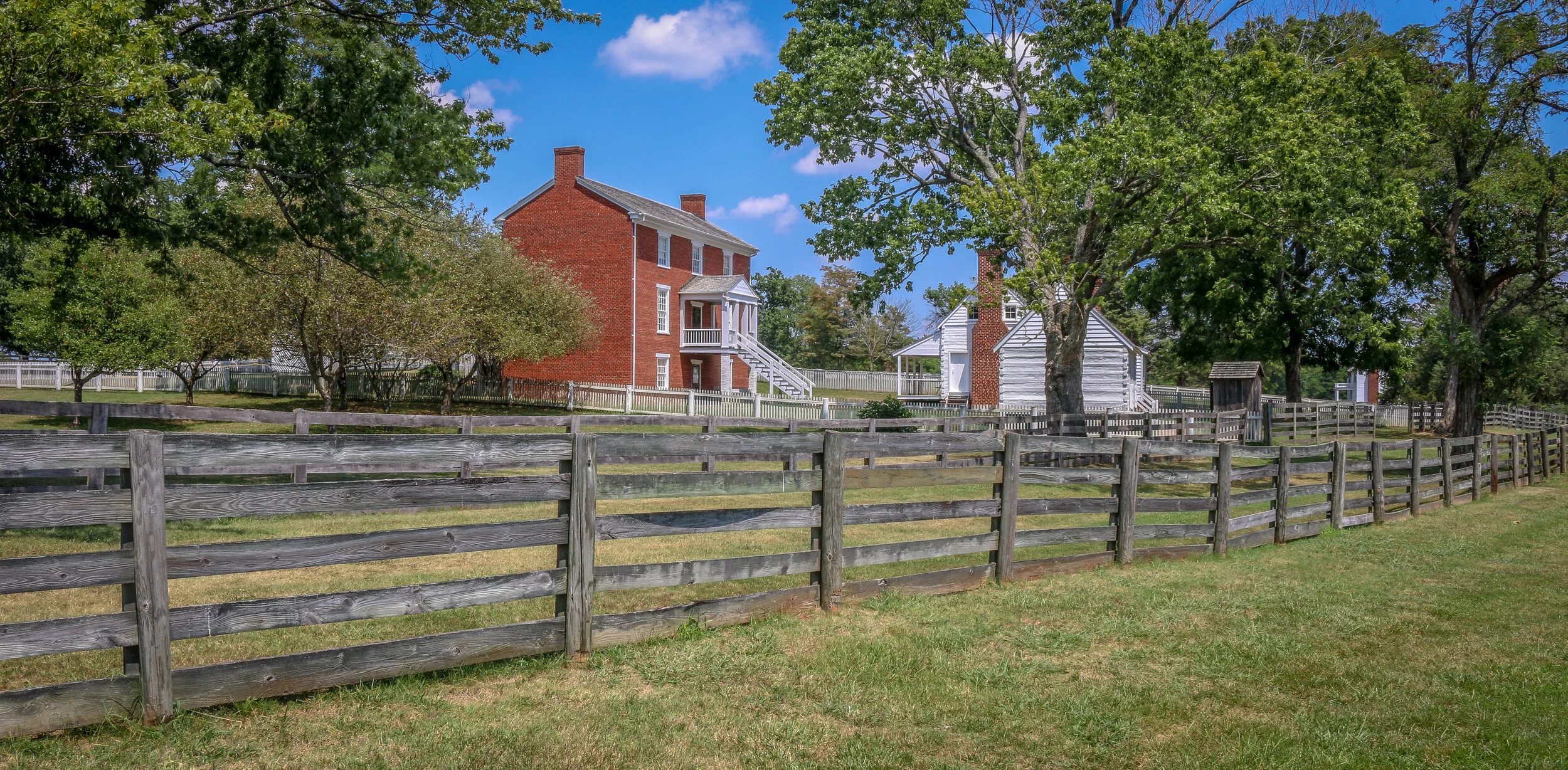
The photos below come from a recent visit to Appomattox Court House National Historical Park near the town of Lynchburg, Virginia. It was the site of the surrender of the Army of Northern Virginia which effectively ended the American Civil War.
After the siege of Petersburg and the fall of the Confederate Capital at Richmond, General Robert E. Lee led his Army of Northern Virginia west with the hopes of turning south to North Carolina and joining with General Joseph Johnson’s army there. They moved towards the train depot at Appomattox Station hoping to find much needed supplies waiting for them there. Union General Phillip Sheridan and his cavalry arrived first, capturing the supply trains and forcing Lee to turn his thoughts towards Lynchburg instead. Surrounded by Union troops, they made one final push at dawn on April 9th, 1865. It didn’t take long to realize that they were surrounded and Lee called for a meeting with Ulysses S. Grant to discuss the terms of surrender.
The site chosen for this conversation was the home of Wilmer McLean in the tiny village of Appomattox Court House. The generals met in the parlor, recreated above, to hammer out the details. The terms offered were very generous as the Confederate soldiers were to be immediately paroled and even allowed to keep their horses and sidearms. Their parole papers were printed in the nearby Clover Hill Tavern. The Southerners marched into town, stacked their rifles, turned over their cannons and marched out. While the surrender of Lee’s Army of Northern Virginia was not the end of the Civil War, there was little chance or hope for the Southern cause in its aftermath. The war would technically drag on until early summer, with skirmishes across the south, but the surrender at Appomattox Courthouse was the beginning of the end. Four long years of fighting which cost over 600,000 lives was finally nearing its conclusion…
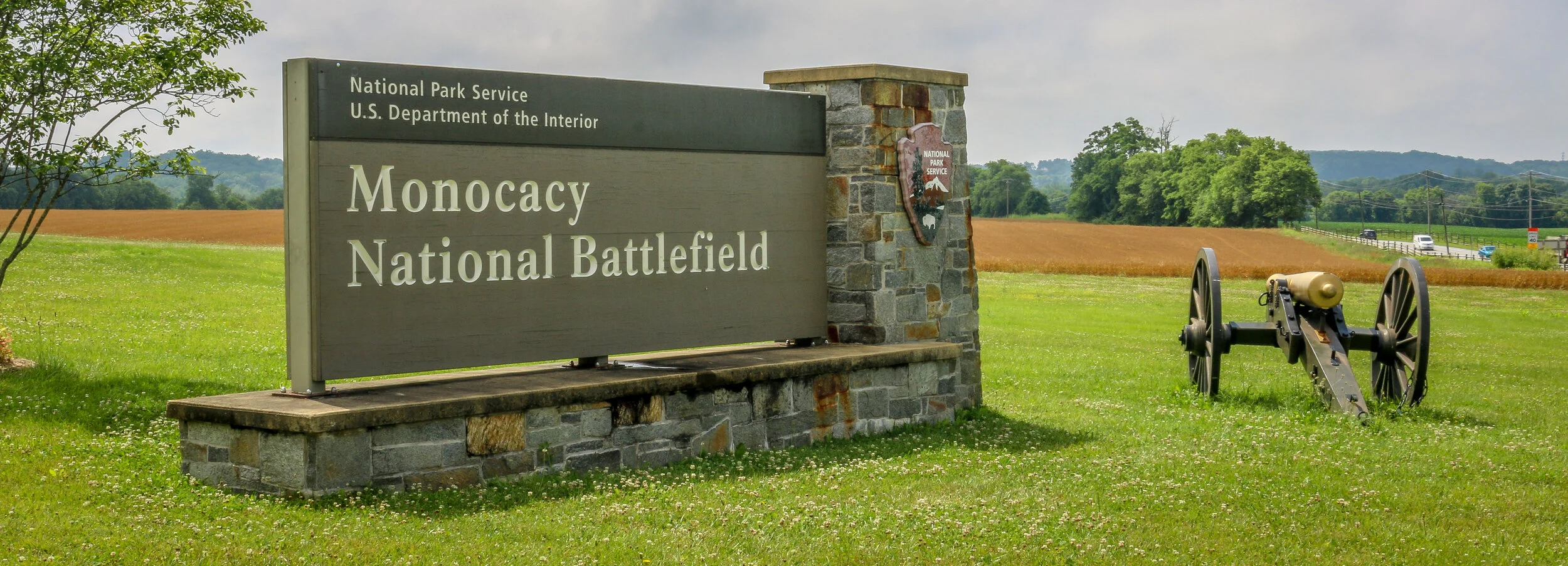
The photos below come from a recent visit to Monocacy National Battlefield Park just south of Frederick Maryland - site of the “Battle that Saved Washington”. Civil War Chronicles will trace the major battles of the Eastern Theater of the war through photos and brief histories.
The Battle of Monocacy is a bit of an outlier in that it wasn’t really a major battle of the Eastern Theater of the Civil War, but a minor one with major implications. While Generals Grant and Lee were engaged in the final grappling of the war around Petersburg, south of Richmond, Lee wanted a distraction to pull some of Grant’s army away. He attempted this by sending General Jubal Early to go on the offensive and attack into Union territory, the third Confederate invasion of the North during the war. Early was sent with 15,000 men to threaten Washington D.C. and, if possible, to raid the prison camp at Point Lookout and free the Confederate soldiers being held there. Lee also knew that a presidential election was looming and he hoped that another invasion of the North might bring about the defeat of Lincoln and a favorable end to the long and brutal war.
Early’s army crossed the Potomac River into Maryland on the 4th of July, 1864 and marched past Sharpsburg, the site of the Battle of Antietam two years earlier. You can’t march 15,000 infantry troops across a state without anyone noticing, and word quickly got to General Lew Wallace who was then the Union commander in Baltimore. Wallace gathered what men he could muster and quickly set off towards the west. Thinking quickly, Wallace decided to head towards Monocacy Junction, just south of Frederick, Maryland. He didn’t know where the Confederates were headed, but this point would allow his troops to defend the Georgetown Pike to Washington, the National Road to Baltimore and the Baltimore and Ohio Rail Line. If he got there first, he could strategically place his men along the Monocacy River and defend all three of those routes which crossed the river at that point. He arrived in time to dig in and establish a line of defense.