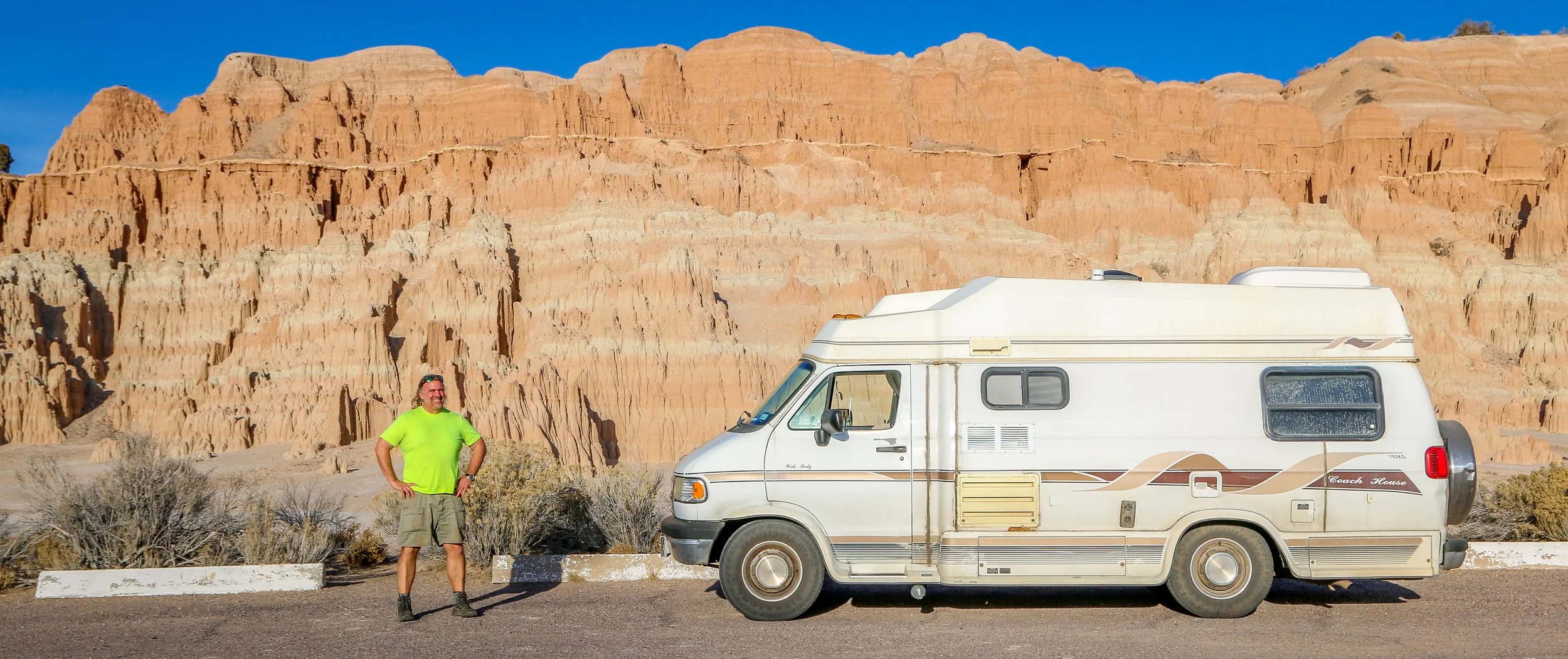
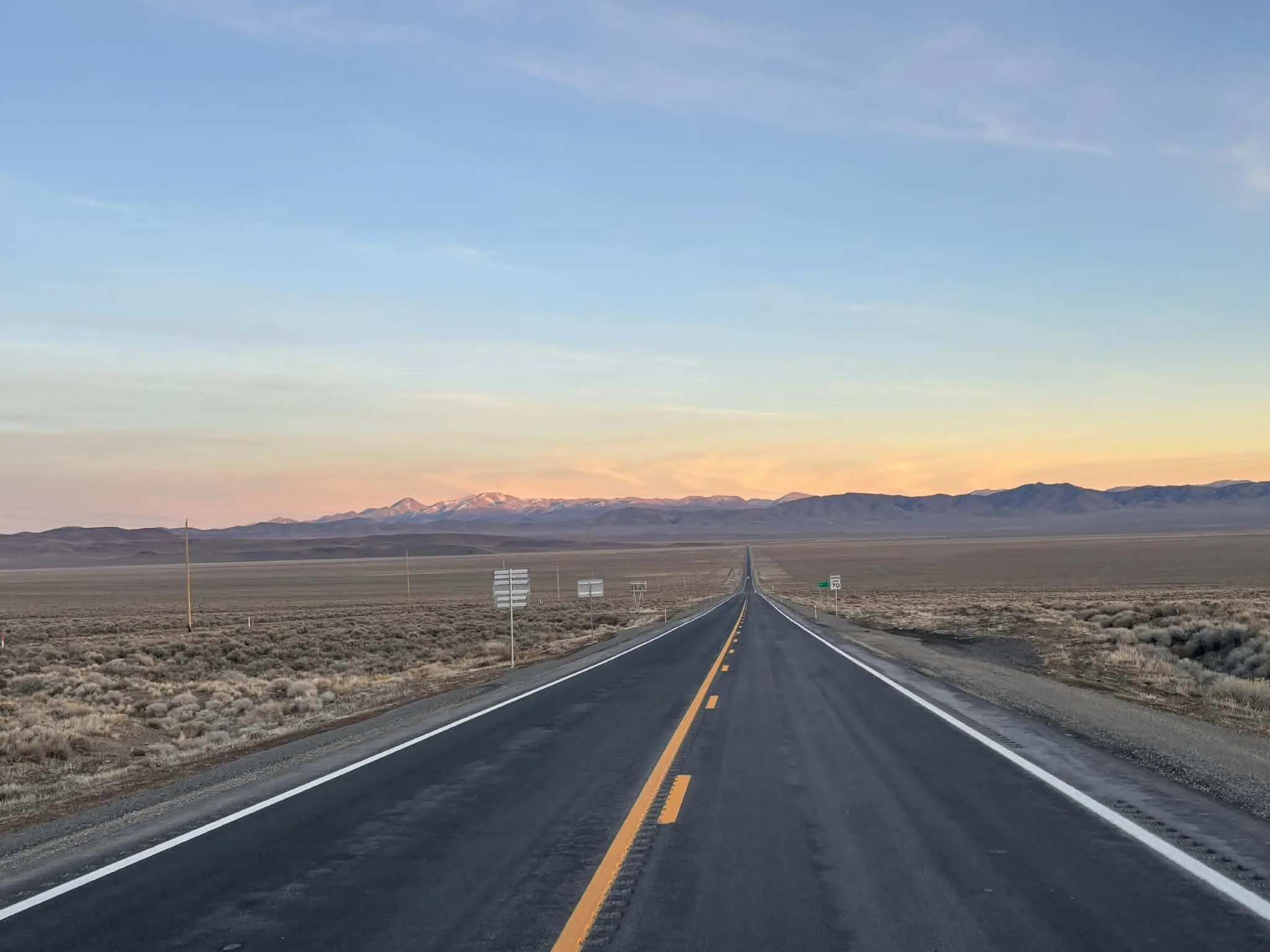
Hello Everyone! This week brought me down the east side of the great state of Nevada as I traveled from the old railroad town of Ely to fabulous Las Vegas. It’s another pretty desolate run with lots of wide open, beautiful desert to see. Nevada Route 93 is a great road and an easy one to cruise down with the windows down and the radio up. Tumbleweed blew across the road on more than one occasion. I also saw both a coyote and a roadrunner speed across the highway in front of me, but if the coyote was chasing the roadrunner, he was several hours behind. Perhaps an Acme brand rocket might help him catch up. I did stop through some cool little towns along the way and hiked in three really nice state parks as well, which were all nice to break up the ride. As I’ve been making my way south, I’ve been reading Reno’s Big Gamble by Alicia Barber which is an interesting look at the history of “The Biggest Little City in the World”. Two passages really stuck out though and made me smile so I thought I’d share them with you here. The first talks about how Nevada is right in between the Sierra Nevada Mountains, arguably the most beautiful part of California, and the incredible and diverse landscapes of Western Utah, longtime home of the Mormon Church. That leaves Nevada stuck in the desert “east of Eden and west of Zion”. The second quote stated that Nevada was “only fit for lizards and blizzards”. Both gave me a good chuckle. Nevada is a wonderful place but it takes some time here to understand that and the wide-open desert can be as daunting as it is beautiful. It’s hard not to imagine the emigrant parties toting all of their possessions with them in an old wagon starting off across the great unknown. The distances are much greater than they appear and I can only imagine what went through their heads as they struggled across a few miles at a time. Thankfully I move along at a much quicker pace. All in all, it’s been another great week on the road.
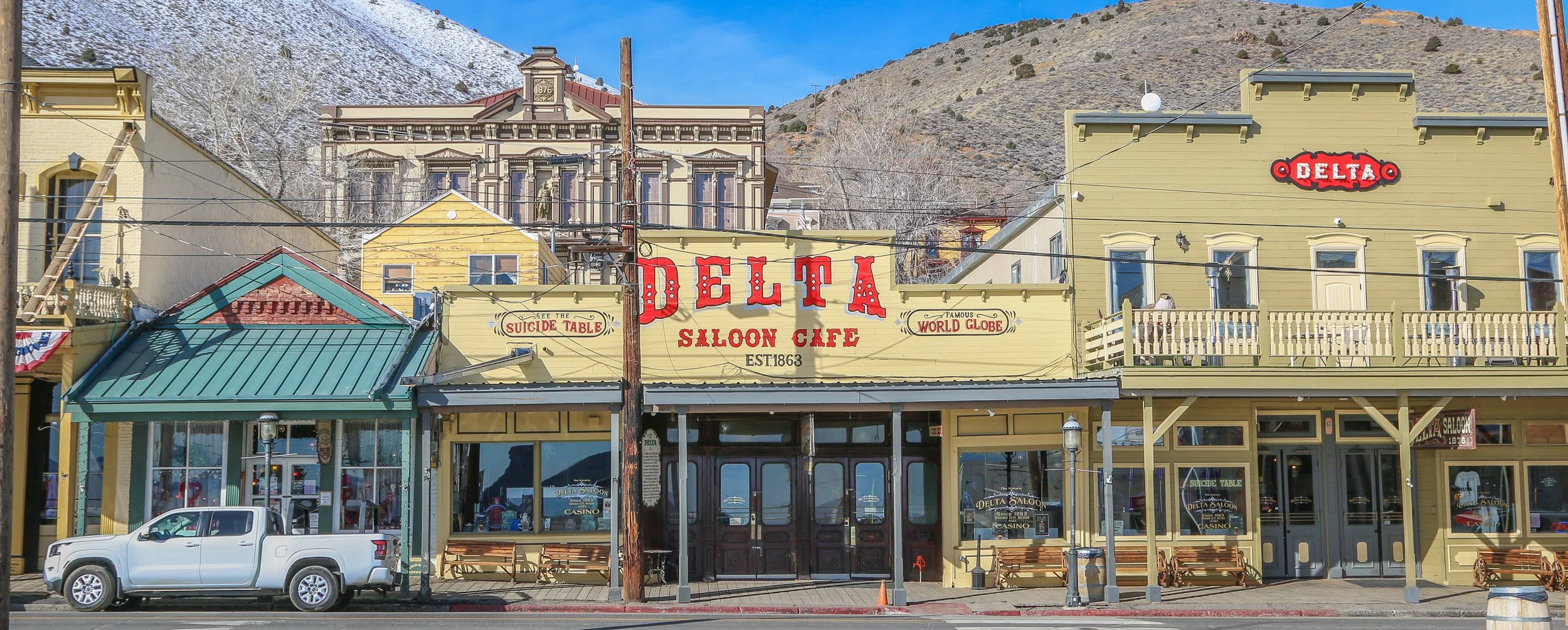
Virginia City, Nevada is one of the coolest Old West mining towns left in the country, and rightfully so as it was once the site of the biggest bonanza in the country’s history. Ten years after the California gold rush brought tens of thousands of people west to find their fortunes, Henry Comstock discovered gold at what would later be called Gold Canyon. The Comstock Lode would bring 25,000 people into the desolate Nevada hills and Virginia City would come to be known at “The Richest Place on Earth”. Because of the tremendous wealth in the area, huge hurdles would be overcome as the town grew, including piping in water from the nearby Sierra Nevada mountains and building a railroad up the steep grade to bring supplies in and out of town. Beautiful churches, mansions, schools and a gorgeous county courthouse were built, along with dozens of saloons, gambling halls and brothels. As a nod to the latter, you’ll notice that the statue of Justice on the courthouse isn’t blind, but instead holds a constant watch over the town. In total, over $400 million dollars worth of gold and silver came out of these hills, equivalent to several billion in today’s money. These riches would filter out of the hills and be responsible for the founding of Reno and for turning San Francisco into the beautiful city it is today. It also helped fund the Union cause during the Civil War, hastening the push for Nevada’s statehood. Nevada’s “Battle Born” motto and designation as the Silver State are both a direct result of the wealth of Virginia City. When the minerals played out, the population dwindled and major fires burned down a lot of what Virginia City once was. Today, nostalgia for the past brings in plenty of tourism and it’s well worth a visit. I hope you enjoy these photos from colorful, historic Virginia City, Nevada a town where the Old West lives on.
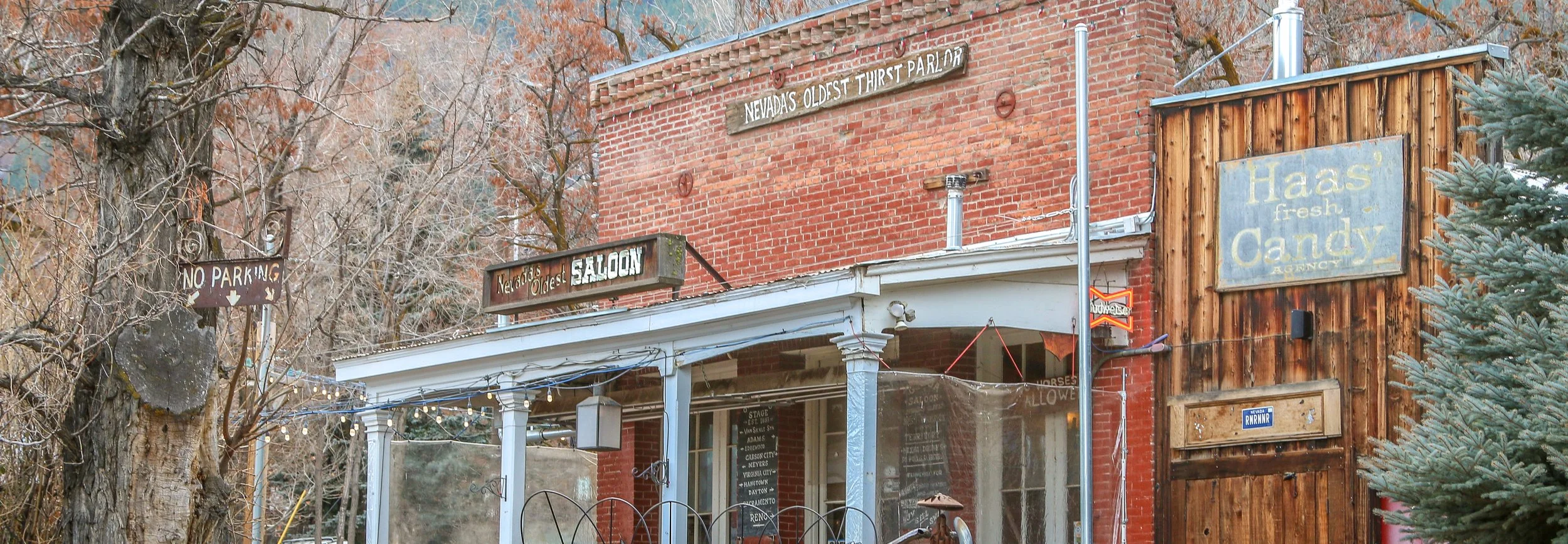
Genoa was first settled by Mormon pioneers in what was then the Mexican Territory of Alta California. Their settlement was known as Mormon Station and served as a roadhouse for westbound emigrants along the California Trail. After American annexation following the Mexican-American War, John Reese arrived and expanded the operation. Others soon settled in the area as well and the town started to grow. In 1856, the town was renamed after the Italian city of Genoa. The Genoa Bar was opened in 1853, making it Nevada’s oldest “thirst parlor”. Genoa was also home to Nevada’s first newspaper and served briefly as the capital city of the newly organized Nevada Territory. A beautiful brick house in town was built by “Lucky Bill” Thorington in 1855, but I guess his luck eventually ran out as he was the first man hanged in Nevada Territory. in 1919, Lillian Finnegan wanted to help the town purchase streetlights so she organized the Genoa Candy Dance to raise money, an event still held today over a century later to raise funds for the town. Genoa is a cool little place just a quick drive from Carson City and well worth a look if you’re ever in the area. I hope you enjoy these photos from Genoa, Nevada’s oldest town.
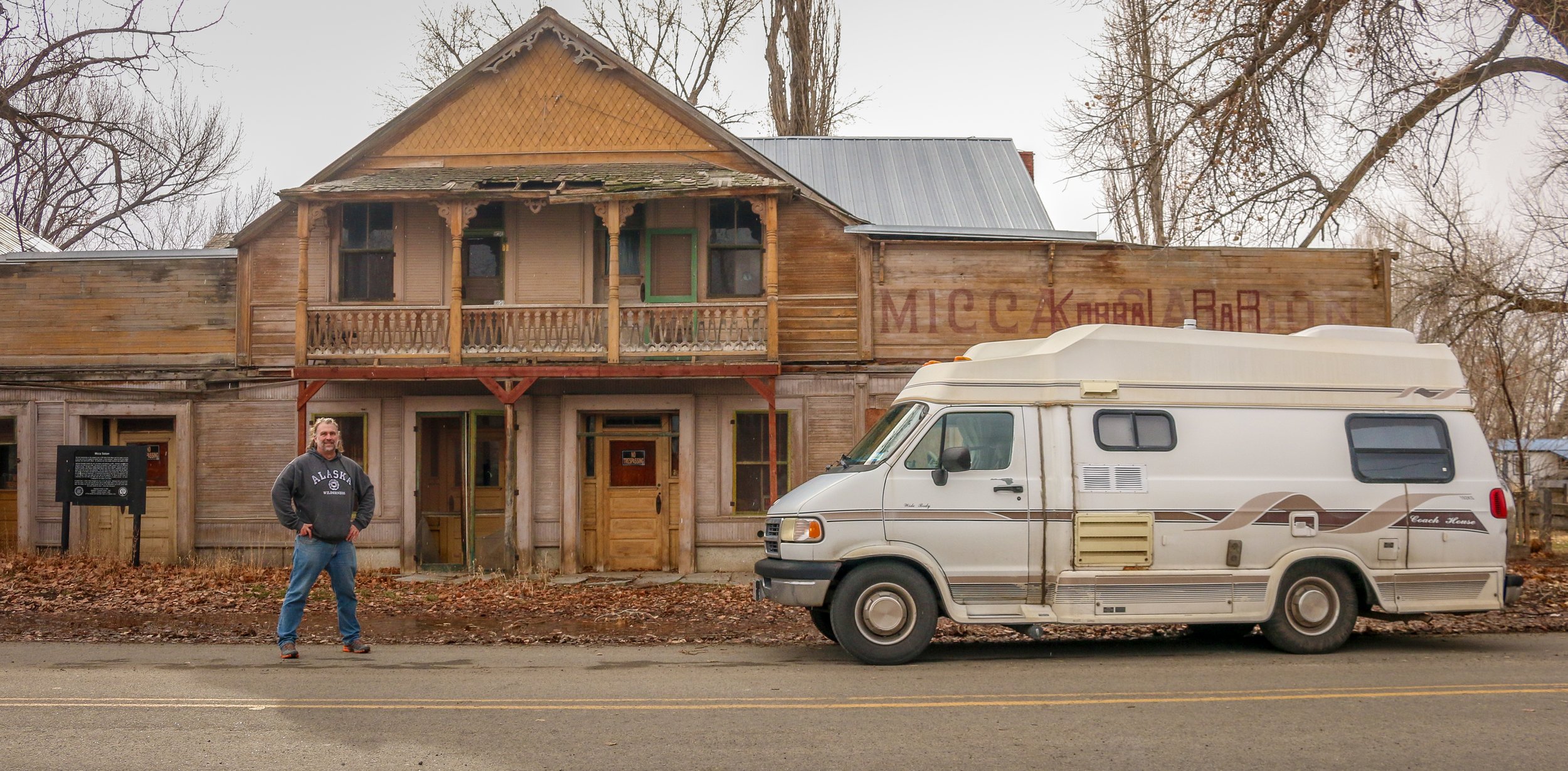
Originally home to the Northern Paiute people, the first non-native person to come through the valley was probably Peter Ogden of the Hudson’s Bay Company, who arrived in 1828. Settlers came to the valley in 1863 and after trouble with the Paiute, Fort Winfield Scott was built for protection. Perhaps because of that, the town that grew up there was originally named Scottsdale and helped supply the area’s mines. It was renamed Paradise City in 1869 and Paradise Valley much later.. The catholic church in town is a reminder of the area’s Italian and Basque heritage. In the 1930s, the Civilian Conservation Corps (CCC) had a camp in town (which is still there today). They were responsible for building the Hinkey Summit/Canyon Creek Road as well as several stone bridges and buildings in the area. Agriculture is the main economic driver in the region these days. Paradise Valley is perhaps best known as the hometown of actress Edna Purviance who appeared in almost 30 films with Charlie Chaplin.
While I came to photograph the cool, old buildings in town, there are some beautiful new homes around as well. The two churches were beautiful and well kept and the saloon looks like it gets quite lively at times. It seems like it would be a wonderful place to live if you wanted to get away from it all. Today, Paradise Valley is home to just over a hundred people. It’s not really close to anything, but if you ever get the chance, stop by and have a wander. You’ll be glad you did. I hope you enjoy these photos from Paradise Valley, Nevada - Humboldt County’s not quite ghost town.
Hello Everyone!
It’s been a week of old towns, dusty bars and wide-open spaces as I made my way across the great state of Nevada along U.S. Highway 50. U.S. 50 is also called the Lincoln Highway and was established in 1913 as the first transcontinental road for cars. Back in 1986, Life Magazine called the stretch of U.S. 50 that crosses Nevada “the loneliest road in America”, something the local communities out here wear as a badge of honor. It’s a fascinating stretch of road that runs along the old Pony Express trail, was once a storied stagecoach route and was where the first transcontinental telegraph crossed the state. For some reason the railroad chose the northern route across Nevada which is where Interstate 80 runs today. That has left this stretch of road far less traveled and far more interesting and the historic (and active) mining towns along the way are all worth a visit in their own right. It’s one of my favorite road trips in the country and one I’ve made several times over the years, but it was nice to take an extra day or two and not feel rushed in the crossing…
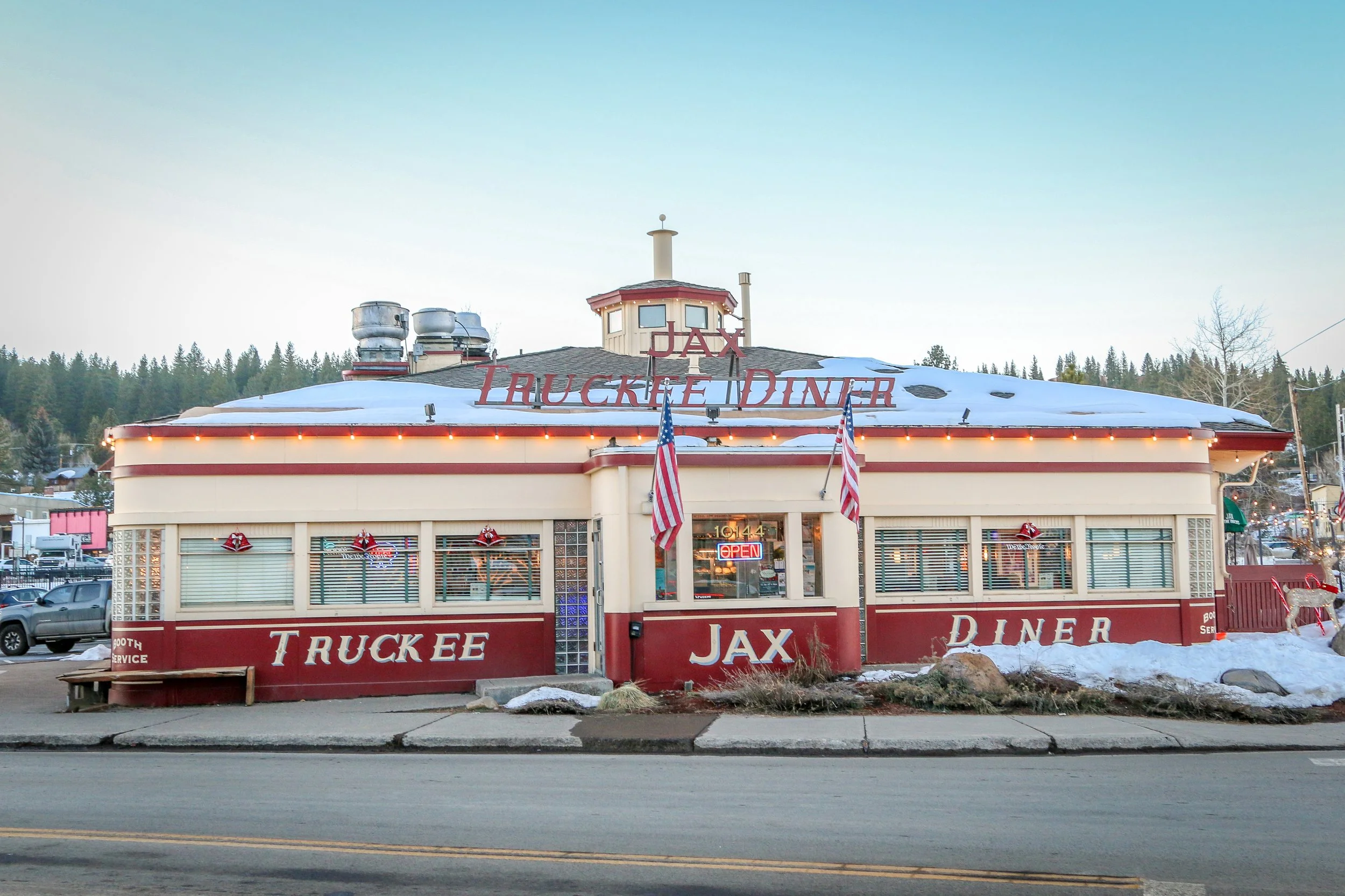
Truckee is an adorable little town nestled in the Sierra Nevada Mountains just over the border into California from Nevada. Originally Paiute Indian land, Truckee gets its name from Chief Truckee who welcomed early settlers and helped them traverse the pass through the Sierras. Among the earliest American emigrant parties to pass through the area was the ill-fated Donner Party who only made it a little ways further up the mountain before getting snowed in by early winter weather in 1846. As more emigrants arrived, a roadhouse sprang up to supply them. Later, the Truckee River gorge would be the route chosen for the transcontinental railroad with Truckee named as a station location, and the town would grow up around it. Truckee was the site of one of the country’s first ski lifts, and skiing is one of the area’s major tourism draws. In the summertime, there are plenty of trails to keep people coming and, with Lake Tahoe just a 25 minute drive away, the town keeps pretty busy year-round. Truckee is a great place to visit with lots of character and some great old buildings. If you’re ever in the area, pop on in for a visit. You may find yourself staying longer than you thought you would. I hope you enjoy these photos from wonderful Truckee, California.
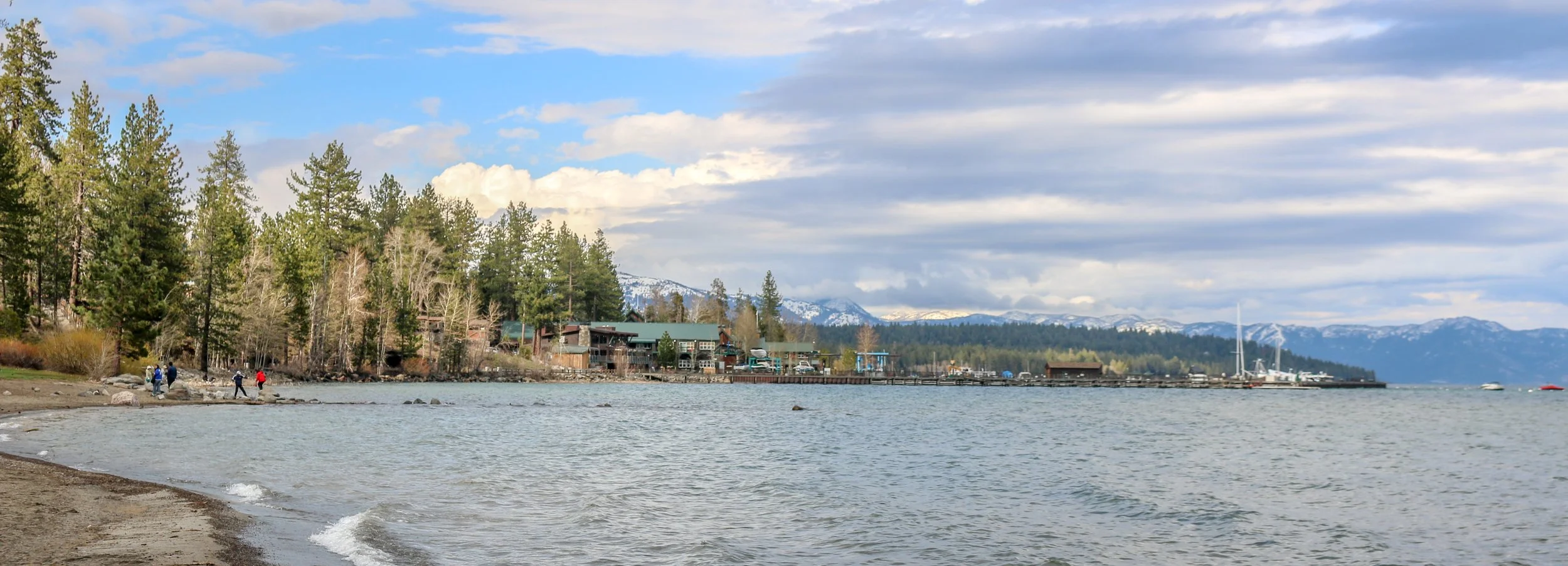
Hello Everyone! It’s been a lovely week here in the greater Lake Tahoe region. The weather has been cold, but also clear and sunny and hard to beat for the middle of January. I’ve spent most of the week catching up with old friends and taking it slow which has been really nice. I did get out for a day on the slopes in South Lake Tahoe while I was here which was awesome and a real treat. It’s about time for me to hit the road again and head out across Nevada, but it’s been a nice break here in the mountains among friends…
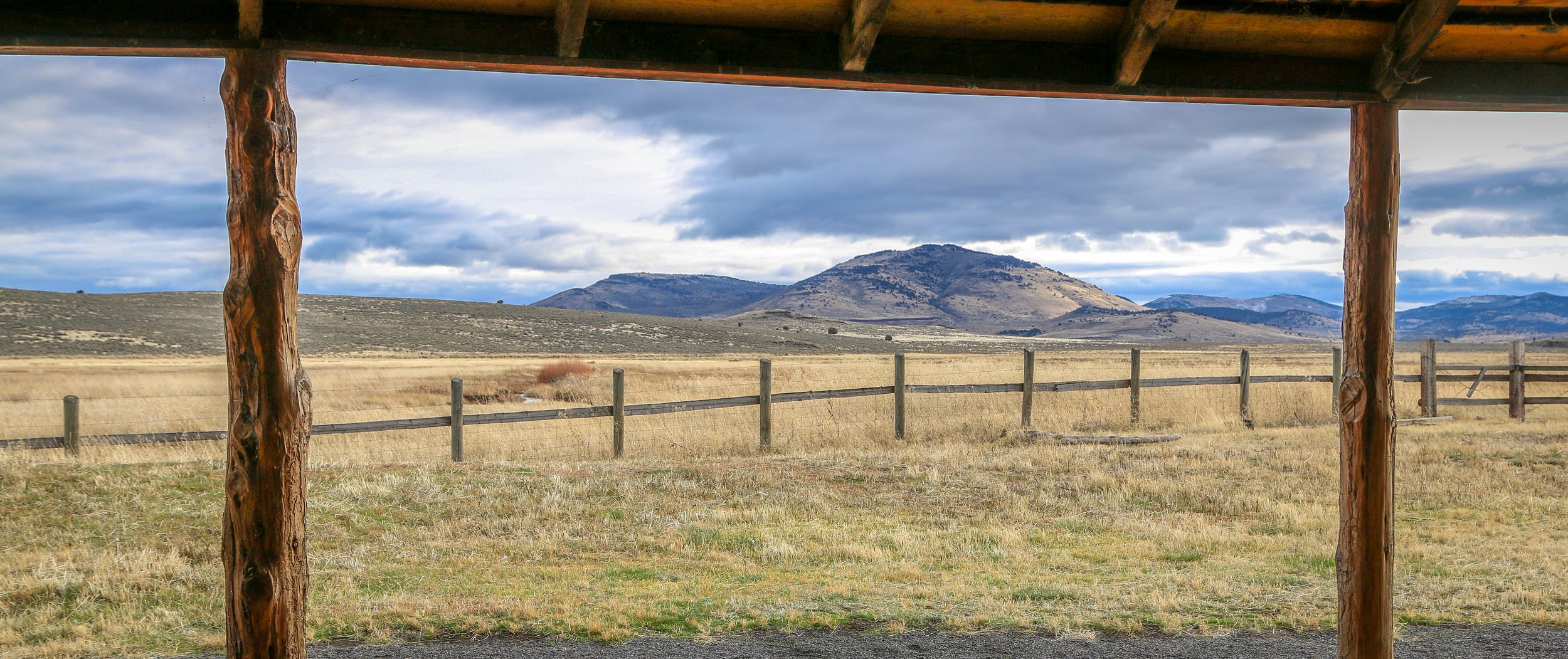
When you say the word “Oregon” to most people, it’s highly unlikely that any of the photos in this post would pop into their heads. Most people picture The Beaver State as a lush, green place full of rivers and waterfalls or maybe the rugged coastline of Western Oregon. But the southeast is an important piece of the puzzle as well. Desert valleys and volcanic craters, snow dusted mountains and rugged frontier towns make up this corner of Oregon and it’s a fascinating place to visit. When I was there I had it almost all to myself. The people of the region are tough and life isn’t necessarily easy out there, but the wide open spaces sure let your soul breathe a little bit. If you ever get the chance, come for a visit. You may find yourself lingering longer than you thought you would. This ain’t Portland and it’s not trying to be. I hope you enjoy these photos from the beautiful southeast of Oregon, a very different side of the Beaver State.
One of the west’s most fascinating historical figures to me has always been Chief Joseph of the Wallowa Nez Perce. Joseph was both a warrior and a peacemaker but ended up in an impossible position in 1877 after a treaty guaranteeing his band’s place in the Wallowa Valley was broken and four white settlers were killed by his people in the aftermath. He fled towards the Canadian border with his band but was overtaken just shy of the border. In the aftermath of what has become known as the Nez Perce War, the Wallowa band was resettled on the Colville Reservation in Washington which I visited late last year. Joseph traveled far and wide speaking on behalf of his people and never gave up hope of returning to his beloved Wallowa Valley. He spoke so fondly of it that I knew I had to go visit the area when I had the opportunity. What I found was a stunning valley, surrounded by mountains and ribboned with rivers and lakes, As soon as I descended into the valley I could see why Chief Joseph was so passionate about it. In addition to being their traditional homeland and the place where their dead are buried, it clearly provided them with everything they would have ever needed.
Nestled in the heart of the Wallowa Valley is the town of Enterprise, an adorable little mountain town founded in 1886 and now home to about 2,000 people. Enterprise is both the county seat of Wallowa County and the main supply town for the region. The railroad arrived in 1908 allowing the Eastern Oregon Lumber Company to form a few years later. Lumber is still a major player in the local economy and, along with the local ranching operations, helps keep the town afloat. I loved the little historic downtown core which is clean and well-kept, and dinner at the Range Rider was also a treat. I thoroughly enjoyed my time in Enterprise and the Wallowa Valley and I hope you enjoy these photos from my visit.
Hello Everyone! It’s been a cold week out here on the road with nighttime temperatures dipping into the single digits. While I’m always prepared for the cold and have plenty of warm clothes and blankets, it’s no fun getting out of bed in the morning. Thankfully it’s also been a week of catching up with old friends and tagging along with them on their adventures so my spirits have been high all week. I started my week in Winnemucca, made my way across the top of the state on Interstate 80 and am finishing my week here in Reno, “The Biggest Little City in the World”.
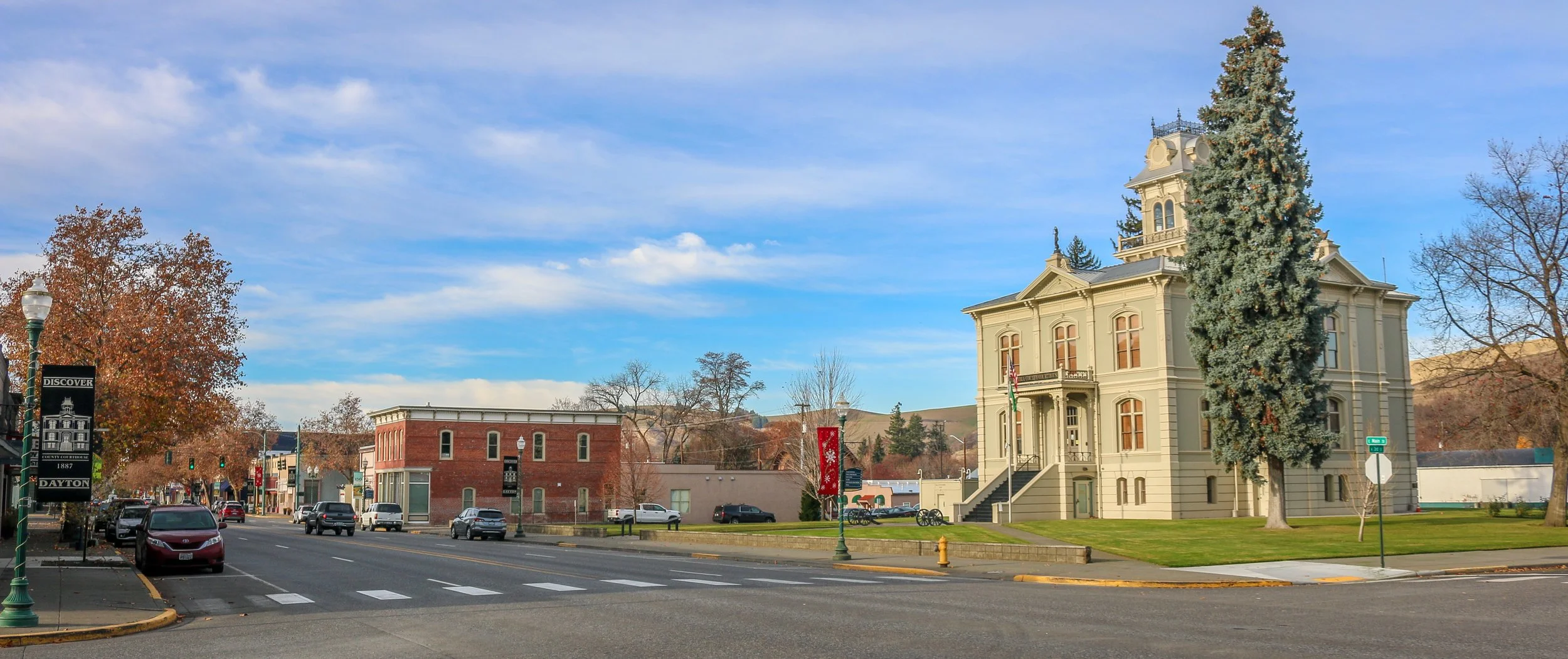
When I drove out to Palouse Falls I knew it was in the middle of nowhere and I knew I would stay until sunset. What I didn’t know is where I would end up for the night. I figured I’d just drive until I found somewhere good. When I pulled into Dayton, I knew I was there. Dayton is the cutest town I found anywhere in the Pacific Northwest. The historic 1881 train depot (Washington’s oldest), the circa 1887 county courthouse, the old schoolhouse and the historic Liberty Theatre are so quintessentially small-town America that they made me smile from ear to ear. The bustling main street with the delightful Moose Creek Bakery and the wonderful Buckwheat Brewery was great too. I think what made me smile the most, though, was their undeniable local spirit. It seemed as though everyone in town was supporting The Bulldogs with hand painted signs in almost every window. I had a wonderful stay in Dayton and lingered longer than I ever would have imagined. I hope you enjoy these pictures of beautiful Dayton, home of The Bulldogs and Washington’s picture perfect small town.
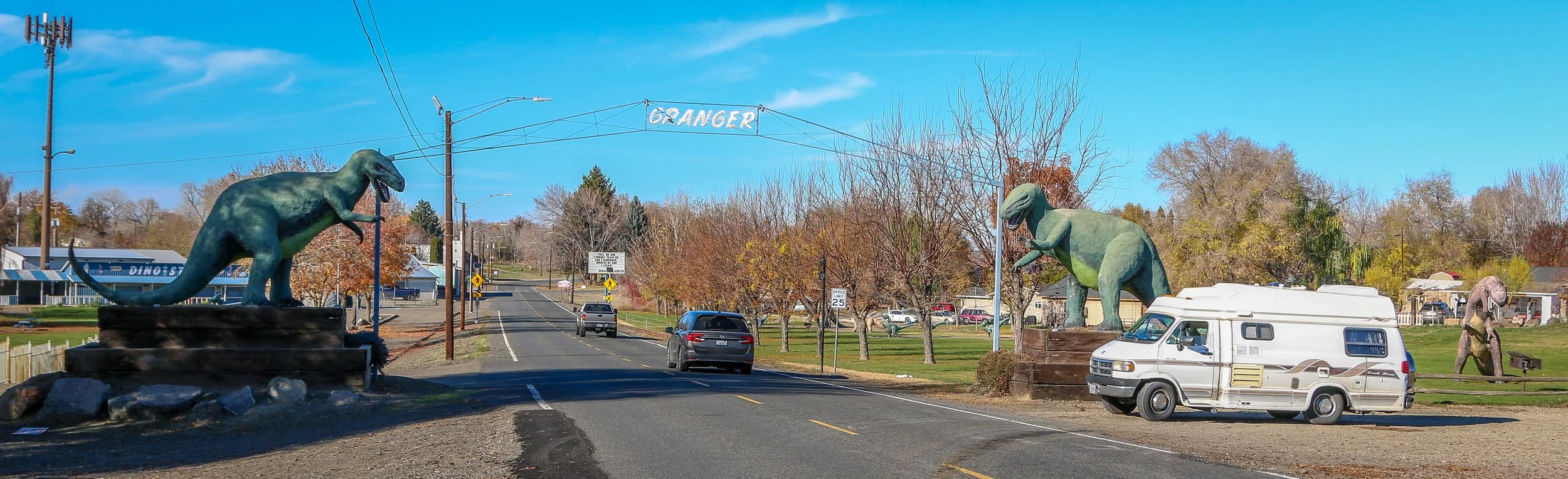
Because when you’re driving in the middle of nowhere and you look to your left and see dozens of dinosaurs roaming through a little town, you just have to stop and take a look. When you’re 100% sure that they’re not moving, you can get out and take some photos. Granger installed its first dinosaur statue in the 1990s in an effort to attract tourism (keeping in mind that Jurassic Park came out in 1993). There are now over 30 dinosaurs around town and Granger hosts their annual DIno-Days each June. I thought it was a fantastic little town and definitely worth a stop. I hope you enjoy these photos from Granger, Washington - The City Where Dinosaurs Roam.