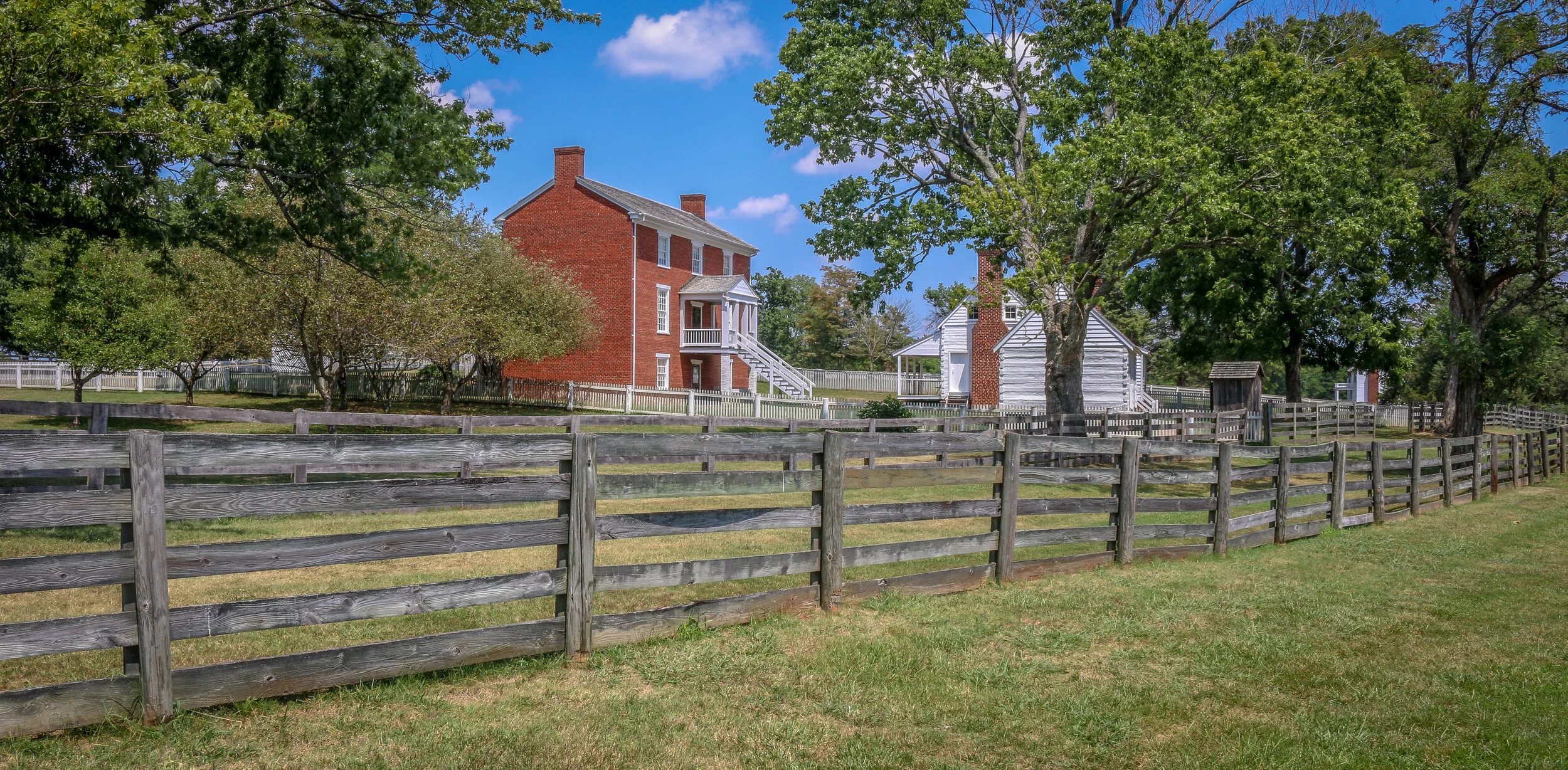
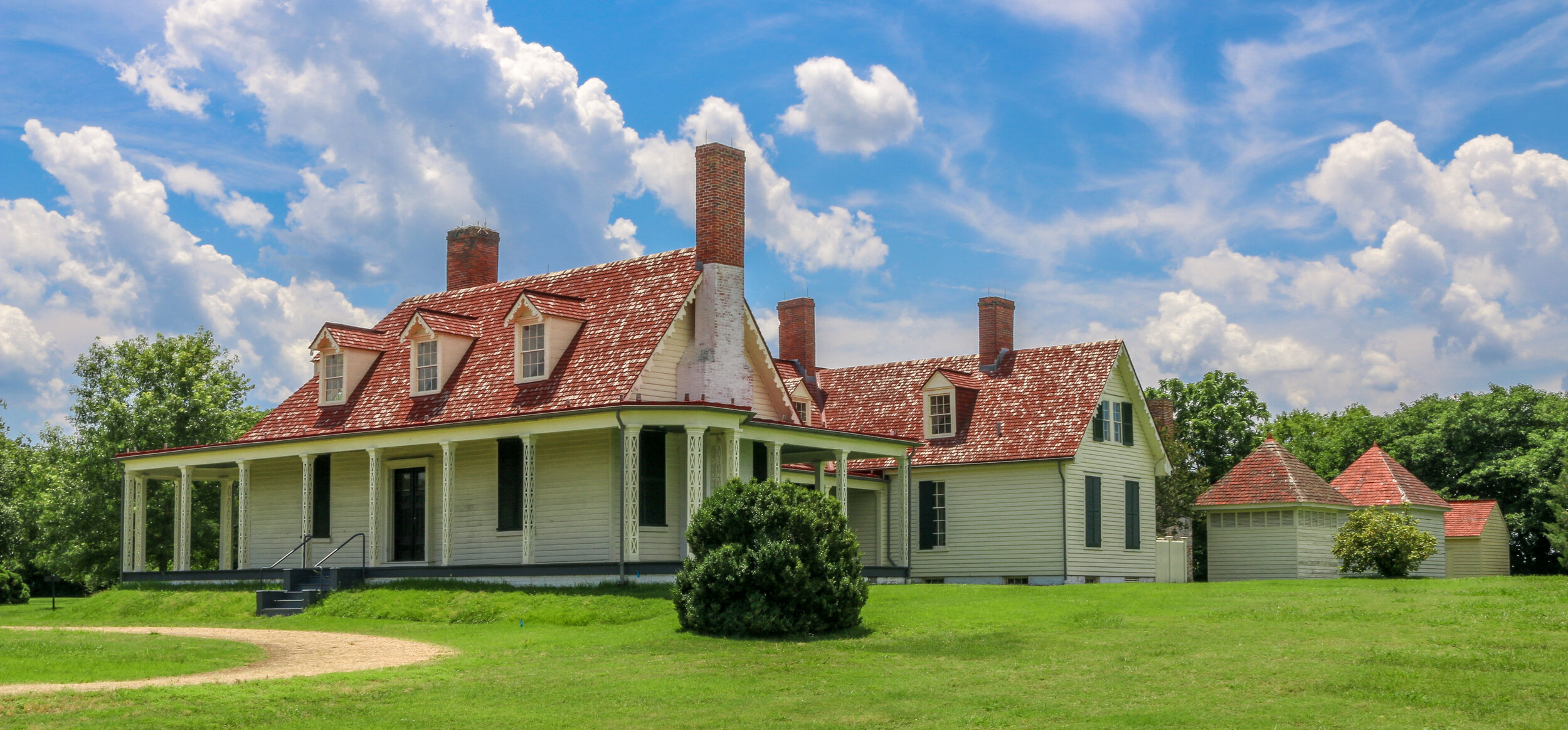
The photos below come from a recent visit to Appomattox Court House National Historical Park near the town of Lynchburg, Virginia. It was the site of the surrender of the Army of Northern Virginia which effectively ended the American Civil War.
After the siege of Petersburg and the fall of the Confederate Capital at Richmond, General Robert E. Lee led his Army of Northern Virginia west with the hopes of turning south to North Carolina and joining with General Joseph Johnson’s army there. They moved towards the train depot at Appomattox Station hoping to find much needed supplies waiting for them there. Union General Phillip Sheridan and his cavalry arrived first, capturing the supply trains and forcing Lee to turn his thoughts towards Lynchburg instead. Surrounded by Union troops, they made one final push at dawn on April 9th, 1865. It didn’t take long to realize that they were surrounded and Lee called for a meeting with Ulysses S. Grant to discuss the terms of surrender.
The site chosen for this conversation was the home of Wilmer McLean in the tiny village of Appomattox Court House. The generals met in the parlor, recreated above, to hammer out the details. The terms offered were very generous as the Confederate soldiers were to be immediately paroled and even allowed to keep their horses and sidearms. Their parole papers were printed in the nearby Clover Hill Tavern. The Southerners marched into town, stacked their rifles, turned over their cannons and marched out. While the surrender of Lee’s Army of Northern Virginia was not the end of the Civil War, there was little chance or hope for the Southern cause in its aftermath. The war would technically drag on until early summer, with skirmishes across the south, but the surrender at Appomattox Courthouse was the beginning of the end. Four long years of fighting which cost over 600,000 lives was finally nearing its conclusion…
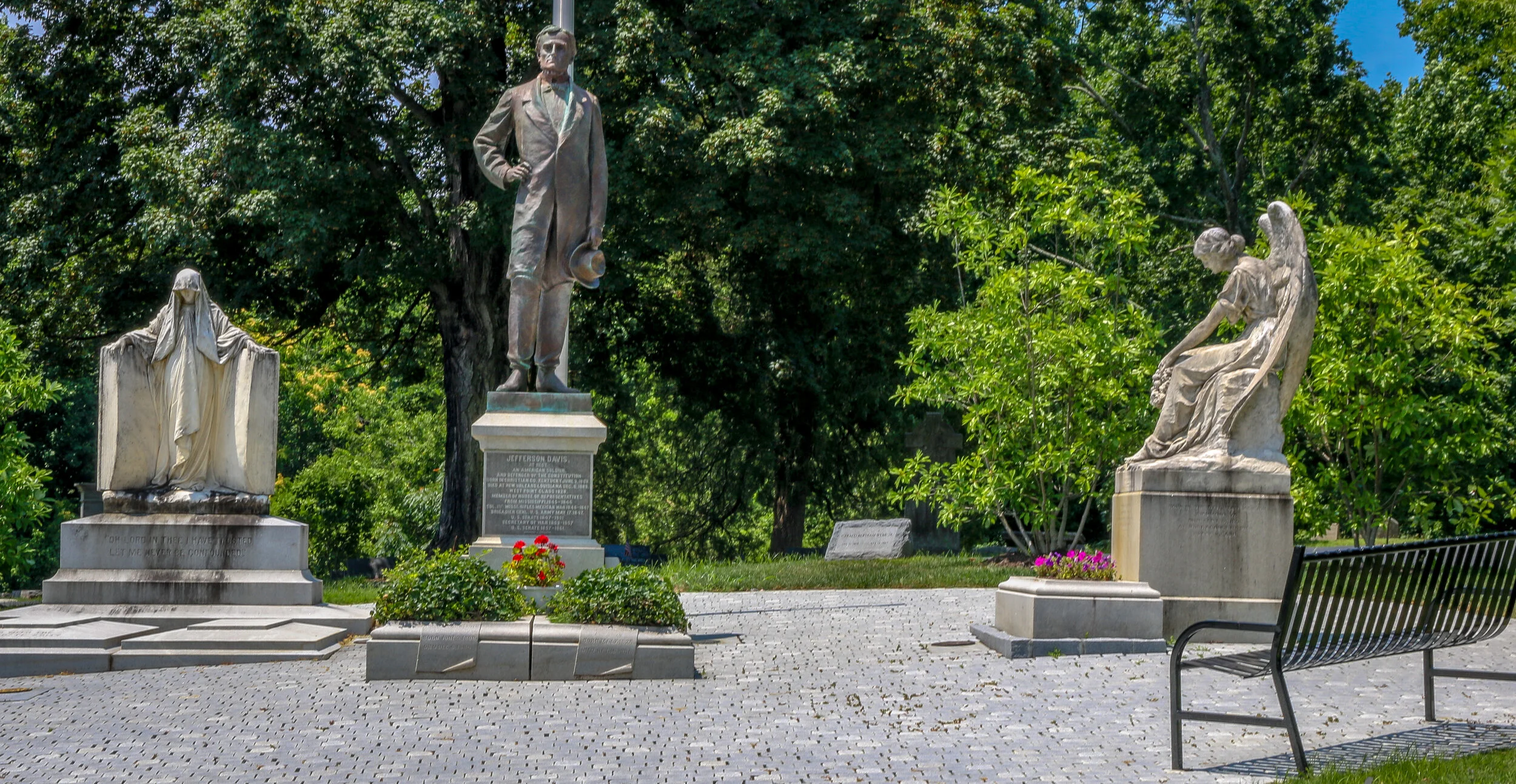
Hollywood Cemetery is a beautiful, sprawling old cemetery overlooking the James River just west of downtown Richmond. Established in 1849, Hollywood Cemetery is the final resting place of two U.S. Presidents, James Monroe and John Tyler, and Jefferson Davis, the only President of the Confederacy. Also buried at Hollywood are 28 Confederate Generals including JEB Stuart and George Pickett as well as a considerable number of Confederate soldiers, both known and unknown. The Monument of Confederate War Dead is found there as well in the form of a 90 foot pyramid dedicated in 1869.
We enjoyed our visit to Hollywood Cemetery and spent several hours there. It has quite a history and some beautiful examples of funerary art. The President’s Circle includes the two presidents mentioned above and local celebrity burials as well. The south side of the cemetery offers beautiful views of the James River and Downtown Richmond. We used the Girl Scout Self-Guided Tour Pamphlet (found HERE) to help us find our way around. It can be tricky, but it’s not big enough to get really lost. I hope you enjoy these photos from Hollywood Cemetery.
Hello everyone, well another week has rolled by us and it has not been a bad one here on the homefront in Washington D.C. One of my friends got engaged this week, another announced a pregnancy and still another welcomed a new grandchild into the world so those were some real positive boosts. I’ve been getting some good walks in around the neighborhood despite mid-summer temperatures and high humidity levels and have been enjoying the podcast Civil War Talk Radio as I walk. It’s been great to hear some expert historians discuss some very specific issues of the war. I’ve been trying to keep myself hydrated which as silly as it sounds has been really helping me feel better. I’m usually really good at hydrating, but seem to have let it slip amidst all of the chaos of late. I’ve also been trying to keep a little further from the news and have been picking my guitar more and reading some less heavy material. I’ve started rereading Steinbeck’s Travels With Charley, one of my favorite American travel books of all time, as I start to gear up to get back to writing my own book. I had charged ahead with it when I first got home, but realized I needed to focus more and plan it out a little better to keep the story moving and make it more readable and interesting. That’s tough because every day I was out on the road was a new adventure and had an impact on the journey, but the book can’t be a thousand pages long, so I will need to map it out a little better. I hope to start putting pen to paper a little later this week.
Also this week I decided to pick up a violin seriously for the first time in 30 years. When I was in Junior High School, I used to play violin and I was actually fairly decent at reading music. Unfortunately, I was not very interested in it because I didn’t know any of the songs my teacher wanted me to play. While she said I played them well, how could I know? I have always likened it to cooking a recipe for something you’ve never eaten before, you may think it tastes just fine, but if you don’t know how it’s supposed to taste, you’d never know. Anyways, in the intervening years, I’ve seen the violin played in very different styles of music in my travels around the country and around the world (although in these styles it’s often referred to as a “fiddle”, it’s the exact same instrument). I’ve seen lots of live bands playing traditional Irish music or country, mountain and folk music and I really enjoy it. About 2 years ago when I was in Nashville I went ahead and bought one thinking I’d give it a shot on the road – it’s a relatively small instrument and I found a place for it in my van. I had romantic images in my head of sitting in the back of my van at night and playing beautiful music before bed. Sadly, I realized that the violin actually takes some space to play with the bow going up and down and my van was too tight to really make it happen. And so it just sat there. I found the space for a guitar instead which takes more room to carry but less room to play. This week I pulled out that violin though and took it for a spin. I was pleasantly surprised that with a little refresher from a book and the internet I could remember how to read music and with some sheet music of songs I actually know I could actually play them that first night (not well, but recognizable). I was impressed and really enjoyed it. Sadly, when I pulled it out last night the bridge fell off and I spent an hour trying to restring it and it was generally a big frustrating mess. But I hope to get it fixed and continue playing with it. This was another big plus this week.
The news has, as always seems to be the case recently, been a big minus. Covid cases continue to grow at a rapid rate in the U.S. and people continue to ignore it. Although we have only about 4% of the world’s population, I believe we now have over a quarter of the world’s cases…
The photos below come from a recent visit to the battlefields of the greater Richmond/Petersburg Area. With the exception of the first few from Gaines Mill which was important to the Peninsula Campaign of 1862, most of these battles were part of the 1864 Overland Campaign. This long, brutal and bloody series of battles would eventually lead to the capture of Petersburg and the fall of Richmond which set the stage for the surrender of the Army of the Potomac at Appomattox. Civil War Chronicles will trace the major battles of the Eastern Theater of the war through photos and brief histories
Richmond was not the original capital of the Confederacy, but became the capital after Virginia seceded from the Union in April of 1861. Richmond and neighboring Petersburg were major industrial hubs with rail lines connecting to points near and far and the James River to further move supplies in and out of the area. The rivers surrounding the city made defending it somewhat easier as well. Because of the strategic importance of Richmond, it would be the focus of several major campaigns during the war.
Our visit started at Gaines Mill Farm which saw some of the worst fighting of the Seven Days Battle during the Peninsula Campaign of 1862. This battle was the first in which Robert E. Lee had command of the Army of Northern Virginia following the wounding of Joseph Johnston. Lee’s ability to hold off George McClellan and his Union forces would direct the war away from Richmond and back to Northern Virginia to Fredericksburg and Chancellorsville which we visited several weeks ago…
Hey y’all. How’s everyone doing out there? Another week has come and gone sheltered in place here in Washington D.C. It’s had its ups and downs, like every week has, but I’m feeling a lot more positive this week than I was last week. I’ve gotten out of the house more (though not as much as I need to be), and have gotten back to playing my guitar and avoiding the news as much as possible. As July begins, it continues to heat up here in our Nation’s Capital, and 90+ degree days with high humidity are prevalent in the forecast. I’m getting up earlier to get my walk in before the heat really takes hold of the day and trying to get outside in the evening as well when it cools off again. Meanwhile I’ve been eating a lot of watermelon because really is there anything better than cold watermelon in the middle of a heat wave? I can say that before this summer I only knew how to cut a watermelon into slices. Now I’ve watched some videos on the subject and can cut a whole one into chunks pretty easily (seriously, there are some fascinating methods out there). I’ve also found that making watermelon balls, covering them in vodka and freezing them are quite the treat! In short, despite the heat it’s been a decent week and watermelon is delicious.
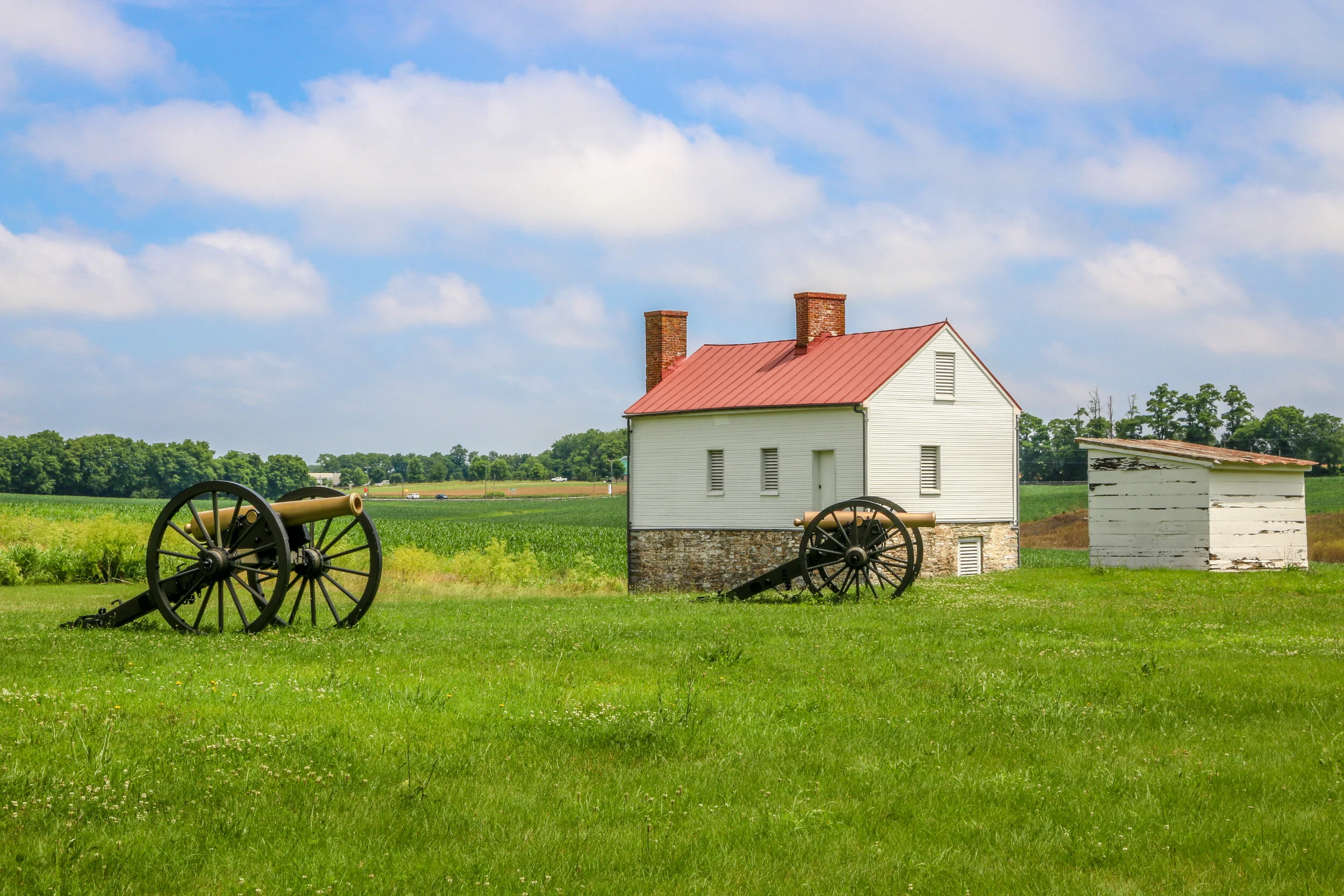
Thursday was an interesting day. As a follow-up to our Tuesday trip to Monocacy Battlefield, we wanted to go and visit Fort Stevens, the site of the only Civil War battle fought inside Washington D.C. After the 1864 Battle of Monocacy, Confederate General Jubal Early trained his sights on the Nation’s Capital. Thankfully, the delay at Monocacy had allowed reinforcements to be brought north from Richmond in steamships and the Confederates were turned out. President Lincoln was there that day and it was the only time that a sitting president has come under enemy fire during a war.
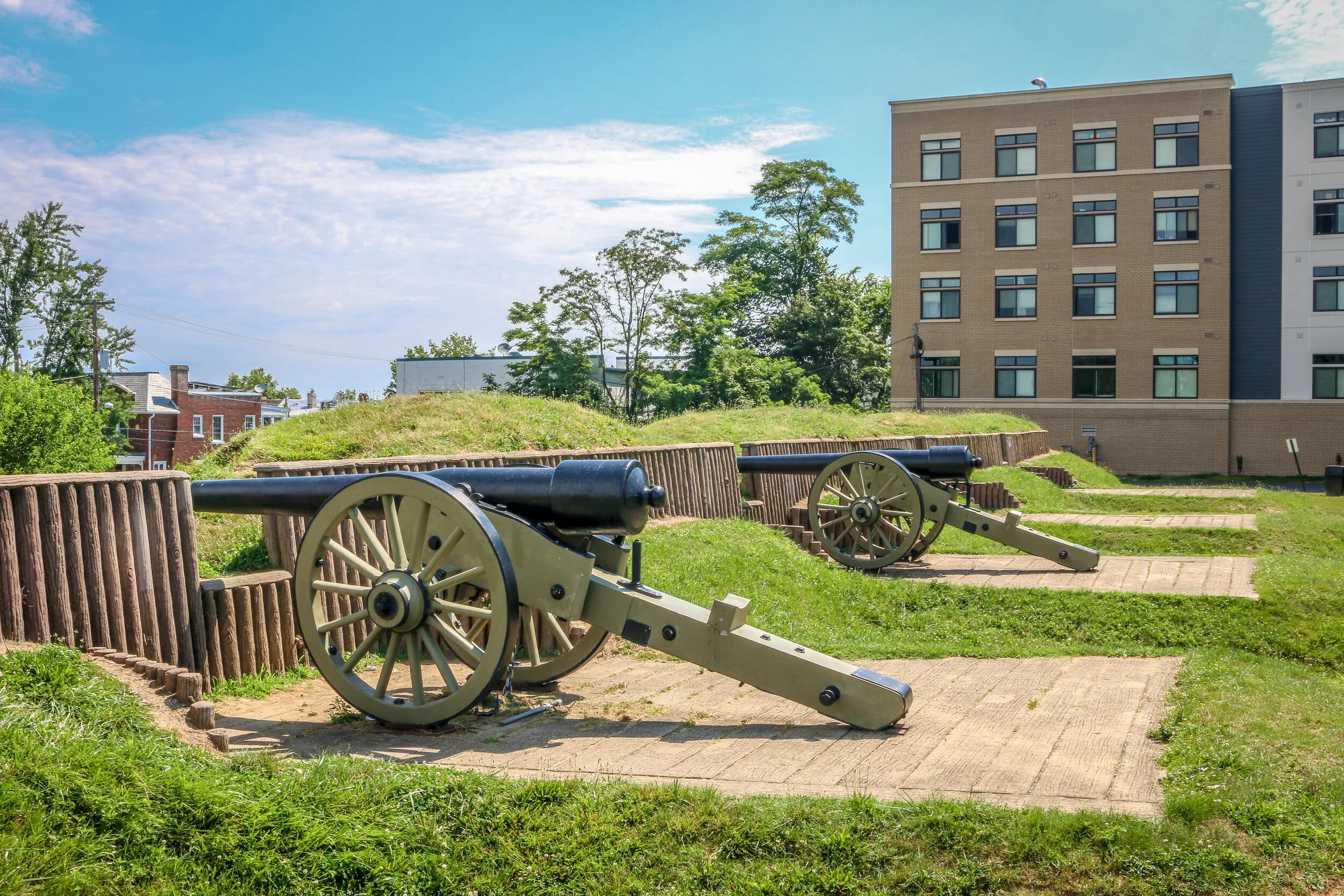
Having been rebuilt by the Civilian Conservation Corps during the New Deal and now administered by the National Park Service, Fort Stevens is the only one of our many forts which actually looks like a fort as most have been turned into parks and receded into the landscape. There isn’t much to it, but it’s only 10 minutes from our house so it was an easy place to visit. After wandering around the fort, we headed up Georgia Avenue to Battlefield National Cemetery, where 40 of the Union soldiers who had been killed during the battle are buried. With just an acre of property in the heart of the city, it is one of the smallest National Cemeteries in the country, and is really quite interesting to visit…
The photos below come from a recent visit to Fort Stevens in Washington D.C. - site of the only battle fought inside D.C. during the Civil War, and of Battleground National Cemetery up the street. The final photo came from Grace Episcopal Church in Silver Spring, MD. Civil War Chronicles will trace the major battles of the Eastern Theater of the war through photos and brief histories.
After overcoming Union General Lew Wallace and his men at the Battle of Monocacy on July 9th, 1864,, Confederate General Jubal Early continued his march towards the Capital of Washington D.C. The Confederate soldiers made the march in two days. Thankfully, Wallace had delayed the Confederates long enough for General Grant to send reinforcements via steamship from Richmond who soon took up position in the northern section of the circle of forts surrounding the city. Fort Stevens guarded the 7th Street Pike, one of the main roads into the city (now Georgia Avenue).
The armies exchanged fire on July 11th and 12th, but Early felt the city was too heavily defended to mount a full scale attack. Both sides lost men in the skirmishing, but casualties were relatively light by Civil War standards. Notably, President Abraham Lincoln came to Fort Stevens on July 12th with his wife, Mary. The two came under fire, the only time in American history that a sitting president was in the direct line of enemy fire. A memorial stone on the parapet marks that location today. That evening, Early would withdraw his men through Maryland and cross the Potomac back into Virginia, marking the end of the final Confederate attack into the North. They paused briefly en-route to bury 17 of their dead comrades at Grace Episcopal Church in Silver Spring…
Hey y’all, I’m not going to lie, it’s been a tough week for me personally. I think this whole process has brought waves of emotion for us all, and I’m grateful that I have had peaks in the midst of it, but this week was definitely more of a valley. And don’t get me wrong, valleys can be beautiful places, you just don’t see the sun as often when you’re in them.
Last week I wrote about the permanent closure of the tour company I’ve worked for through much of my adult life. It’s a company which was founded three years before I was born and which I guess I expected to be there, in one form or another, indefinitely into the future. The company and I had found a good rhythm, one which worked really well for us both. For me, it allowed me to do something which I enjoy and which I’m good at and which allowed me to travel to beautiful places, hike often and practice my photography. In return, my company got a true professional career guide who could work independently and be gone for months at a time with minimal supervision while still producing high quality tours and satisfied customers. I could make enough money in a few months to pursue my other interests during the rest of the year and I think it’s been a pretty fair and balanced relationship. While there are other companies out there and I know that my experience will land me a job in the future, it won’t have the same shared history for me. Couple that with the uncertainty of the when’s and where’s and it has left me less upbeat about the future than I usually am. And that, for me, is a problem. If you’ve been following this blog long enough, you know that I suffer from depression and anxiety and that travel helps me cope with both. In the past, when things have gotten bad for me, I’ve inevitably been able to look optimistically towards the future and find some point in my mind where things are okay and things are better. And even when I didn’t necessarily think I would be going back to guiding, it was always there as an option and thinking about a fresh season in a new van could always bring me out of a funk. While I know that somewhere out there is a new season with a new company or perhaps a better option which I haven’t even considered before because I haven’t been forced to look for it, it’s taken a few days of mourning to reach that point.
In addition, it’s been a tough few weeks of watching the news and social media with everything which has been happening in the U.S. I find myself, as usual, torn when it comes to so many things. Over the last 20 years, I’ve traveled to all corners of the U.S. and met wonderful people everywhere I went of all shapes, sizes, shades, ages and backgrounds. Americans, generally speaking, are kind, hardworking people struggling to find a path forward and doing the best they can.
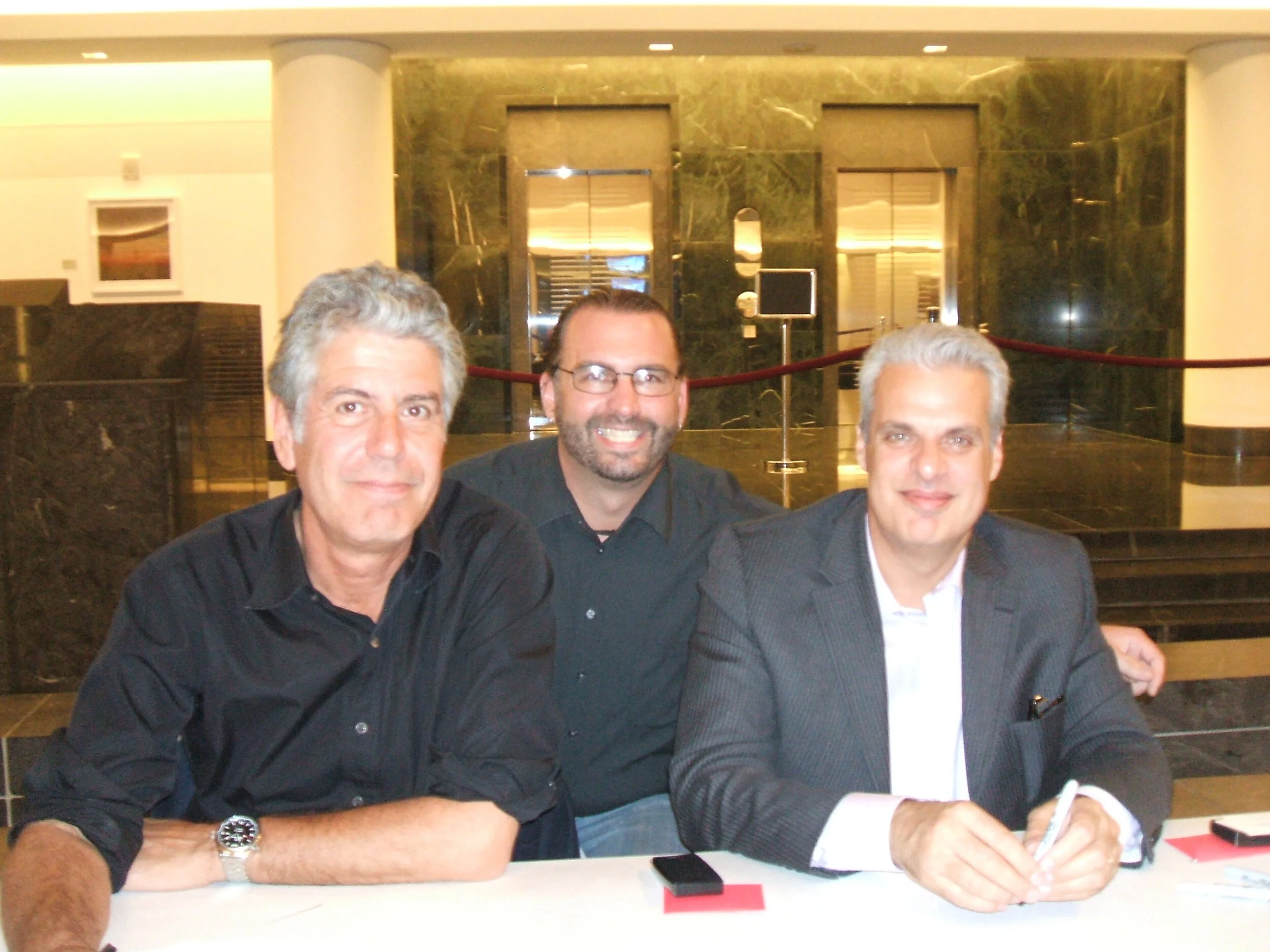
They say a picture is worth a thousand words. Here’s a picture of me, Anthony Bourdain and Eric Ripert at the Warner Theater in D.C. and the story of how I came to meet these guys that night in 2010.
I’ve never been much on celebrity heroes. I’ve always thought it was a little strange that people will idolize a musician or an actor because it always feels to me like they are idolizing a character, not a person. Most rock stars and movie stars are playing a role and are very different when they are off camera, so to me it’s a bit like looking up to a character in a book like Atticus Finch or Tom Joad. On the other hand, there are people you come across at times in your life when you really need a hero and maybe their songs or their movies are the things that keep you going. Anthony Bourdain was that person for me.
After spending my twenties guiding multi-week tours of the U.S. all summer and spending my winters traveling the world, I finally gave in to the pressure to “grow up” and “get a real job”. Coupled with that was my desire to help out in the wake of Hurricane Katrina in New Orleans which is how I found myself wearing a tie and teaching junior high school math. The times were tough as was the job itself, but it was the dramatic lifestyle change that affected me the most. After so many years on the road, I was all of a sudden faced with rent and bills and trying to make the most of my weekends. I’m not going to lie, “the real world” wasn’t all it was cracked up to be. I found myself struggling from paycheck to paycheck and from one week to the next. Going from my tour guide salary to a teacher’s salary seemed like a big jump, but after all of my bills it really didn’t leave much and I ended up getting a second job working three nights a week waiting tables. It was all a bit much.
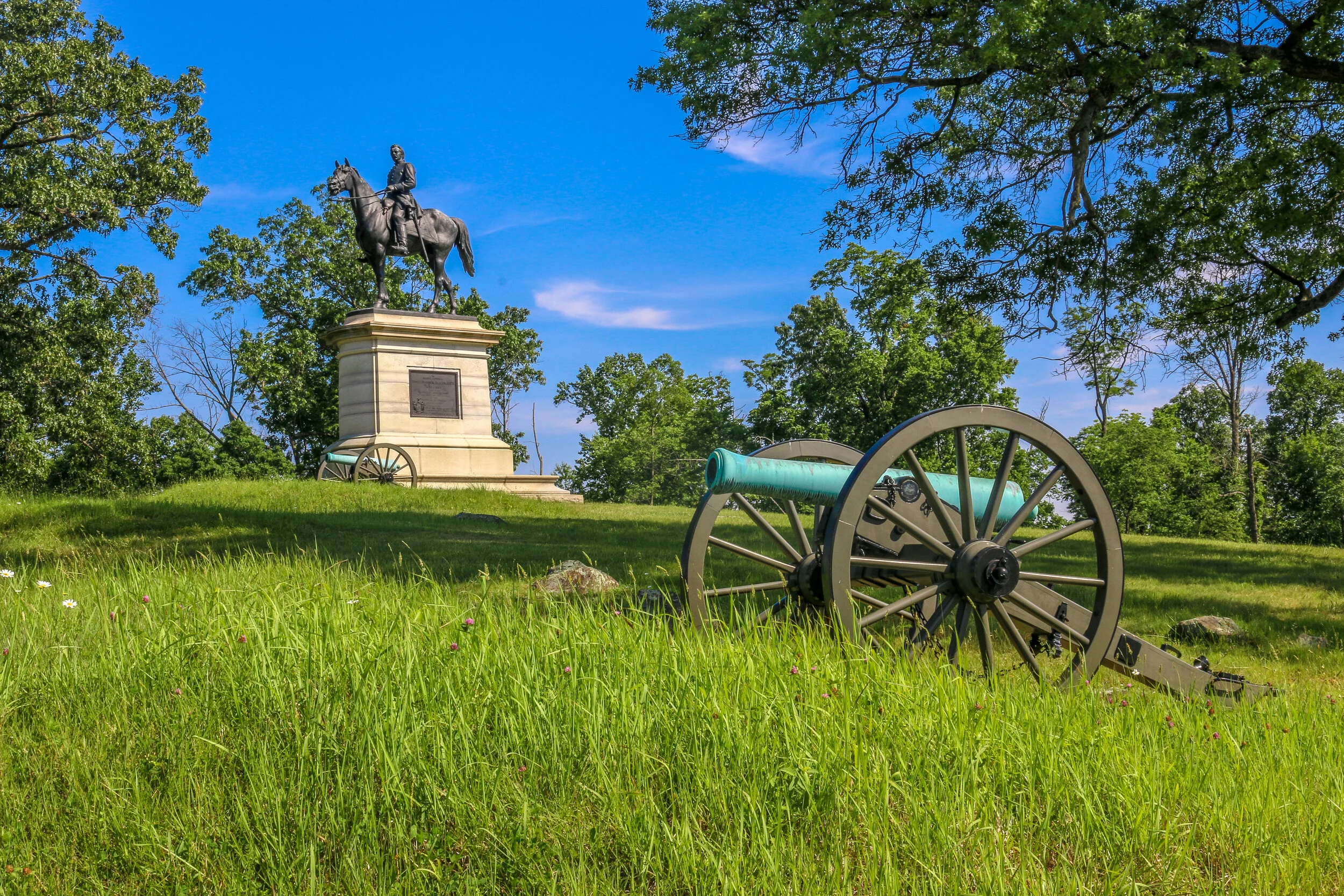
The Battle of Gettysburg which took place from July 1st-3rd, 1863 would be the bloodiest battle of the Civil War. 170,000 men would clash over those three hot days in July and over 50,000 would end up dead, captured, wounded or missing. While both armies were looking for a fight, neither expected it to be in this tiny Pennsylvania town.
After his dramatic victories at Fredericksburg and Chancellorsville, General Lee decided to once again push north into Union territory. He wanted a decisive victory on Northern soil to try and force President Lincoln to the negotiating table. Lee marched his Army of Northern Virginia north, crossed the Potomac River and moved through Maryland and into Pennsylvania. The Union’s Army of the Potomac, still under the command of General Hooker, pursued. By the end of June, General George Meade had replaced Hooker at the helm…
The photos below come from a recent visit to Gettysburg National Battlefield, the site of the bloodiest and most well known battles of the war. Civil War Chronicles will trace the major battles of the Eastern Theater through photos and brief histories
It’s been a warm week here in D.C. – summer has definitely arrived. I’ve had some nice days to get out and explore the city this week, but also some hot and humid ones and a few epic thunderstorms as well. It’s been a long time since I’ve experienced summer in our nation’s capital, and there are definitely pluses and minuses. I will say that the lack of traffic anywhere at any time makes the heat of summer a little more tolerable. As I’m sure I’ve mentioned before, that lack of traffic definitely makes for cleaner air and clearer skies – something my camera sees even more than I do. That is one of the plusses of the situation. We’ve been enjoying some summer fruit too, which is one of the best things about summer anywhere. We’ve had beautiful cherries, watermelon, strawberries and others and I’m looking forward to peaches very soon.
Last Friday my stepfather made some wonderful homemade pizzas and we sat in the basement and played some games and listened to some music while we chowed down on a couple of pies. It was another great Forget-About-It Friday, which we are grateful for. This coming week we will tap our homebrew and see how it turned out, and begin our next batch as well – an American Cream Ale. I’m looking forward to having a taste and to keeping the brewing going while I’m home. It’s fun and there’s a (hopefully) fine finished product at the end. After the cream ale, I want to try something a little more complicated now that I’m getting my brewing confidence back up.
The rest of the weekend was pretty quiet. My mom spent Saturday cooking up a storm and we had a wonderful dinner on Saturday night as well. Sunday I spent some time reading my new (to me) book about the Gettysburg Address which I’m really enjoying. I also got some photos edited and published from our trip to Antietam last week, and got some writing done as well. It was a pretty relaxing weekend all around, but it felt good to accomplish a few things along the way.
They say a picture is worth a thousand words. In this series I’ve chosen one picture per post which brings out strong memories for me and has a story attached to it. This picture is of the Santa Monica Pier in Los Angeles, California, the place I first watched the sun set into the Pacific.
I was as far from home as I’d ever been.
When I went to college, my goal was to work for the National Park Service. My major was Wildlife and Fishery Science with a minor in American History. I spent five years working on two degrees to prepare myself for my career, but in the days of the infancy of the internet I really didn’t know what that career would entail. While there, I worked in the banquet department at a beautiful resort hotel and golf course and made pretty decent money for a college kid. I was, therefore, pretty disappointed when I started looking for a real job only to find that the only Park Service jobs available to me were 3 month temporary positions in parks I’d never heard of making $8 an hour. I couldn’t believe it – after five years of good grades and two degrees from an excellent institution I was only going to make $8 an hour? That was significantly less than I was making in my current job. And in three months I’d have to start all over again?
I decided to think on it for a while and headed to my summer home of Myrtle Beach, South Carolina. In my first “real world” lesson, I had to sign to a one-year lease to get a decent place to live, and went back to work at the restaurant I had worked at the previous two summers. Over the next year I worked a lot, drank too much and made some really good friends, some of whom are still my friends today, but didn’t make a lot of progress towards any career goals. I’d like to say it was fun, but looking back it just seemed like it was at the time. There were some great days, but life after college was supposed to be different.
After a year of spinning my wheels I found myself no further ahead than I had been when I arrived. I cut my losses, packed up my bags and headed north. I went back to Pennsylvania for a while, and then headed to Ocean City, Maryland for a few days to see what the work climate was like there. Nothing seemed to be working out, so I finally gave up and heading home to D.C
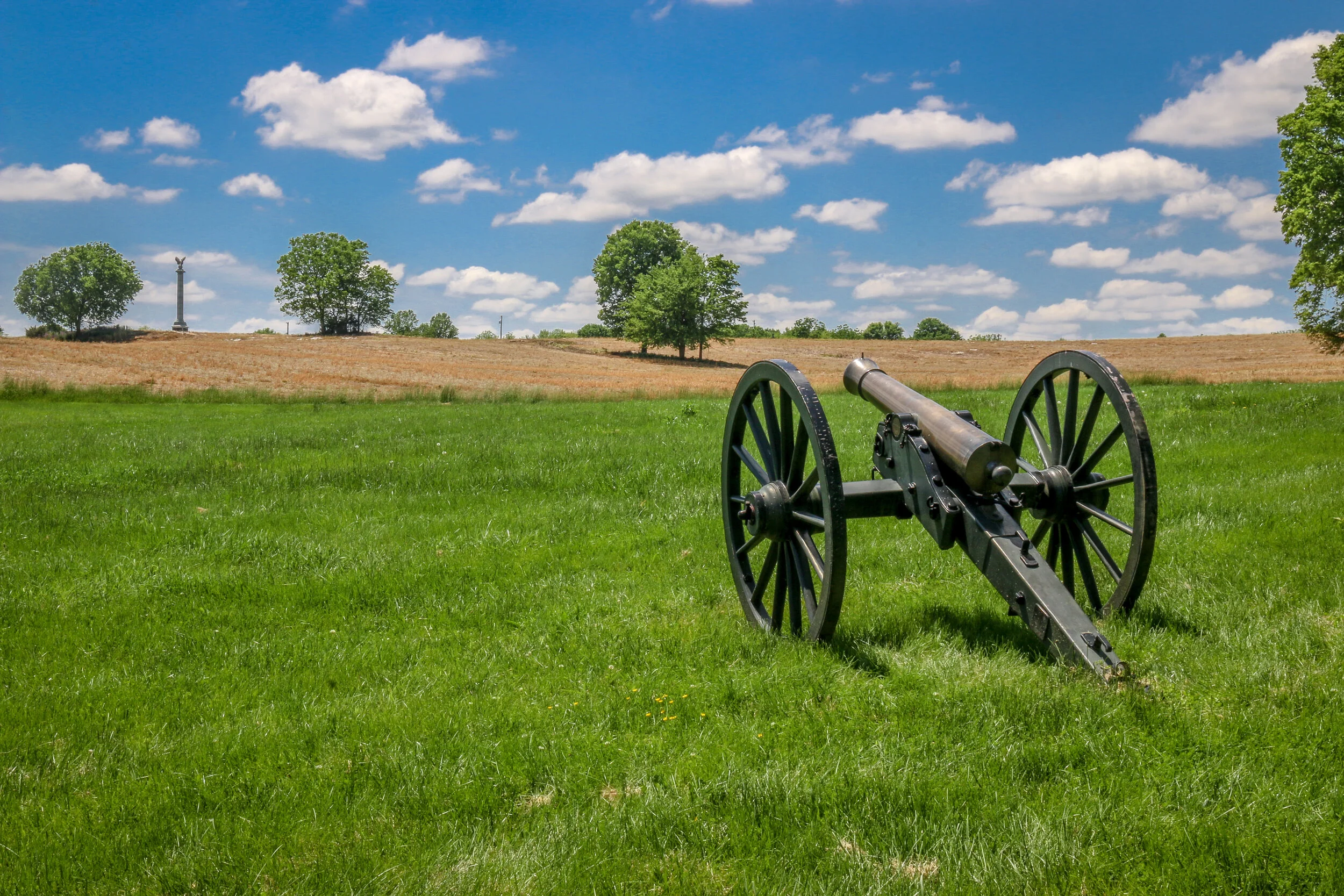
Antietam National Battlefield was the sight of the bloodiest day in American History and one of the best known battle of the American Civil War. Along Antietam Creek just north of the tiny town of Sharpsburg, Maryland, 100,000 soldiers marched into battle on September 17th, 1862. By the end of that day almost 23,000 were dead, wounded or missing.
After a Confederate victory at the 2nd Manassas/Bull Run, General Robert E. Lee pushed into the North for the first time. The Virginia countryside had been ravaged during the first year of the war, and Lee wanted to give it time to heal, plus a decisive victory in the North might bring President Lincoln to the negotiating table.
On September 15th, 1862, Lee crossed the Potomac River into Maryland and dug in along the high ground west of Antietam Creek. Union forces under Commanding General George McClellan moved in from the east. At dawn on September 17th, the battle began…
The photos below come from a cloudy visit to Antietam National Battlefield, the site of the bloodiest day in the American Civil War. Civil War Chronicles will trace the major battles of the Eastern Theater through photos and brief histories.