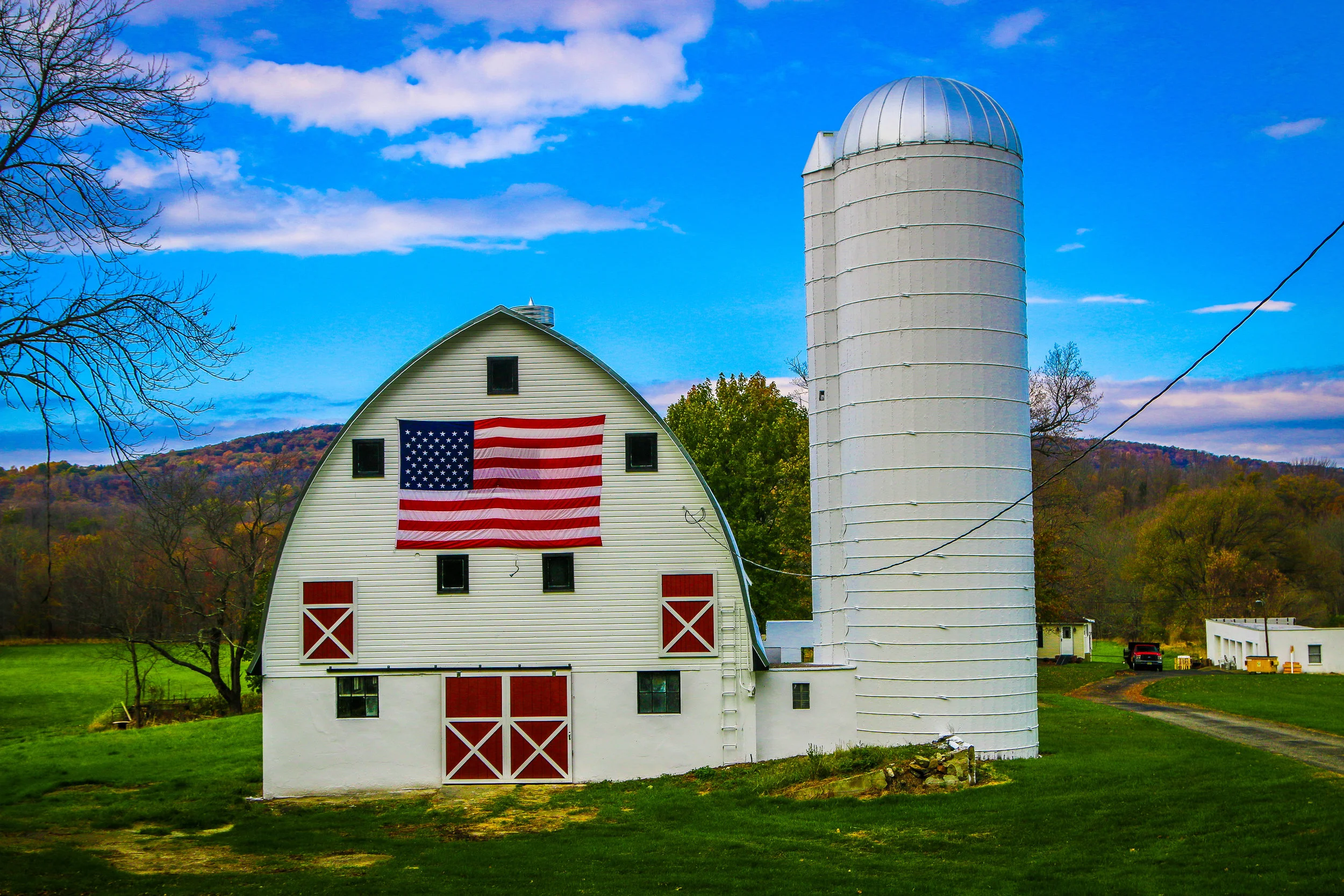
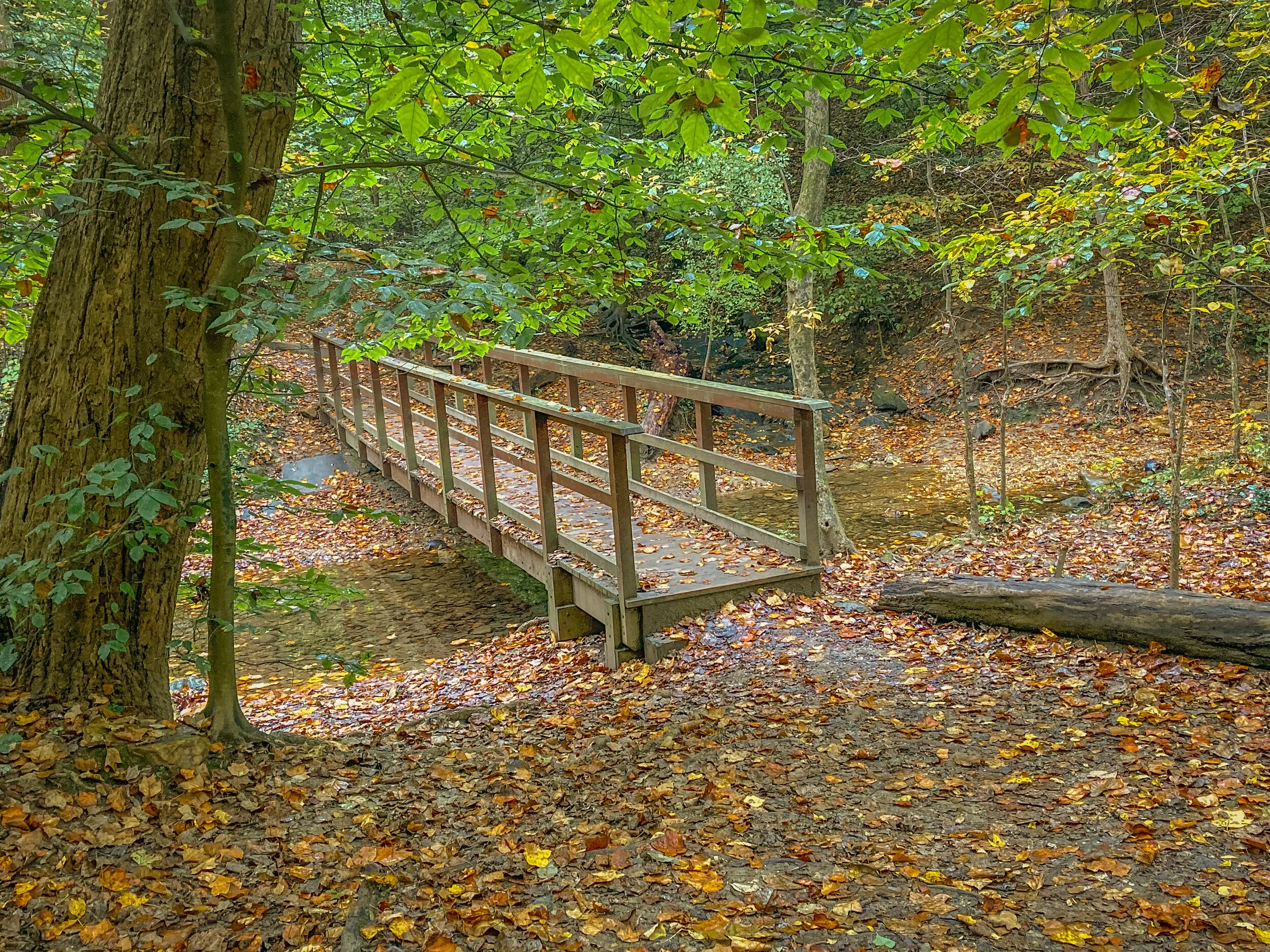
From 2010-2012, I lived and worked in a tiny fishing village in Southern Japan. My town, Usuki, had a beautiful historic core, a lovely industrial waterfront, an old castle ruin and some wonderful restaurants. In the two years I was there, we even got a 7-11 and a McDonalds. I lived in a beautiful, old, to-big-for-me apartment a few blocks from the water. During the week, I taught English in rural Japanese public schools. I worked in three different Junior High Schools and seven Elementary Schools. It was tough to move around so much, but I did enjoy the variety of it. Sadly, many of my days I spent very few hours in the classroom and was absolutely bored to tears most of the time. On the weekends I would spend time with friends or traveling the countryside. Our little corner of Japan was very rural, but also beautiful - especially when the rice was being planted. I found small communities to join, like a dance class in my town and a scuba diving shop in the next town up. I went to the beach and climbed mountains and visited the major cities. I also bought my first DSLR camera - at a pawn shop about an hour from my apartment. I didn’t learn to use it very well when I was there, but I took my first steps into the world of digital photography. It was also in Japan that I conceived the idea for this project and began to work to build this website. I made some wonderful friends while I was there, one of whom recently asked me if I had any photos of Japan that she could use to build a website for her business. That had me do a deep dive into my photo archives and dig up these old pictures. Some of them are actually pretty good, so I thought I would share them, and this story, with you here. Sadly, after a decade, I don’t remember where many of them were taken so not many of them are captioned. But I hope they can give you a feel for the time I spent there and some of the beauty of the country. Enjoy!
Wrangell-St. Elias National Park is one of the most beautiful places I’ve ever been, and that’s saying something. Second only to Montana’s Glacier National Park in my heart, Wrangell-St. Elias is America’s biggest National Park, encompassing an area of over 13 million acres. Wrangell-St. Elias was designated a UNESCO World Heritage Site in 1979 and a National Park in 1980. Plate tectonics, volcanic activity and glaciation all worked together over time to form this magnificent landscape, but it was copper that brought people into these mountains in the early 20th Century. The Kennecott copper mines produced over $200 million worth of copper between 1911 and 1938 ($3.6 billion in today’s dollars)
Today you can drive on the old rail line until you get to the “end of the road” where you will have to cross the river bridge on foot. From there you can catch a shuttle to Kennecott and explore the park from there. Glacier Walks, Mill Tours and Ice Climbing are all on offer, or you can simply go for a hike. The hikes to the old mines high on the mountains aren’t long, but they’re pretty strenuous. After a long day in the park you can find good meals at the Kennecott Lodge or in the old town of McCarthy down the road. Alternatively, the north end of the park is accessible along the beautiful Nabesna Road. The season in Alaska is short, and there isn’t much happening once the businesses close so summer is definitely the right season to visit the Wrangells. I hope you enjoy these photos I took in the park during the last summer I spent guiding there (2017).
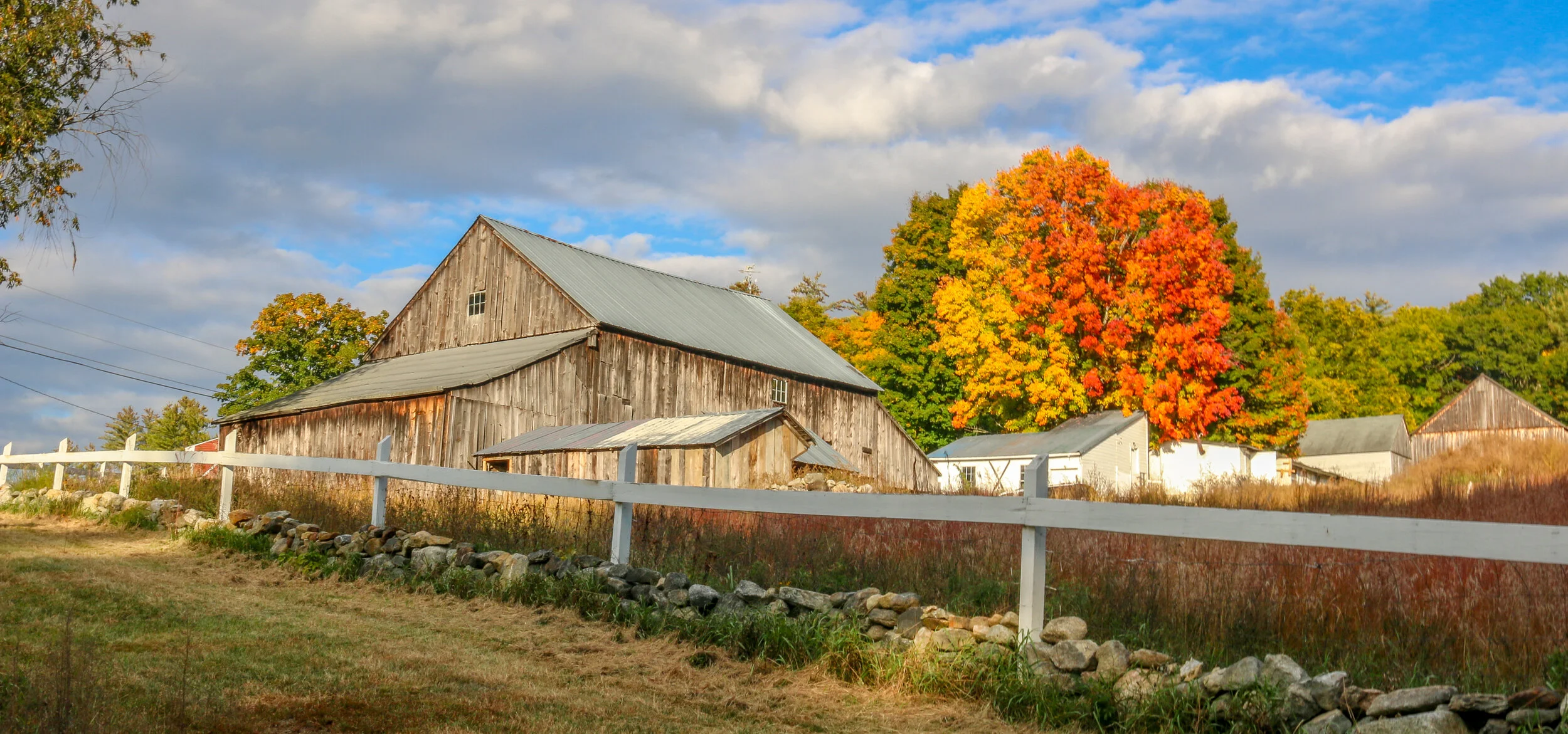
I had a wonderful Thanksgiving in New Hampshire last week and got out to do a little bit of exploring and to take these photos. It was lovely to drive around the small towns in the south of the state and I enjoyed seeing what they had to offer. Beautiful New England spires were ubiquitous, but I also found some stoic old industrial buildings and some incredibly still water to get some reflections shots. I hope you enjoy these photos from southern New Hampshire as much as I enjoyed taking them.
A couple of weeks ago my mom and I set out to explore Maryland’s Lower Susquehanna Scenic Byway. This beautiful road started at the Concord Point Lighthouse in Havre de Grace where the river meets the Chesapeake Bay. From there, we headed on to the old 19th century Lock Keeper’s House which stands watch over what was once the Susquehanna and Tidewater Canal. On to Susquehanna State Park where we explored the historic village of Rock Run with its working grist mill and old Jersey toll house. We learned about the life of Confederate Brigadier General James Archer who grew up in the Archer Mansion overlooking the river. Crossing over at the Conowingo Dam, we cruised into the fascinating old town of Port Deposit before winding up in Perryville where the Principio Furnace and Rodgers Tavern offered up a final dose of history for the day. Standing on the west bank of the Susquehanna River we watched the sun set before turning our headlights towards home. It was a beautiful day cruising the wonderful Lower Susquehanna Scenic Byway in northeast Maryland and I hope you enjoy these photos I took along the way.
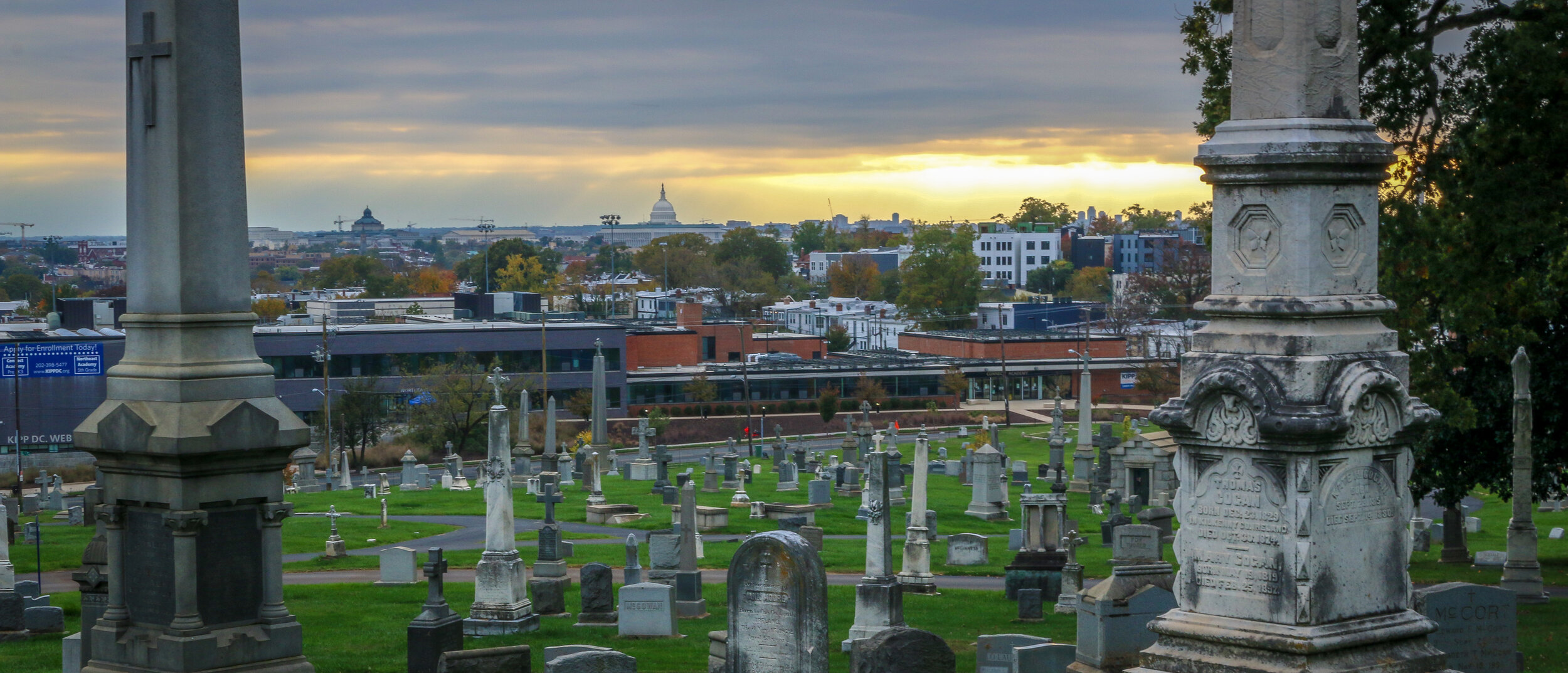
By 1852, the central section of Washington D.C. was developing quickly and the local citizenry wanted to be sure what land was available was available for the living. They therefore banned any new cemeteries from being established within the city center. Soon thereafter, the Roman Catholic Archdiocese of Baltimore, then the overseer of Washington’s catholic churches, purchased 40 acres in the surrounding countryside and established Mount Olivet Cemetery. This cemetery was and is the largest catholic cemetery in Washington D.C. and was also one of the first racially integrated cemeteries in the city. With commanding views over the city, it is a beautiful place for a wander, and as long-time readers know I very much appreciate funerary art of which there are some stunning examples in Mount Olivet. Mount Olivet is the final resting place of such notable people as White House Architect James Hoban, Supreme Court Justice Joseph McKenna, and Lincoln assassination conspirator Mary Surratt, the first woman executed by the U.S. Government.
Hello Everyone! I hope you’ve all had a nice week since last we met. The weather here in D.C. has been spectacular and I’ve enjoyed spending a lot of time outside this week. The fall colors aren’t great here, but the maples in particular have been pretty awesome. My folks and I have continued to try and celebrate life this week while keeping safe and close to home and I even got out for an overnight in my van which was awesome. October has seemed to go even faster than September did and I know that process will continue as the days get shorter. All told it’s been a pretty good week though.
I got a new phone this week, which is always exciting. My iPhone 5s has been slowly dying over the last year or so, and at the end the battery would only last about 20 minutes. I carried around an external battery for the last 6 months which is a pain, but also not a huge deal. I’m not all about the latest gadget, but that phone lasted a solid five years or so and hadn’t been new when I bought it. I’ve gone with the latest iPhone SE which has the newest chip in a reasonably priced phone. I was super happy with Apple’s new phone-to-phone transfer technology which basically migrated everything from my old phone to my new phone (down to the wallpaper) via WiFi. It was amazing and made set-up super easy. So far I’m enjoying the new features and the expanded capacity and capability of my new phone, and while there are a few things my old one could do which this one doesn’t seem to be able to, I’m sure I’ll get used to it.
The news this week is obviously pretty focused on the upcoming election, and I truly hate to see the divisiveness in the country right now. I know it’s been building for quite some time, but it seems too many people are fanning the flames and it’s heartbreaking. I think a lot of it comes from people not traveling enough and experiencing the different parts of the country and spending time with people who are Americans, but Americans different from themselves or their neighbors. I’ve spent almost my entire adult life doing just that, and I’ve found nothing but good people from coast to coast and lakes to gulf. I’ve always said that I think that sitting around a dinner table we’d have more in common than we did different, and with some open-minded conversation we could probably find compromise and common ground. But now more than ever we’re not having that face-to-face discussion, and it’s eating us like a cancer. I know the biggest divide right now seems to be between urban and rural communities and I’ve spent plenty of my life in both and both have enormous benefits and drawbacks. I think city people could use a bit of time in the country or in a small town and country people could use some real time in the city. Texans should go to Seattle and Alaskans should spend some time in L.A. and they all might find that the people there aren’t as unlike them as they think they are. I’ve spent time in my life in truly foreign environments having traveled across many countries all over the world and no matter where I’ve been I’ve met wonderful people working hard to provide for their families and spend a few minutes with their friends at the end of the day. When I personally can find a huge amount in common with a farmer in rural Cambodia, I know that people from different parts of the same country could find even more if they were focused on our common interests and ideals. We’ve got to stop demonizing each other and spend more time together and we’d all be surprised by what we find. I know that for a fact. Sermon over.
Mason and I continue our adventures around Glover Park and the nearby woods. He is really enjoying all the Halloween decorations, and again seems fearless since he has not been given a reason to be scared of the things we see (and certainly won’t get that from me). He waves to the Wolfman and says “Hi Doggie” and carried on a five minute conversation with a headless skeleton sitting in the bus stop. We’ve got a hill that we love to run down together, holding hands because sometimes he makes a misstep and at full speed that could end badly. He loves this hill and laughs so hard and heartily it warms my heart to no end. Remember when the joy of simply running down a hill could bring you that much happiness? It’s wonderful.
A few weeks ago I had the wonderful opportunity to go and spend a week with my brother in southern New Hampshire. We went out to explore some of the most beautiful parts of the area by car, by boat and on foot. The fall colors were just starting to kick into high gear, and some of the scenes we saw were truly spectacular. We saw covered bridges over the Ashuelot River, beautiful rural countryside and charming small towns like Hancock and Harrisville. I took a lot of photos, and this is the second post I’ve published with them to allow you to see the area through my lens. I hope you enjoy these photos from fabulous southern New Hampshire.
A few weeks ago I had the wonderful opportunity to go and spend a week with my brother in southern New Hampshire. We went out to explore some of the most beautiful parts of the area by car, by boat and on foot. The fall colors were just starting to kick into high gear, and some of the scenes we saw were truly spectacular. We saw covered bridges over the Ashuelot River, lakefront vistas at Lake Winnipesaukee, and charming small towns like Peterborough and Amherst. I took a lot of photos, and this is the first of at least two posts which will allow you to see the area through my lens. I hope you enjoy these photos from fabulous southern New Hampshire.
Last week I had the distinct pleasure of traveling around southwestern New Hampshire to photograph these wonderful covered bridges. I’ve always had a thing for covered bridges, and these were no exception. Much like the lighthouses and Mail Pouch Barns I’ve featured in the past on this blog, covered bridges are such a beloved and photogenic part of the American landscape. Autumn had just begun when I was out taking these pictures, and was in varying stages depending on which bridge I was looking at, but it certainly was a beautiful day to be out there. I hope you enjoy these beautiful and historic covered bridges from southwestern New Hampshire.
In 1632, King Charles of England granted a charter for a huge tract of land in what was then the colony of Maryland to Cecilius Calvert, the second Lord of Baltimore. Within that tract was a hill known as Jenkins Hill which today we know by its far more famous name: Capitol Hill. In 1663, lawyer George Thompson acquired 1800 acres from Lord Baltimore and leased the land to future Proprietary Governor of Maryland Thomas Notley for 1000 years at the rental rate of “40,000 pounds of tobacco and one pepper corn” per year. Notley called his plantation Cerne Abbey Manor.
Cerne Abbey Manor would remain in Thomas Notley’s family for several generations and eventually was inherited by his great-great-grandson Daniel Carroll. When Washington D.C. was established, Daniel Carroll ceded Jenkins Hill to the Federal Government, and later received part of that land back which he then leased to Robert Sewall. On that lot was a small one-room farmhouse which had been built perhaps as early as 1750. Sewall built a considerably larger house facing the newly designated B Street (now Constitution Ave), keeping the farmhouse as his kitchen. It is likely that this house was completed around 1800. The architect of the house is unknown, but there is some conjecture that the designer was Leonard Harbaugh, who we remember for his designs of Old North for Georgetown University, the old U.S. Treasury Building and Holy Trinity Church and who is buried in D.C.’s Congressional Cemetery. Sewall had this house built as his “town house” but soon thereafter his uncle died and left him a large tobacco plantation in Southern Maryland called His Lordship’s Kindness. The fact that the manor house on that plantation was designed by Harbaugh lends some further credibility to his designing the Sewall House.
Because Sewall was busy sorting out his newly inherited plantation, the house was leased to Albert Gallatin who served as Secretary of the Treasury under Thomas Jefferson and James Madison. A disproven rumor once existed that the Louisiana Purchase was signed in the house while Gallatin was in residence there, but it would certainly have been an important discussion around the dinner table, perhaps with Thomas Jefferson himself in attendance. Gallatin lived in the house from 1801 to 1813 and after he left, Sewall left his son, William, to watch the house, but it is unlikely that William ever lived there.
After the Battle of Bladensburg in the War of 1812, British troops marched towards Washington. It is believed that shots were fired from inside the Sewall House, marking the only American resistance to the invasion of the Capital. Whether shots were fired or not, the British did set fire to the house which lends credibility to the story because as we learned when discussing the Octagon House in this series it was not British policy to burn private residences. Regardless, the house did burn and Sewall rebuilt it in its current form soon after the war making some small changes to the original design. He applied for reimbursement for this work from the U.S. government, but his application was denied. Robert Sewall died in the house in 1820, leaving it to his wife and four daughters…
Hello Everyone, another week has come and gone as I continue to wait patiently for an end to the pandemic. We’re already halfway through September which is really hard for me to believe. Next week will be week 26 in this series, marking half a year since I turned my headlights towards home and chose to wait this pandemic out here in D.C. Some of that time has passed really slowly, and yet it doesn’t feel like I’ve been here for six months at all. I’m still just trying to make the best of it. As always, I’m very grateful to my folks for having me and giving me a safe harbor through this storm. It’s not how I would have chosen to spend my 2020, but as the saying goes: life is what happens when you’re making other plans.
I’ve spent a lot of time this week with young Mason as we set out on our daily adventures into the neighborhood together. This week we’ve crossed mighty rivers (or maybe just meandering streams), faced off against fierce (decorative stone) lions and ventured deep into the heart of darkness (aka Glover Archbold Park). He’s added some letters to his knowledge base – “E” (for elephant) and “O” (for Ohio) and is getting closer to understanding how many three is. It’s truly special and remarkable to watch him grow and learn and discover and I think every day he learns something from me, and I learn something from him. It’s great when he sees a bumblebee or a butterfly and the way he points it out to me is like it’s the single most remarkable thing that’s ever existed. When he’s really enjoying something, he just coos which is one of the best sounds on earth. He loves big trucks and busses, and it’s fun for us when the bus drivers honk their horns and wave back to us. We continue to have a really good time together and every day is a new adventure.
Last Friday my folks and I once again retired to the basement for our weekly Forget-About-It Friday festivities. We started out this week with a brewing session as we had to get our Oktoberfest brewed if we want it ready to drink by October (which is fast approaching). Then we relaxed into a Renaissance Night in Sherwood Forrest with beer, roast turkey legs, breads, meats and cheeses. We listened to some great old music, played a fun game of Gluckhouse, and generally had a merry old time. It was another successful night.
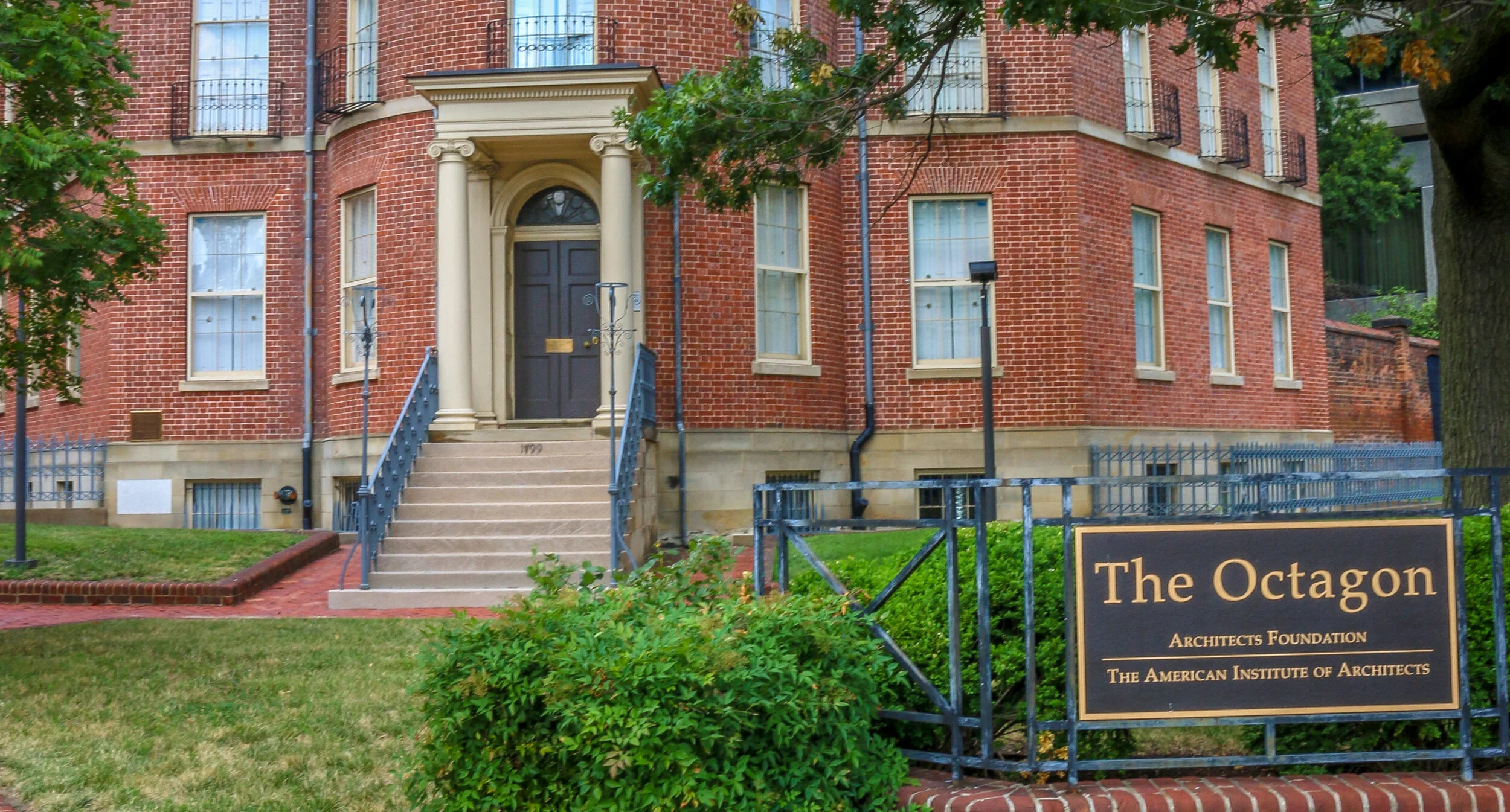
On a strangely angled corner lot just a couple of blocks from the White House, at the corner of New York Avenue and 18th Street, sits the beautifully designed Octagon House, one of the city’s oldest and most architecturally celebrated homes. The house was designed and built as the winter home for Colonel John Tayloe III, one of Virginia’s wealthiest plantation owners, and for a few months in 1814 served as the Presidential Mansion after the burning of the White House.
John Tayloe III was born on his family estate, Mount Airy, in 1770, the only boy in a family of 11 children. John’s father died when he was just 9 years old and after receiving an education in London he became the soul heir to the estate. In 1792, John married Ann Ogle whose father, Benjamin, had served as the 9th Governor of Maryland. The two would have 15 children of their own. The Tayloe fortune was made primarily through farming, shipbuilding and ironworks, but they were also some of the country’s earliest racehorse breeders. Tayloe was a fine horseman himself and served in the Dragoons under the commands of George Washington and Henry “Light Horse Harry” Lee during the Whiskey Rebellion in Western Pennsylvania. Later he served as a commander of the Cavalry of the District of Columbia. Just before the turn of the century, Tayloe was looking to build a winter residence in the city and had his sights set on cosmopolitan Philadelphia. His friend George Washington convinced him to build in the new Capital City instead. And so it was that John Tayloe III purchased Lot 8 in Square 170 to build his winter home within view of the White House.
There is some debate as to who designed Octagon House with the credit generally given to William Thornton who drew up the original designs for the U.S. Capitol. It is possible that the house was designed instead by our old friend William Lovering who designed several of the other houses in this series and many in early Washington. Regardless, it was Lovering who oversaw the construction of the home, thought to be a high point of the Federal Style of architecture. Needing to fit into a sloped, angled lot the house would be designed with amazing simplicity incorporating a circle, two rectangles and a triangle into the plan.The house was completed in 1801 and it is interesting that the Tayloe family chose to call it “Octagon House” since it only really has six sides. In addition to Mount Airy in Virginia, the Tayloe family also owned a 205 acre farm a few miles north of Octagon House called Petworth (from which today’s neighborhood in that area gets its name). Much to my delight Tayloe also built a racetrack just behind Lafayette Square and a stone’s throw from the White House.