Hi Everyone, well the last week of August has certainly snuck up on us. Summer is usually such a busy time for me, and this year it just wasn’t so it seems to have flown by. This week brought some very good news from the local side of Washington D.C: a new baby panda was born at the National Zoo. The pandas are very near and dear to our heart here in Washington and have been since Ling Ling and Hsing Hsing first arrived in 1972. I grew up alongside those two, and the city mourned their loss when they died. The two never had any babies which survived more than a few weeks. Thankfully we were able to bring two young pandas to Washington after they passed, and Tian Tian and Mei Xiang have had five babies, two of which lived to adulthood and have gone back to China. This new baby, as yet unnamed, is a bit of a surprise at their age, but we welcome it with open arms and pray for its survival. The next few weeks will be critical, so we’re keeping it in our prayers and in our hearts.
I’ve been spending more time with my two year old buddy, Mason, and we’ve been having a lot of fun together. His dad has pointed me to one of their favorite spots in Glover Archibald Park where we can sit by the stream and throw rocks in the water. It’s a peaceful place where we can hang out outside but in the cool creekside shade and listen to the cicadas. On the way there and the way back we look at all the different colored flowers in peoples’ yards and keep an eye out for bumblebees and butterflies – two of his, and my, favorites. Sometimes he rides his bike while I run alongside. Our days are full of singing and laughter and it’s been really wonderful to hang out with him. He’s been keeping me busy though and wears me out, so I haven’t been up to too much else this week (which is just fine with me).
Last Friday night we paid tribute to another lost rite of summer: the county fair. We gathered outside for some fried cheese and corn on the cob and shared a six pack of assorted beers with fair-like themes (many from Clown Shoes Brewing Company). Then we moved inside where we had a dime-toss, played some dice games, enjoyed some grilled sausages and chocolate eclairs and had a couple more beers. It definitely wasn’t as much fun as the real thing, and we missed the lights and sounds of the carnival rides and games, the animals, crafts and produce, but we had a pretty good time all things considered.
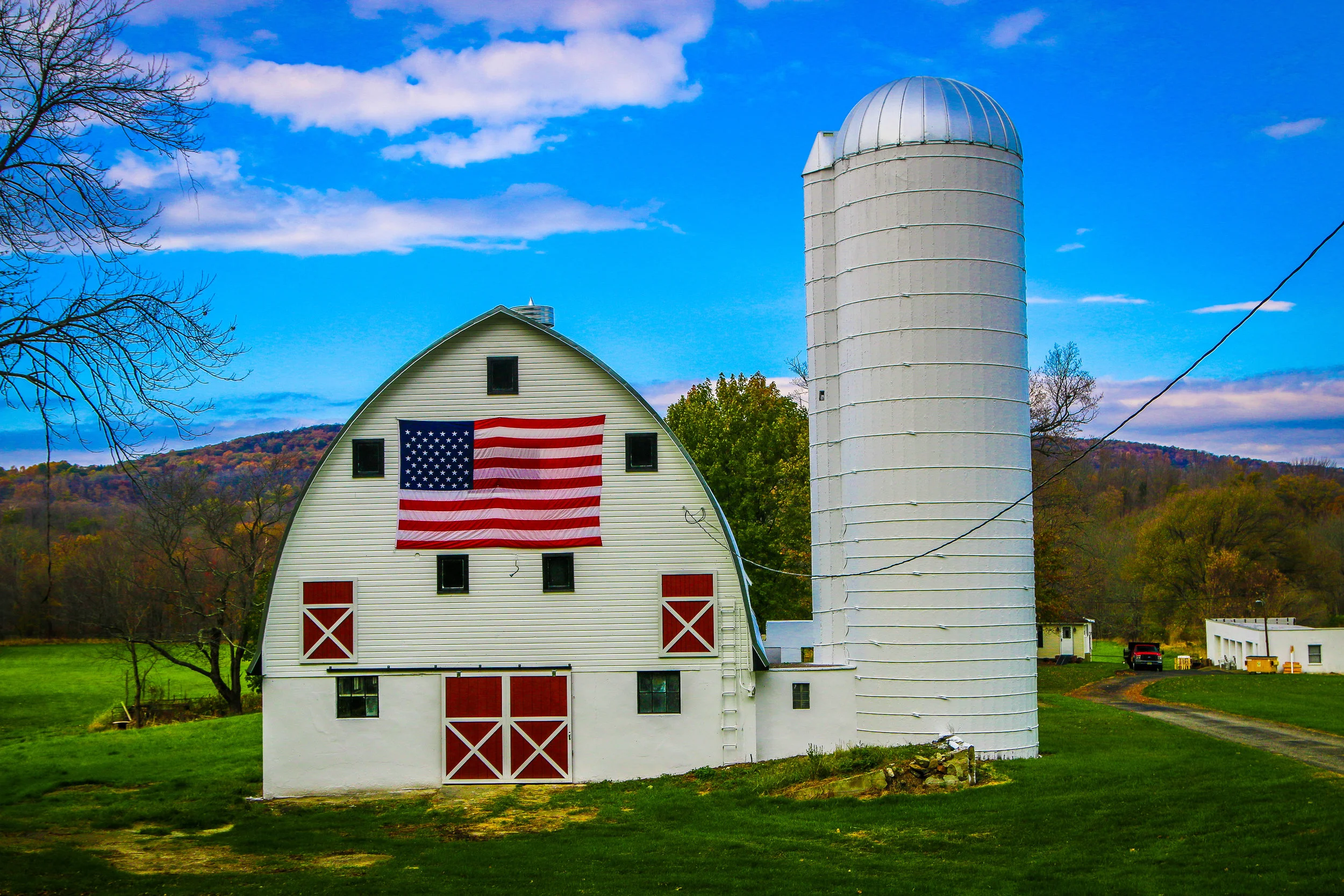
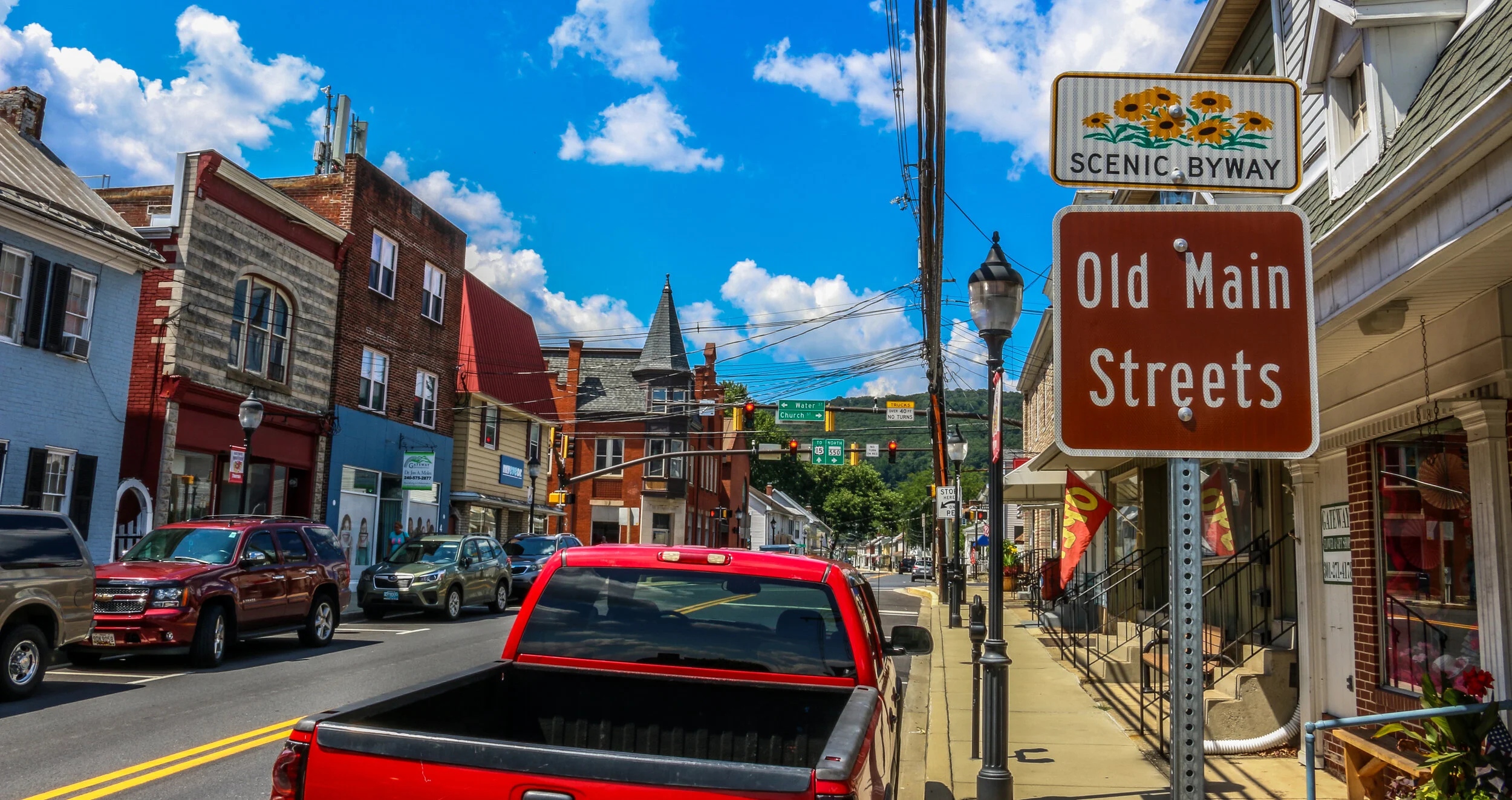
Maryland’s Old Main Streets Scenic Byway is a wonderful trip through some of the state’s most charming and historic towns. The byway begins in Emmitsburg where Maryland’s Catholic roots are on display at the incredible National Shrine to Our Lady of Lourdes and the Minor Basilica Shrine to St. Elizabeth Ann Seton. Both are beautiful places worth spending some time and it was definitely interesting to learn about Elizabeth Seton, the first person born in what would become the United States to be canonized by the Catholic church.
From there, the byway travels through historic Taneytown and on to Westminster, although since we were a bit pressed for time we headed straight to New Windsor. New Windsor is such a cute little town with beautiful Victorian homes and pleasant small-town feel. We stopped to pick up lunch at Uncle Matty’s Eatery and enjoyed it in the town’s small park.
After lunch we traveled on to Union Bridge where the beautiful old railway station has been converted into a museum. It was another quiet and pleasant town for a wander. The byway finishes in Thurmont with it’s beautiful old Main Street. log cabins and the Roddy Road Covered Bridge.
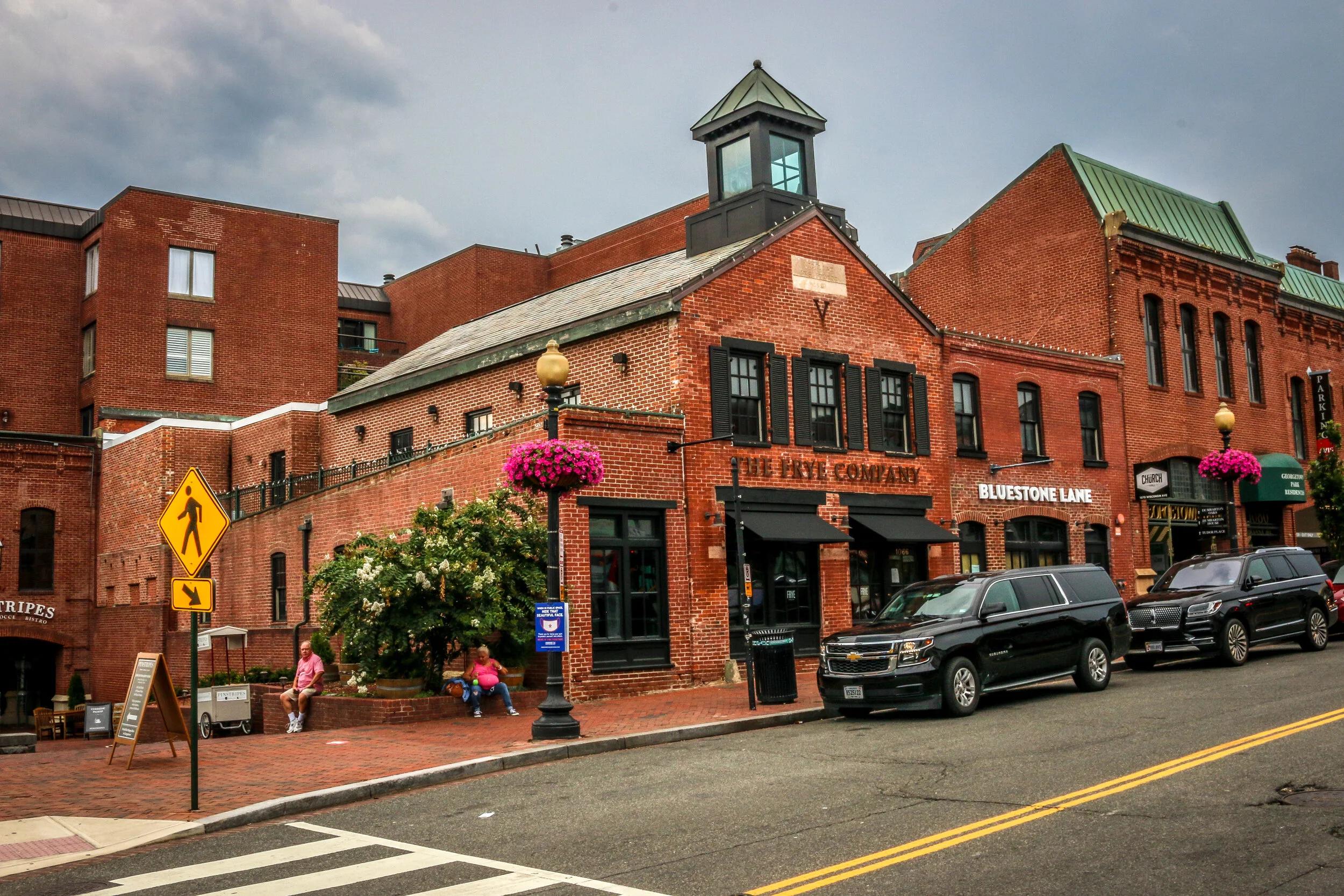
The Old Main Streets Scenic Byway is a pleasant way to while away a day and enjoy some small-town Americana. There are wonderful historic homes and businesses along the way, and it seemed like there would be some interesting museums under normal circumstances. I hope you enjoy these photos from the Old Main Streets of Northern Maryland…
Hello Everyone, another week has come and gone here in Washington. Rains have brought cooler temperatures and I’ve been out taking lots of photos and hanging out with my favorite two year old. It’s been a fast week – they just seem to be speeding up on me. I guess routine will do that to a person. I’ve been very spoiled in my life to usually be doing so much over the course of a week that they often stretch out and feel longer than they are. Now the opposite seems true. I’m still happy to be healthy and safe and home with my people. It’s not a bad place to be or a bad group to be with, I just wish I knew there was an end date to all of this so I could make some concrete plans. Sometimes I find myself making travel plans just to be making travel plans because it’s something I’m used to doing. I guess that’s not a bad thing and it keeps me in practice. I’ve been reading Delia Owens’ Where the Crawdads Sing this week and have been enjoying it. It came recommended by two of my friends so I thought I’d give it a go. I don’t usually read a lot of fiction because there’s so much great non-fiction in the world, but this book is pretty quiet and reminds me of some of the beautiful places I’ve visited in coastal Carolina. It’s been a nice break. A few nice walks in the park as well have made it a pretty good week.
I’ve had a couple of nice days enjoying some time with Mason, my friends’ two year old son who I wrote about last week. I’m watching him a couple of times a week and really having fun with it. He’s a really sweet little boy and I love to see him laugh and smile and make connections in his head. We play with his trucks and read books together and when the sun is out we can go for a walk or a bike ride. He’s brought me a lot of joy over the last few weeks and reminds me that while the past is past, the future is yet to be written. I hope his will be a bright one in a healthy world and a country which celebrates its differences instead of destroys itself over them. At one point last week, the sun was shining in the back room where we play and he looked up and started catching things. I thought he was just playing, but soon realized that he was going after tiny strands of the dog’s hair which were floating in the afternoon sun. I couldn’t help but think what a magical world this is through his eyes. Spending time with him is special and will probably end up being the best part of this pandemic.
Friday we did our usual rounds to the grocery store and whatever other errands we needed to run for the week. That night we gathered to celebrate some wonderful Washington D.C. traditions. We had some half-smokes (traditional D.C. half pork – half beef sausages) with a chili sauce I tried to copy from Ben’s Chili Bowl, a local institution. We had some mambo wings – using sweet and tangy mambo sauce, another D.C. tradition. We listened to the sounds of Chuck Brown and Experience Unlimited and others who made our local gogo style of music, which never spread too far outside the beltway. We listened to others too, from Duke Ellington to Marvin Gaye to Fugazi and back again, which have brought our local musical talent to the masses. Friends have been sending me some things to help enhance our parties from all over the country, and it was fun to incorporate some into our weekly celebration…
As many of you remember, we spent much of the spring and early summer tracing the battles of the Eastern Theater of the Civil War from Manassas to Appomattox. As we got to the end of the war though, we came to realize that there was one more casualty we needed to consider and one more route to follow to gain some closure to our tour. That was the trail taken by John Wilkes Booth after he assassinated Abraham Lincoln on April 14th, 1865 at Ford’s Theater. Booth and his accomplice David Herold led the authorities on a nearly two week manhunt which ended on April 26th when Booth was cornered and killed on the Garrett Farm in Virginia. This route is now one of Maryland’s scenic byways and one of the country’s more historic ones.
Our day began at historic Ford’s Theater. Ford’s Theater is a wonderful place managed by the National Park Service and just blocks from the White House which still functions as an active theater. My folks and I try and get there every December to watch their wonderful rendition of A Christmas Carol. The box where President Lincoln was shot is preserved and well cared for and there is a small museum in the basement dedicated to the assassination. After Lincoln was shot, he was taken across the street to The Peterson House, where he would die of his injury soon thereafter. The Peterson House is also managed by the National Park Service and is open for tours.
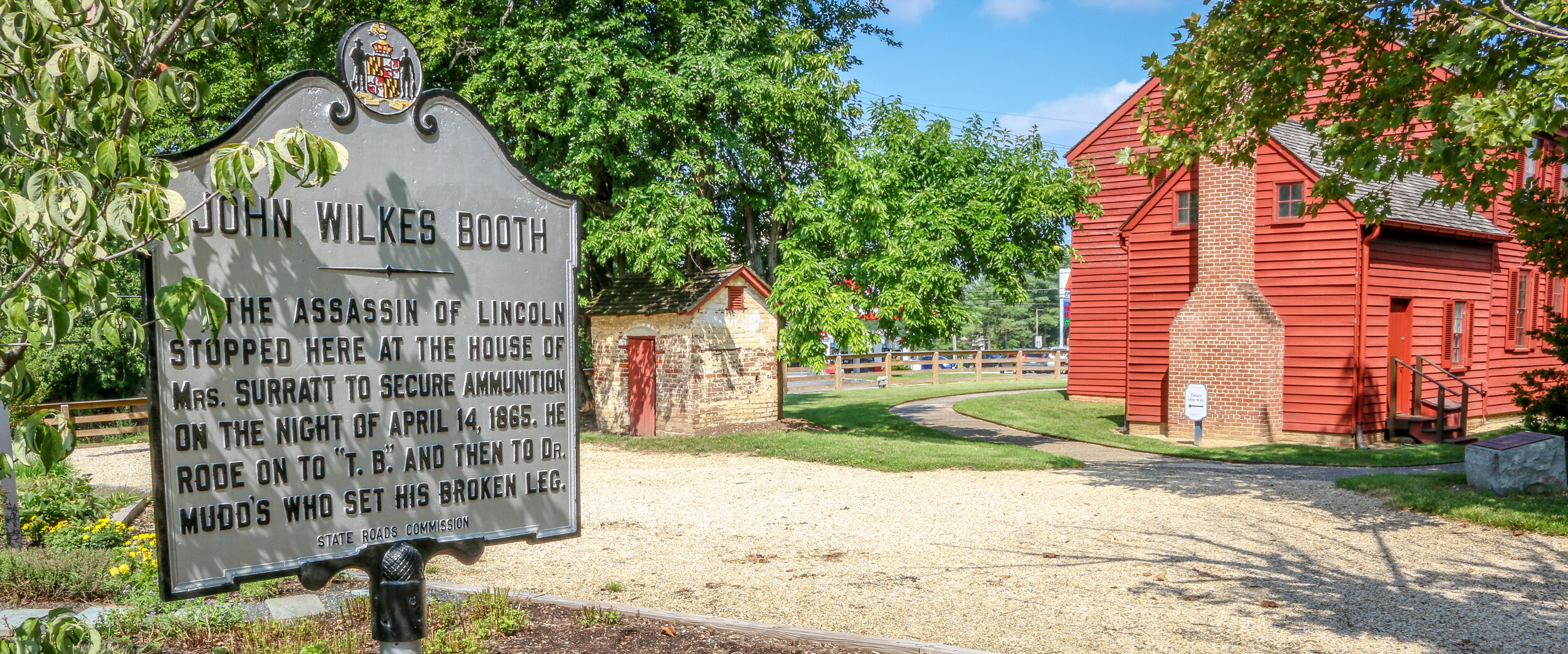
Booth, on the other hand, leapt to the stage, catching his boot spur and breaking his leg in the process, but still managed to escape out the back door of the theater. There he mounted his horse and sped off into the night, crossing the Potomac on the Navy Yard Bridge and then rendezvousing with his accomplice David Herold. The two quickly made their way to the tavern of Mary Surratt in Surrattsville near Clinton where they retrieved rifles, field glasses and other supplies they had stashed there…
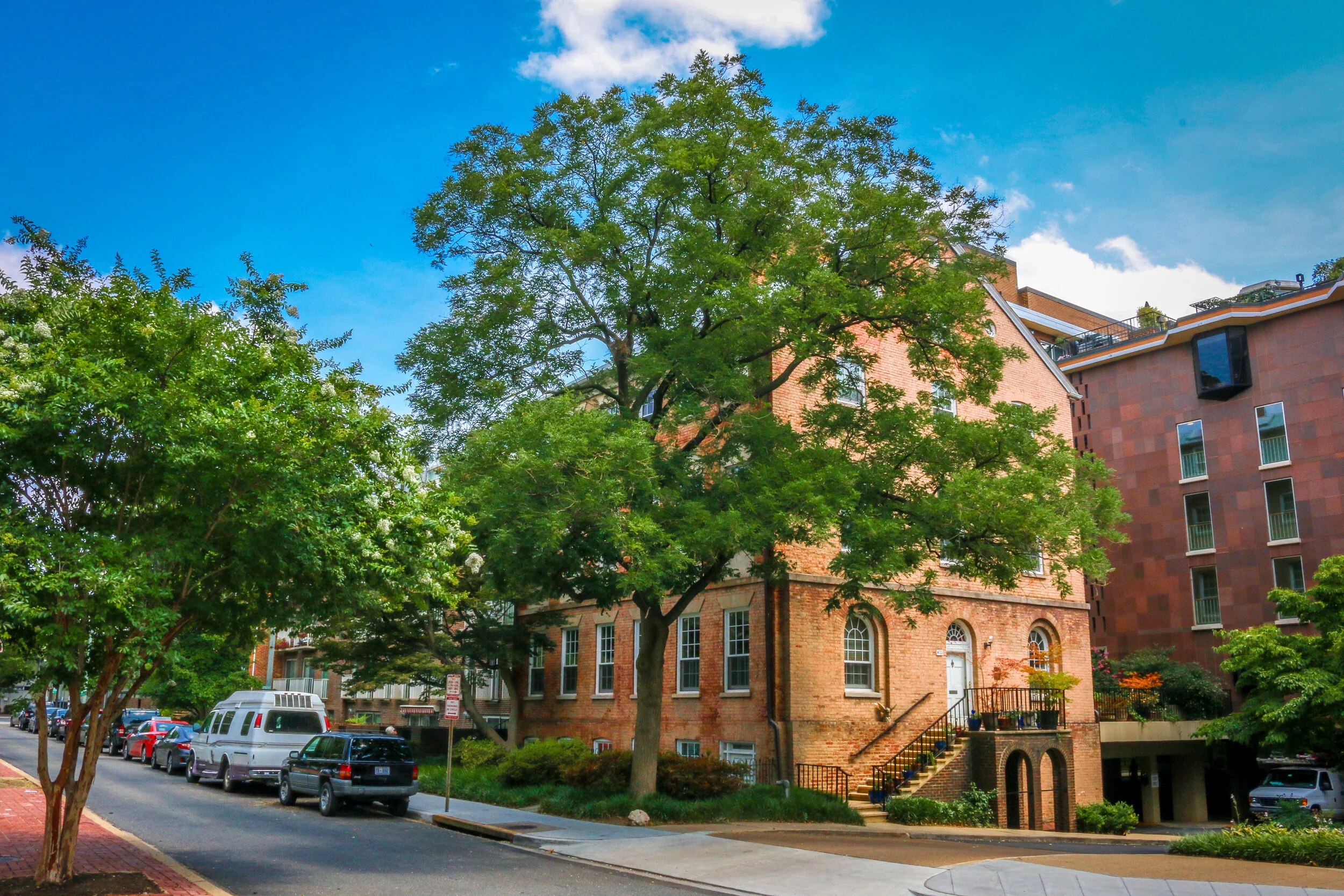
This house was built in 1794 and designed by architect William Lovering who is also credited with designing the Thomas Law House (featured last in this series), The Maples (which will be featured next), the Octagon House and Wheat Row, both of which will be featured later in this series. The house was designed in the Federal style popular at the time and was built as a double house, occupying 468 and 470 N. St. SW.
The lot on which the house was built was originally owned by Notley Young who deeded it to the City Commissioners when the site of the federal city was first determined. Captain William Mayne Duncanson, a wealthy merchant who came to Washington from Europe on a boat with Thomas Law in 1795, lived in the 470 half of the double house from 1795-96. He lived in the house while awaiting his new home, later known as The Maples, was being built on Capitol Hill. The Maples will be featured next in this series.
Several years later, the other half of this house was occupied by William Cranch. Cranch was the son of Mary Smith whose sister was Abigail Adams, making William the nephew, by marriage, of President John Adams. William married Nancy Greenleaf in 1795 and had four sons and three daughters. Their great-grandson was poet T.S. Elliot
A Harvard educated lawyer, Cranch moved to Washington D.C. in 1791 where he worked in private practice for 10 years. From 1800-1801 Cranch served as a City Commissioner for the District before being nominated by his uncle, John Adams, to serve on the newly established U.S. Circuit Court for the District of Columbia
Hello Everyone, it’s hard for me to even fathom that this is week 20 of this post series. I was hoping when I arrived home in the beginning of April that I would only be here for a few weeks and then I would be back out on the road, but here I am 20 weeks later. I’m still enormously grateful to have a place to weather this storm, especially knowing that things could be much worse if I didn’t. I just wish I knew what the end date to all of this was so I could make some plans. It’s been a quietly busy week here in Washington and I’ve actually done quite a bit which has been really nice. I’ve also had some good news in my feed this week which also helps. One of my best friends welcomed a new baby boy to the world this week in New Orleans, so welcome Theodore. Another friend of mine from grade school has announced his wife’s pregnancy this week as well. These are both reminders to me that the world has continued to turn even if my wheels have stopped doing so.
Last Thursday I began a new role which I’ve really enjoyed, even though I’ve only done it a couple of times. My friend James was called back to work after a few months of furlough, but his two year old son’s daycare is still closed. So I’m going to be spending some time with young Mason over the next few weeks or months so they can work and we can play. Mason is a sweet kid, and it’s been a real treat to watch him. His smiles and laughter are such a counterbalance to the challenges we are facing in this country and in the world, and it’s a welcome change. I’ve always loved working with kids, and it’s a wonderful opportunity to spend some time watching him grow up. It’s been great to experience the world through his eyes and I’ll be gladly helping out with this for a while until things change. That could happen tomorrow or a year from now, we’ll just have to wait and see.
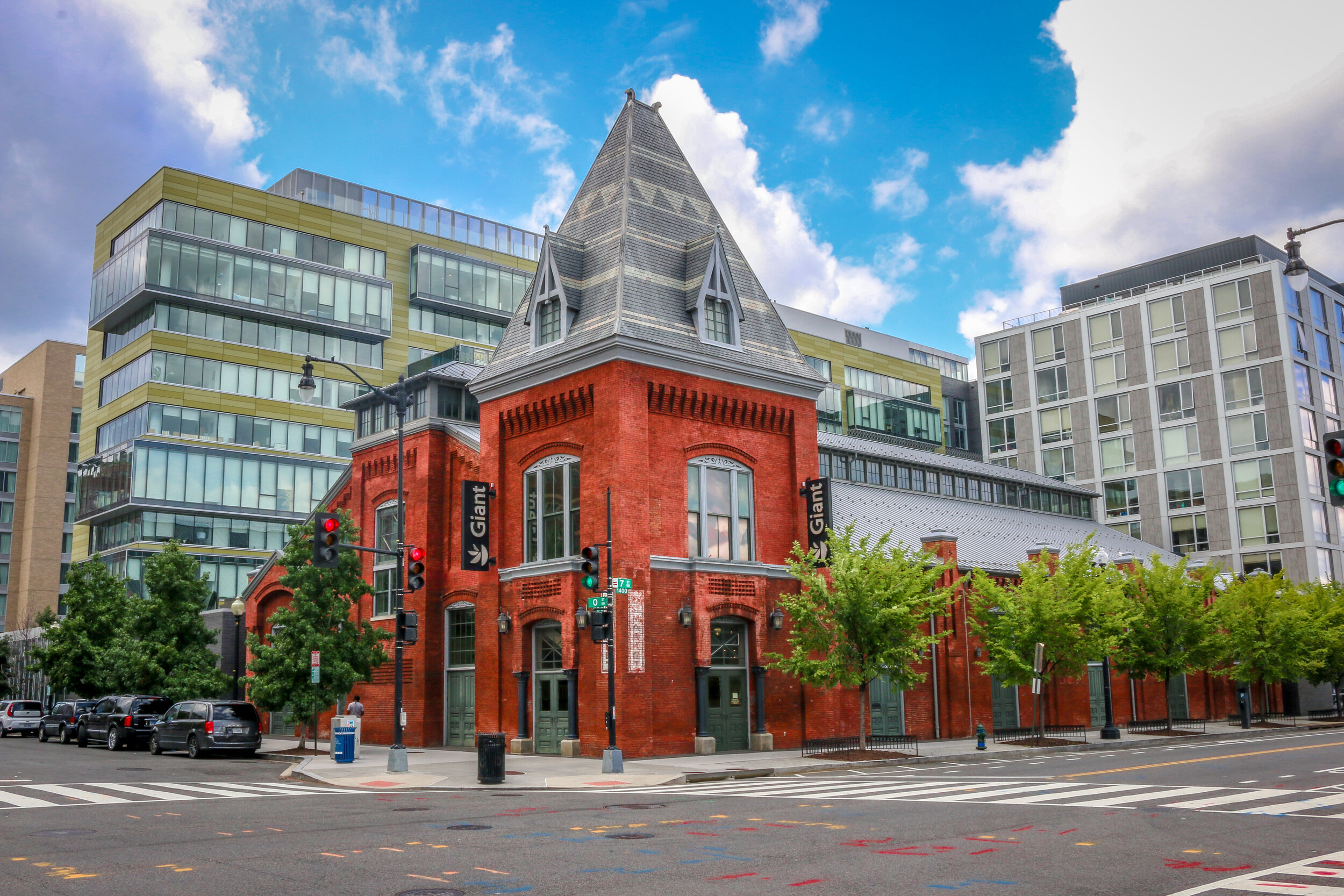
Last weekend was also a lot of fun here. After celebrating the “holidays” the last few weeks, we settled in on Friday for a quiet “pub night” of wings, nachos and beers. It was nice to have a relaxing night, listen to some good music and enjoy our time together. Saturday my mom and I headed out to check out some of Washington D.C.’s oldest firehouses for an upcoming photo essay I’m putting together
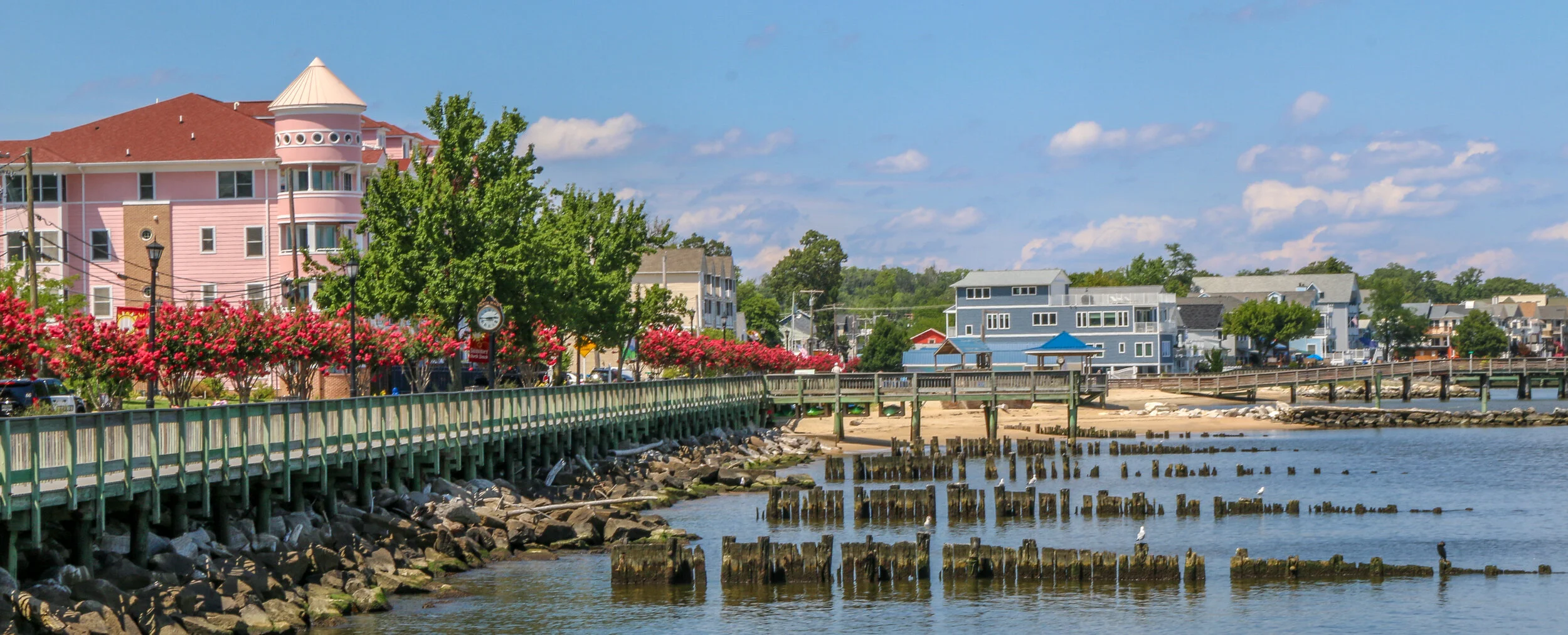
Last week I decided I wanted to check out a little bit of history and a little bit of seascape as well. It’s the middle of summer and I miss the beach but I’m not heading to the crowded Atlantic beaches right now. So I settled on a Chesapeake Bay view from the western shore towns of North Beach and Chesapeake Beach, only about an hour from Washington D.C. at a straight shot. I also wanted to take some photos at the beautiful Maryland State Capitol Building and wander around Annapolis’ Historic District as well. Connecting these two is Maryland’s Roots and Tides Scenic Byway.
Obviously, some of the key highlights of the journey were closed due to the pandemic, but I still enjoyed a little meander through the countryside, and the beach communities I ended up at sated my need for a little bit of time on the water. It’s definitely good to be out exploring, and I really enjoyed the Roots and Tides Scenic Byway. I hope you enjoy the photos I took along the way…
Hey y’all. How’s everyone doing out there? Another week has come and gone sheltered in place here in Washington D.C. It’s had its ups and downs, like every week has, but I’m feeling a lot more positive this week than I was last week. I’ve gotten out of the house more (though not as much as I need to be), and have gotten back to playing my guitar and avoiding the news as much as possible. As July begins, it continues to heat up here in our Nation’s Capital, and 90+ degree days with high humidity are prevalent in the forecast. I’m getting up earlier to get my walk in before the heat really takes hold of the day and trying to get outside in the evening as well when it cools off again. Meanwhile I’ve been eating a lot of watermelon because really is there anything better than cold watermelon in the middle of a heat wave? I can say that before this summer I only knew how to cut a watermelon into slices. Now I’ve watched some videos on the subject and can cut a whole one into chunks pretty easily (seriously, there are some fascinating methods out there). I’ve also found that making watermelon balls, covering them in vodka and freezing them are quite the treat! In short, despite the heat it’s been a decent week and watermelon is delicious.
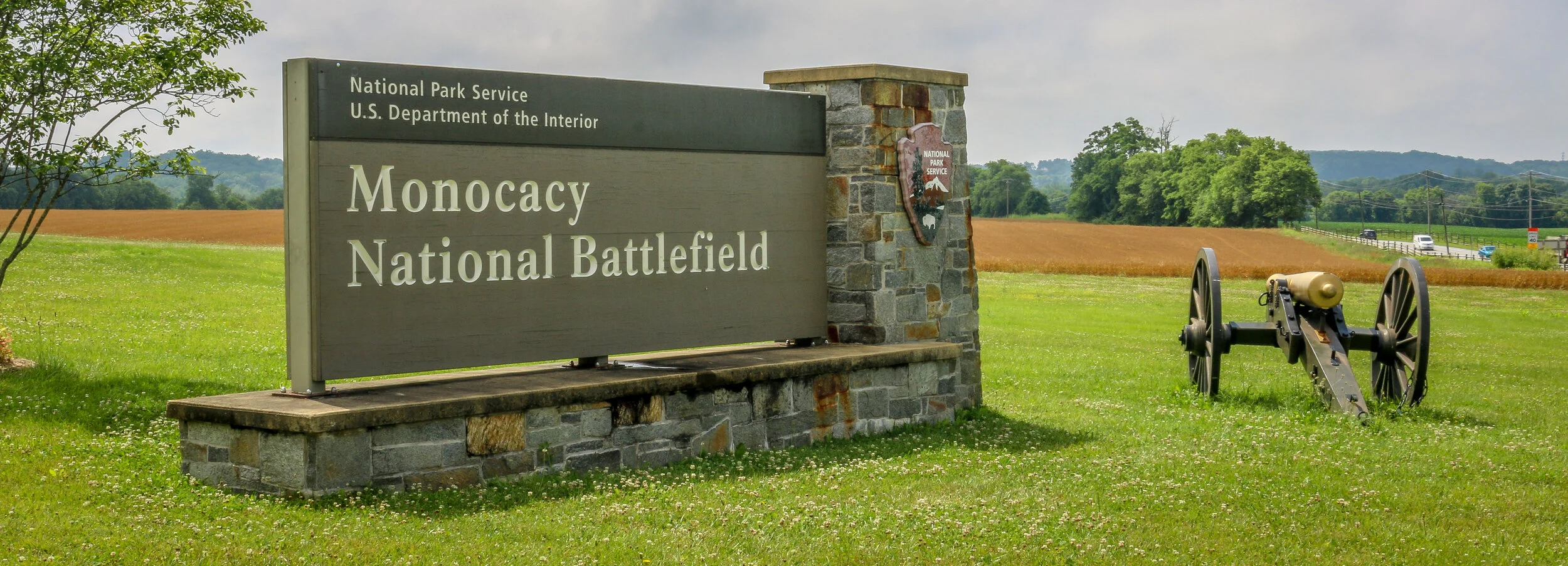
Thursday was an interesting day. As a follow-up to our Tuesday trip to Monocacy Battlefield, we wanted to go and visit Fort Stevens, the site of the only Civil War battle fought inside Washington D.C. After the 1864 Battle of Monocacy, Confederate General Jubal Early trained his sights on the Nation’s Capital. Thankfully, the delay at Monocacy had allowed reinforcements to be brought north from Richmond in steamships and the Confederates were turned out. President Lincoln was there that day and it was the only time that a sitting president has come under enemy fire during a war.
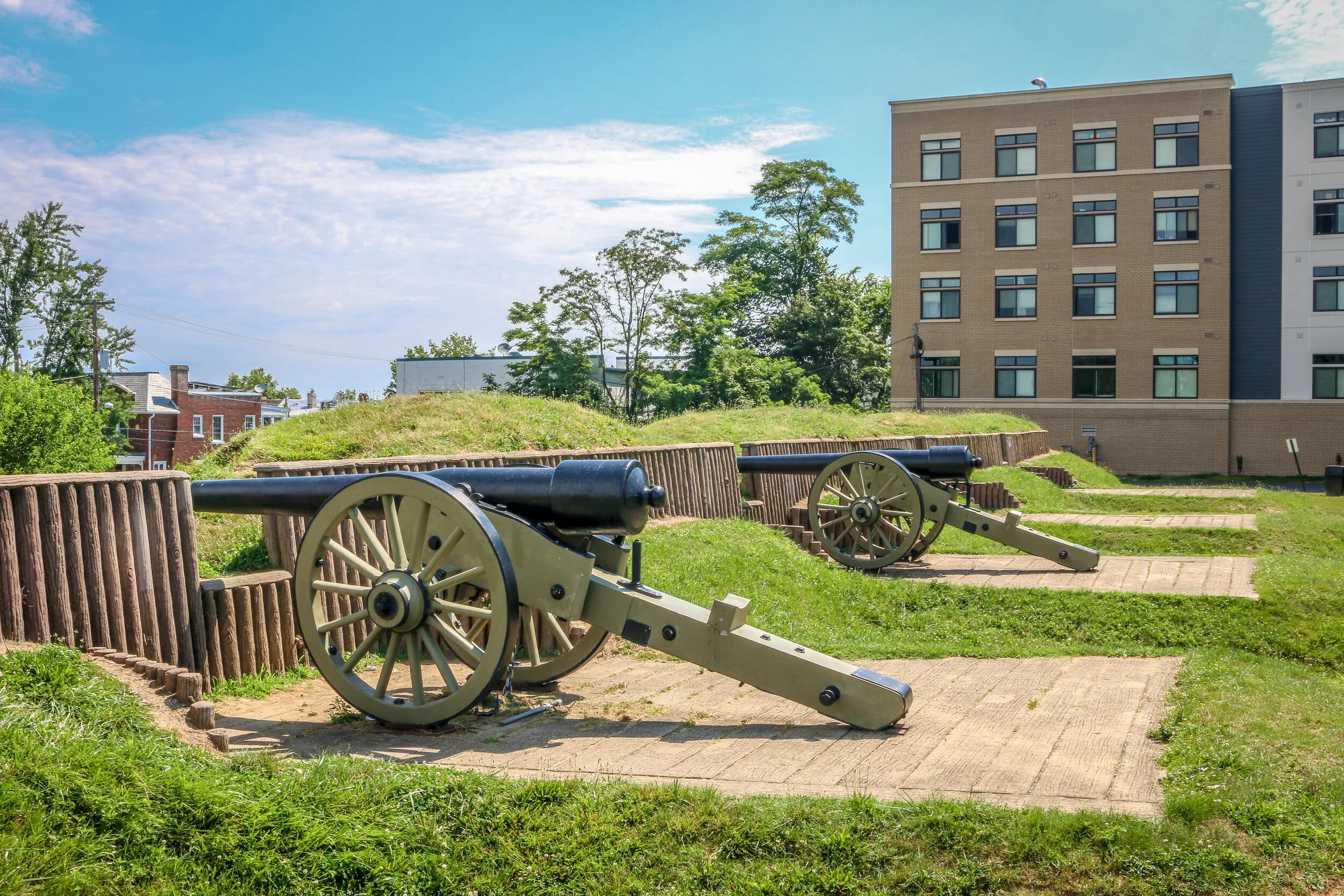
Having been rebuilt by the Civilian Conservation Corps during the New Deal and now administered by the National Park Service, Fort Stevens is the only one of our many forts which actually looks like a fort as most have been turned into parks and receded into the landscape. There isn’t much to it, but it’s only 10 minutes from our house so it was an easy place to visit. After wandering around the fort, we headed up Georgia Avenue to Battlefield National Cemetery, where 40 of the Union soldiers who had been killed during the battle are buried. With just an acre of property in the heart of the city, it is one of the smallest National Cemeteries in the country, and is really quite interesting to visit…
The photos below come from a recent visit to Fort Stevens in Washington D.C. - site of the only battle fought inside D.C. during the Civil War, and of Battleground National Cemetery up the street. The final photo came from Grace Episcopal Church in Silver Spring, MD. Civil War Chronicles will trace the major battles of the Eastern Theater of the war through photos and brief histories.
After overcoming Union General Lew Wallace and his men at the Battle of Monocacy on July 9th, 1864,, Confederate General Jubal Early continued his march towards the Capital of Washington D.C. The Confederate soldiers made the march in two days. Thankfully, Wallace had delayed the Confederates long enough for General Grant to send reinforcements via steamship from Richmond who soon took up position in the northern section of the circle of forts surrounding the city. Fort Stevens guarded the 7th Street Pike, one of the main roads into the city (now Georgia Avenue).
The armies exchanged fire on July 11th and 12th, but Early felt the city was too heavily defended to mount a full scale attack. Both sides lost men in the skirmishing, but casualties were relatively light by Civil War standards. Notably, President Abraham Lincoln came to Fort Stevens on July 12th with his wife, Mary. The two came under fire, the only time in American history that a sitting president was in the direct line of enemy fire. A memorial stone on the parapet marks that location today. That evening, Early would withdraw his men through Maryland and cross the Potomac back into Virginia, marking the end of the final Confederate attack into the North. They paused briefly en-route to bury 17 of their dead comrades at Grace Episcopal Church in Silver Spring…
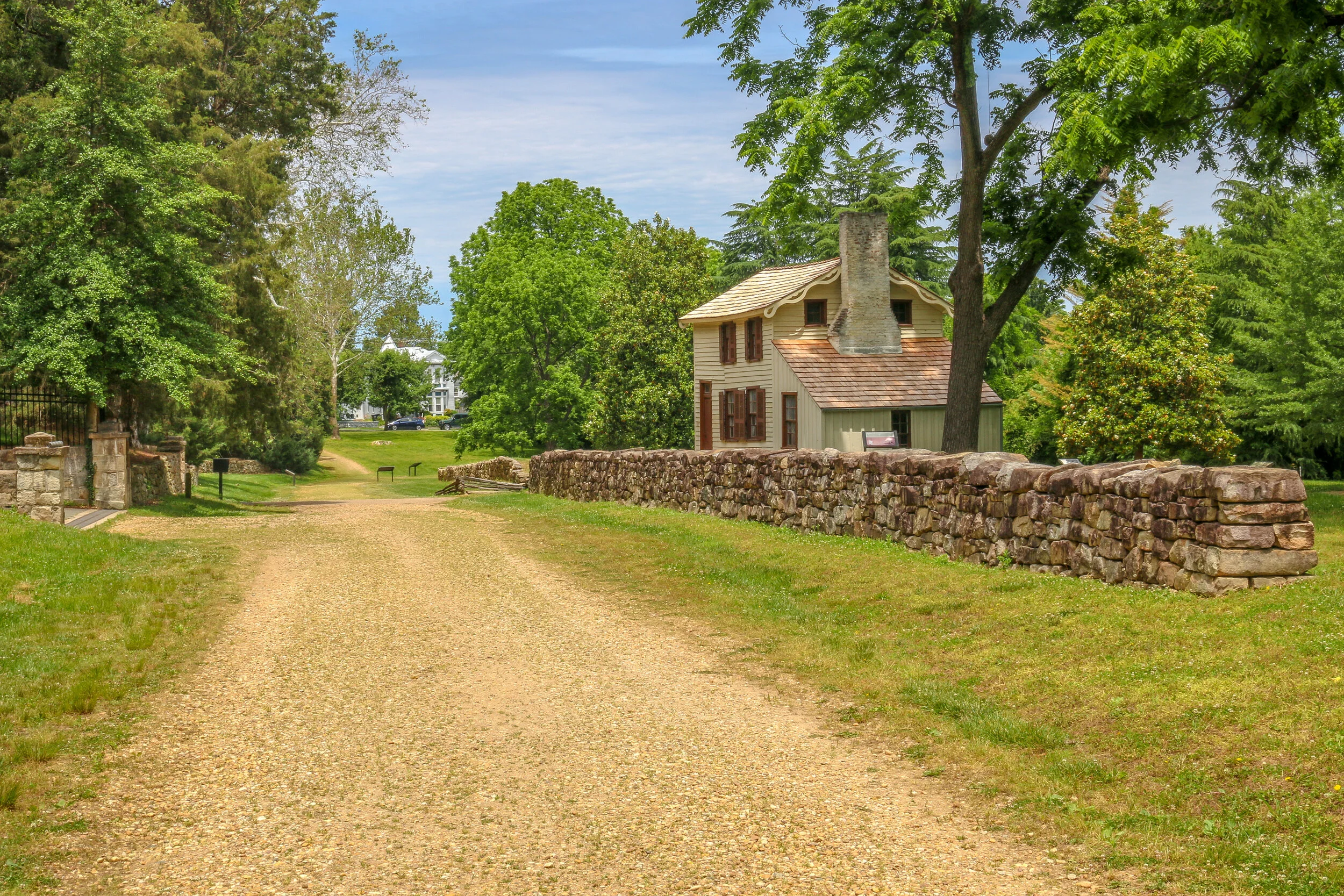
The photos below come from a recent visit to Monocacy National Battlefield Park just south of Frederick Maryland - site of the “Battle that Saved Washington”. Civil War Chronicles will trace the major battles of the Eastern Theater of the war through photos and brief histories.
The Battle of Monocacy is a bit of an outlier in that it wasn’t really a major battle of the Eastern Theater of the Civil War, but a minor one with major implications. While Generals Grant and Lee were engaged in the final grappling of the war around Petersburg, south of Richmond, Lee wanted a distraction to pull some of Grant’s army away. He attempted this by sending General Jubal Early to go on the offensive and attack into Union territory, the third Confederate invasion of the North during the war. Early was sent with 15,000 men to threaten Washington D.C. and, if possible, to raid the prison camp at Point Lookout and free the Confederate soldiers being held there. Lee also knew that a presidential election was looming and he hoped that another invasion of the North might bring about the defeat of Lincoln and a favorable end to the long and brutal war.
Early’s army crossed the Potomac River into Maryland on the 4th of July, 1864 and marched past Sharpsburg, the site of the Battle of Antietam two years earlier. You can’t march 15,000 infantry troops across a state without anyone noticing, and word quickly got to General Lew Wallace who was then the Union commander in Baltimore. Wallace gathered what men he could muster and quickly set off towards the west. Thinking quickly, Wallace decided to head towards Monocacy Junction, just south of Frederick, Maryland. He didn’t know where the Confederates were headed, but this point would allow his troops to defend the Georgetown Pike to Washington, the National Road to Baltimore and the Baltimore and Ohio Rail Line. If he got there first, he could strategically place his men along the Monocacy River and defend all three of those routes which crossed the river at that point. He arrived in time to dig in and establish a line of defense.
After being turned back south after the Battle of Antietam, Confederate General Robert E. Lee marched his army back to Virginia. Union General George McClellan was replaced by General Ambrose Burnside to command the Army of the Potomac, and President Lincoln urged Burnside to pursue the Army of Northern Virginia deep into the state and attack the Confederate Capital at Richmond. The major obstacle lying in their way was the Rappahannock River.
Burnside arrived at Stafford Heights overlooking the river and the small town of Fredericksburg in mid-November, 1862. He had sent orders to have pontoons at the ready to provide a means of bringing his army rapidly across the river. Tragically for Burnside and his men, the pontoons didn’t arrive for several weeks. Instead of crossing the river in boats or rafts, he chose to wait for the pontoons. By the time they got there, Confederate troops had dug in on the high ground south of the city called Marye’s Heights and behind a stone wall along a sunken road to the front of this position.
Union engineers worked through the night of December 10th to assemble the pontoon bridge, but their progress was slowed by Mississippi sharpshooters in town. A small group of Union soldiers crossed the river in boats and fought a battle to secure the streets of the town. They finally secured the town in late afternoon on the 11th, but it was winter and the daylight soon gave out. The bridge would be completed and most of the army would cross it on December 12th.
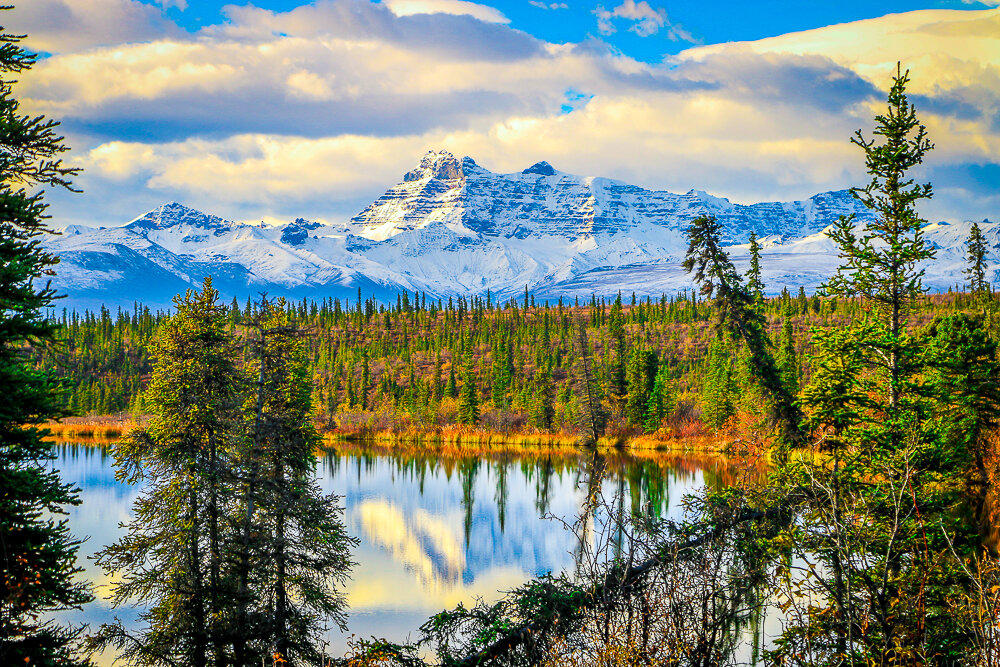
They say a picture is worth a thousand words. In this series I’ve chosen one picture per post which brings out strong memories for me and has a story attached to it. This story is about a beautiful morning along the Nabesna Road in Wrangell-St. Elias National Park, my last morning in Alaska.
It all started with a cigarette.
I haven’t been a regular smoker for many years, but sometimes when I had worked a long season guiding tours and the days were turning cooler as summer turned to fall, I’ve been known to pick up a pack. Usually before that pack is finished I’ll remember why I quit, but those first couple remind me why I started to begin with. And so it was that on a sunny afternoon in early fall I found myself smoking a cigarette outside of my hotel a few miles from LAX International Airport.
This was a hotel we used for our staff during turnarounds between tours in L.A, and there were a few other of our vans than mine in the parking lot that day. A fellow tour leader who I didn’t know had seen me get out of my van, so she came over and introduced herself. We made small talk about what trips we were doing and what else we were up to with a few days off in L.A. and she told me she was filling out an application to return to Alaska to work the following summer. In the company I work for, Alaska is like the Promised Land, it’s somewhere everyone seems to want to go spend the summer, but in the old days it was somewhere you only got to go once. One season in the great north land, and that was it. More recently, she told me, we had started running some high-end tours and they needed some experienced leaders to run them so the application process was open to everyone. We chatted some more, and it got me thinking…