Viewing entries in
History

This Week on the Road - March 4th-10th

2 Comments

This Week on the Road - March 4th-10th

Hello Everyone! It has been an amazing week here in New Mexico as I’ve been out hiking, exploring state and national parks, visiting small towns and soaking in some wonderful hot springs. The wind has been blowing tumbleweed across my path and the roadrunners make me smile. I even popped over to Mexico for a couple of beers this week. I’ve been feeling great and riding on a real high since arriving in New Mexico, and I’m hoping to keep cruising happily along for as long as I can. When I started this journey four years ago, I really wanted to take a deep dive into the Deep South and Appalachia and learn more about the history, culture, music and food of those regions. I had a fascinating time doing just that, but I also wanted to get west and visit old cowboy towns and hike through the desert. I didn’t know it was going to take quite so long to get here, but I’m sure glad I have finally made it. It’s so quiet out here and I’ve been so happy to get on the trail and explore a region so different from the places I’ve been for the last few years. I’ve spent some time out here on tour, but very little in New Mexico and mostly just cruising through. It’s been really great to be here and it’s been a fascinating week.

I know the world is struggling right now, and being partly of Ukrainian descent, I’m very aware of and unhappy with what Putin is doing in Eastern Europe. I don’t think there is much I can do about it, though, so I’m going to keep pushing onward and upward. The price of gas has skyrocketed in the last couple of weeks as a result of this invasion. I paid $2.98 a gallon just a couple of weeks ago in East Texas and today it was $4.49. I have travelled enough to know that that is still cheaper than in much of the world before all of this started, but when I have to fill up my tank every couple of days it hits hard. It means I have to plan things out more to avoid backtracking and make other adjustments accordingly, but I'm not going to let it stop me. It is actually an incredibly small price to pay to support the Ukrainian cause and while I wouldn’t say I’m happy to do it, I’m willing to do it. I’m very grateful to have work lined up for this summer though.

When I left you last week, I had just arrived in Las Cruces. After I finished writing this post, I decided to head down to Old Mesilla and have a look around and maybe grab some dinner. Mesilla is a town just south of Las Cruces which was created after the Treaty of Guadalupe Hidalgo (which ceded New Mexico to the United States) as a town for those who wished to remain in Mexico. The border was later moved south and Mesilla officially became an American town. It’s a really cute little place, centered on an old central plaza with plenty of adobe buildings surrounding it. I loved that they had ristras of red chiles hanging from their light posts which brought a big smile to my face. I wandered around for a while and then took a seat in the plaza to listen to the Ash Wednesday sermon coming from the speakers attached to the central Basilica of San Albino, built in 1906. It was a quiet and pleasant sermon and I enjoyed listening to it in the quiet plaza as the sun was going down. When the sermon was over and the sun had set, I dropped into the Double Eagle for a margarita. The Double Eagle is apparently one of the fancier places in the area, and one that families tend to visit on special occasions. The bar area was absolutely stunning and the bar itself was constructed from the old high school basketball floorboards. They made a good margarita and there was a perfect single seat in the corner made just for me. When I finished my margarita, I made my way just down the block to La Posta de Mesilla, the other legendary venue in Mesilla and a restaurant recommended by more than one friend. I loved the piranhas and parrots in the waiting area and soon got a seat at the back bar. I had a hankering for a prickly pear margarita and was thrilled they could accommodate this request. The couple next to me were retired Border Patrol, and they were really wonderful to talk with. On my other side was a gentleman who grew up in L.A. but had moved to Phoenix many years ago. Both were such easy and gentle conversations, maintaining my first impression of the people of the region. My second drink was a chile margarita which definitely had a little spice and kick to it. The drinks and people were great but sadly the food wasn’t very good at all. It was quite ordinary actually and quite disappointing for such a large and historic spot. I had a great time in Old Mesilla despite my tasteless burrito, and decided to call it a very early night.

I was up and at ‘em early on Thursday, though, and on my way out to the Baylor Pass Trail in Organ Mountains - Desert Peaks National Monument. This is a beautiful natural area just north and east of Las Cruces, and I was happy to get out there while the sun was still behind the clouds. The hike up to the pass was steady and moderate, but gained a good bit of elevation over the 3.5 miles to its crest. It took me through prickly pear and yucca and even some sagebrush on my climb…

2 Comments

Snapshots: Red Cliff Cultural Days

4 Comments

Snapshots: Red Cliff Cultural Days

I felt truly privileged to experience Cultural Days with the Red Cliff Band of Lake Superior Chippewa on their Reservation on the shores of Lake Superior. It was a beautiful day to celebrate their culture. In addition to all of the dancing, chanting and beautiful regalia pictured here, there were also stations set up to learn more about the culture of the Anishinaabe people. I helped render down bear fat and learned about its healing qualities, drank cedar and wintergreen tea and ate smoked fish, fried walleye and bear cracklins. I also learned about birch-bark basket making, heard some wonderful flute and drum music and watched some traditional gambling games. My favorite experience of the day was throwing a spear using an atlatl which is something I had only ever seen in museums before. I have been very fortunate in my life to have experienced Native American culture in several different parts of the country, and to be able to attend a festival like this one is truly special. The people of the Red Cliff Band were particularly welcoming and really helped me understand their culture better for which I am forever grateful. They even got me to join in on several of their spot dances which was just wonderful. It’s a different experience to be inside the circle looking out than outside the circle looking in. I hope you enjoy these photos which will give you a glimpse into the magic of the day.

4 Comments

Snapshots: Wisconsin's State Capitol

Comment

Snapshots: Wisconsin's State Capitol

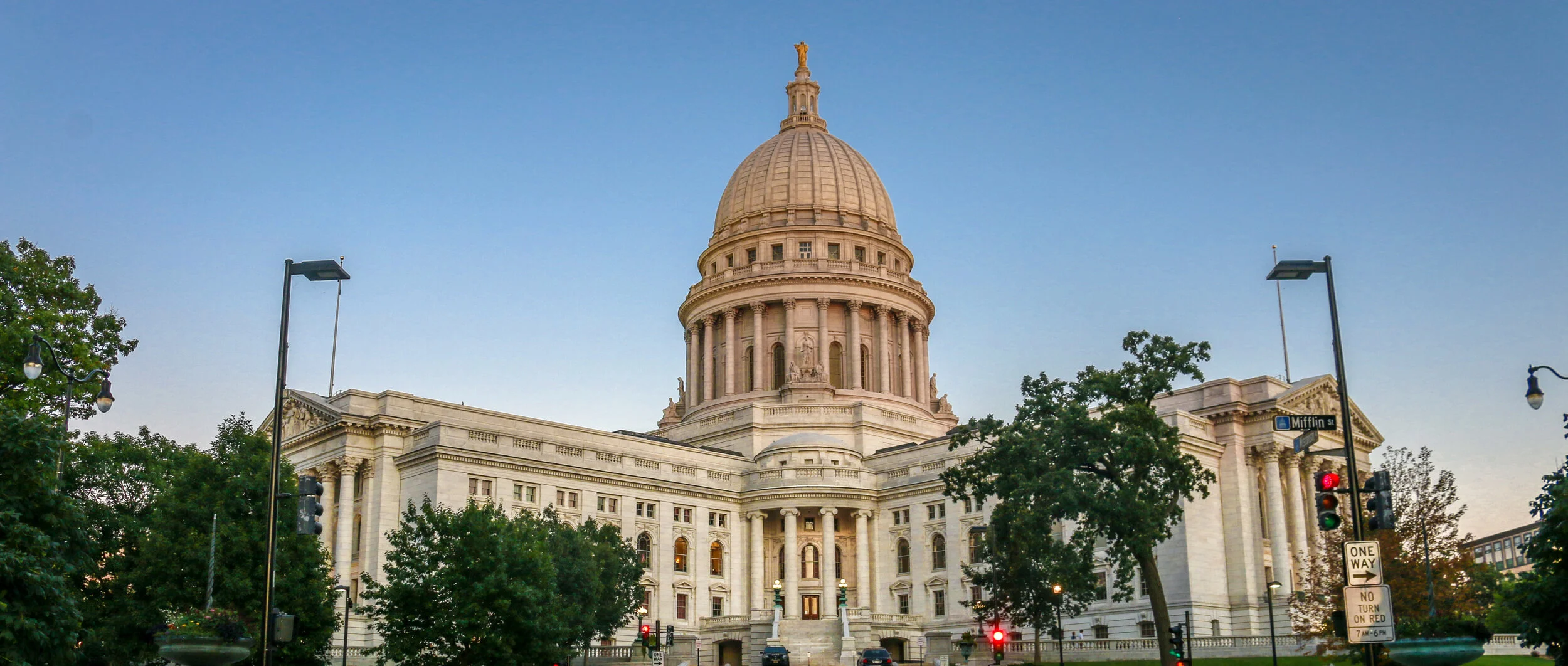
For those of you who have been following me for a while, you know I have a particular affinity for capital cities. Being from Washington D.C. there is a certain familiarity to a capital city and how it looks and operates. Madison is even closer to my heart since both of my parents attended the University of Wisconsin at Madison and I grew up hearing stories of their time there. The Capitol Building in Madison is actually the forth Capitol of the Badger State. The first Capitol was a hastily built wooden structure in Belmont, Wisconsin which was used for a mere 42 days, during which time a new site was chosen in Madison. The second Capitol was built in Madison in 1837 and the third Capitol was begun in 1857, nine years after the Wisconsin Territory became the state of Wisconsin. That building tragically burned to the ground in 1904 and construction of the current Capitol began soon thereafter under the watchful eye of famed architect George B. Post of New York. The statue of Wisconsin on the Capitol dome was sculpted by Daniel Chester French who also sculpted the statue at the Lincoln Memorial. I loved how many badgers were to be found in the building - in the murals, overlooking the four corners and even on the statue on the dome. Wisconsin is definitely fond of its badgers. I found it interesting that the mural in the state senate chamber commemorates the opening of the Panama Canal - big news when the Capitol was built but it seems odd a hundred years later. I think my favorite story from the Wisconsin State Capitol was that of Old Abe, a bald eagle who once served as the mascot for a Wisconsin Civil War unit and accompanied them into battle. Old Abe was shot during the war but survived and went on to tour the country after the war ended. He went to live in the Capitol building for many years but accidentally died of smoke inhalation when a fire started near his cage. Old Abe was stuffed and sat overlooking the House chamber for many years until he burned in the fire of 1904. A replacement eagle was placed in the rebuilt Capitol to commemorate Old Abe’s legacy. I really enjoyed my guided tour of the Wisconsin State Capitol and hope you enjoy these photos from my visit.

Comment

Snapshots: The Keweenaw - Michigan's Copper Country

2 Comments

Snapshots: The Keweenaw - Michigan's Copper Country

The Keweenaw Peninsula juts north from Michigan’s Upper Peninsula far out into Lake Superior. The word “Keweenaw” comes from an old Ojibwa word meaning “a place where portage is made”. This area is home to one of the richest copper deposits in the world and has been mined for thousands of years. After Michigan became a state in 1837, prospectors started making their way into the Keweenaw and copper claims and mines were quickly established. These mines were often in operation until World War II. Around these mines, communities grew which were often settled by immigrants eager to build a life in the new world. Mining was dangerous work, but the promise of a decent wage was enough to lure people to this isolated northern region. When the price of copper dropped and the mining process was no longer profitable, whole communities packed up and moved elsewhere and once-bustling towns were quickly reclaimed by the forest. Some towns remain today, but many are struggling and reliant on tourism. I loved this region and spent a little over a week exploring its history and towns. I toured the Quincy Mine and enjoyed wandering around Houghton, Hancock, Calumet, Eagle River and Copper Harbor. I included a few photos from nearby Marquette as well since it traces its roots to the same time period. The whole region is now a part of Keweenaw National Historical Park and Keweenaw National Heritage Area and you can find the Visitors Center in downtown Calumet. I hope you enjoy these photos from the beautiful Keweenaw Peninsula, Michigan’s Copper Country.

2 Comments

Snapshots: Detroit's Eastern Market

Comment

Snapshots: Detroit's Eastern Market

Detroit’s Eastern Market is a wonderful place. The central open-air market is only open Tuesdays and Saturdays, and market days are obviously the busiest time to be there, but the neighborhood surrounding the market is a vibrant place full of old buildings, shops, restaurants and stunning murals. I visited on a Saturday and the whole place was buzzing. There were buildings full of flowers, fresh fruits and vegetables, meat, seafood, nuts and some arts and crafts as well. Wandering the surrounding neighborhood, I found live music, packed outdoor patios and even a wedding at the beautiful St. Joseph’s Oratory Cathedral. The people visiting the market was an incredibly diverse mix from all corners of the city and all over the world. If you’re in Detroit on a Tuesday or Saturday, definitely head out to Eastern Market. You’ll be glad you did. If you can’t make it there, I hope these photos will give you a little taste of what it’s like. Enjoy.

Comment

Updates From Home

Comment

Updates From Home

Hello Everyone! Long time, no see. I can’t believe that three weeks have gone past since I sent my last newsletter. It felt like 2020 lasted for 5 years, but now 2021 is blowing past as May is right around the corner. I’ve missed writing D.C. Chronicles these last couple of weeks, but I’ve been so busy with all of my other projects that it has been good to back off from that a little. I did want to check in with you all though and update you on what I’ve been up to and some of the places I’ve been and things I’ve been doing.

First and foremost, I did get the second dose of my vaccine and have had enough time pass since my shot to be considered fully vaccinated. My second shot left me fatigued for half a day, which seemed like a small price to pay. If you’re on the fence about the vaccine, please go discuss it with your doctor or pharmacist but from my perspective it was quick and relatively painless. Most of my family and friends have gotten at least one shot at this point, and for that I am very grateful.

Mason and I have continued our daily romps around his neighborhood. Spring is in full effect here in Washington with current highs in the 70s and 80s and he’s enjoyed getting his water shoes on and his feet in the creek. We are both thoroughly enjoying the flowers, bumblebees and butterflies that have come back into our lives. Mason really enjoys blowing the dandelion seeds we find out into the world, and I am enjoying it too. We have added several new walking trails to our portfolio, some of which are really great – especially Dunbarton Park which has some nice quiet meadows (in the heart of the city). Our biggest highlight of the last couple of weeks has been turning over logs in the woods. We have found a bunch of salamanders, millipedes, worms, roly-polies, centipedes and even a shrew (which scared the bejesus out of me). It’s been pretty cool and Mason has gotten his hands as dirty as I’ve ever seen them but he’s sure enjoying it. This will be our last full week together as he starts school next Tuesday. I will miss his company tremendously, but it’s time for him to make friends his own age and for me to get what I need to get done so that I can back on the road in 5 short weeks.

Speaking of which, that is still my plan – a June 1st departure from Washington with a quick stop to see my dad in West Virginia before continuing on to Michigan.

Comment

Snapshots: Mount Olivet Cemetery

Comment

Snapshots: Mount Olivet Cemetery

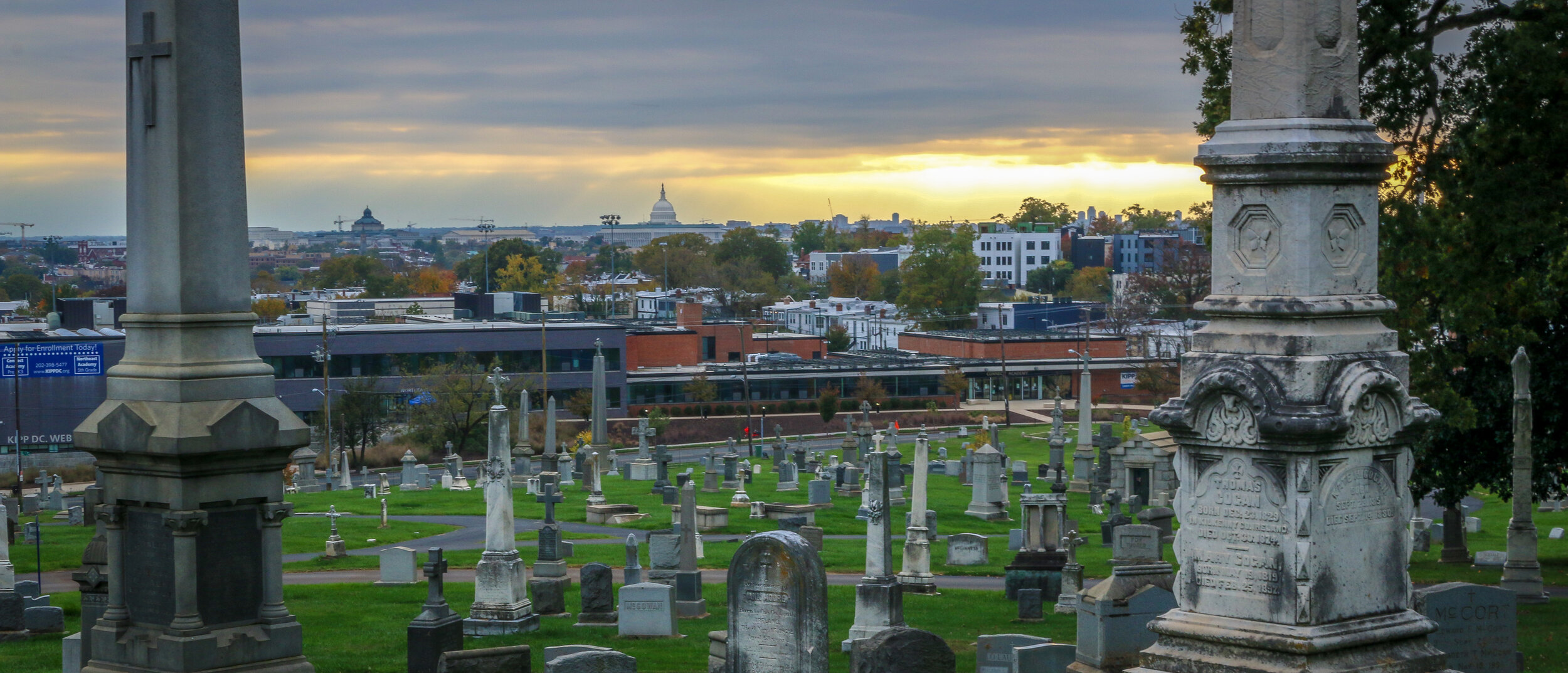
By 1852, the central section of Washington D.C. was developing quickly and the local citizenry wanted to be sure what land was available was available for the living. They therefore banned any new cemeteries from being established within the city center. Soon thereafter, the Roman Catholic Archdiocese of Baltimore, then the overseer of Washington’s catholic churches, purchased 40 acres in the surrounding countryside and established Mount Olivet Cemetery. This cemetery was and is the largest catholic cemetery in Washington D.C. and was also one of the first racially integrated cemeteries in the city. With commanding views over the city, it is a beautiful place for a wander, and as long-time readers know I very much appreciate funerary art of which there are some stunning examples in Mount Olivet. Mount Olivet is the final resting place of such notable people as White House Architect James Hoban, Supreme Court Justice Joseph McKenna, and Lincoln assassination conspirator Mary Surratt, the first woman executed by the U.S. Government.

Comment

D.C.'s Oldest Homes - The Potts-Fitzhugh House - Robert E. Lee's Boyhood Home

Comment

D.C.'s Oldest Homes - The Potts-Fitzhugh House - Robert E. Lee's Boyhood Home

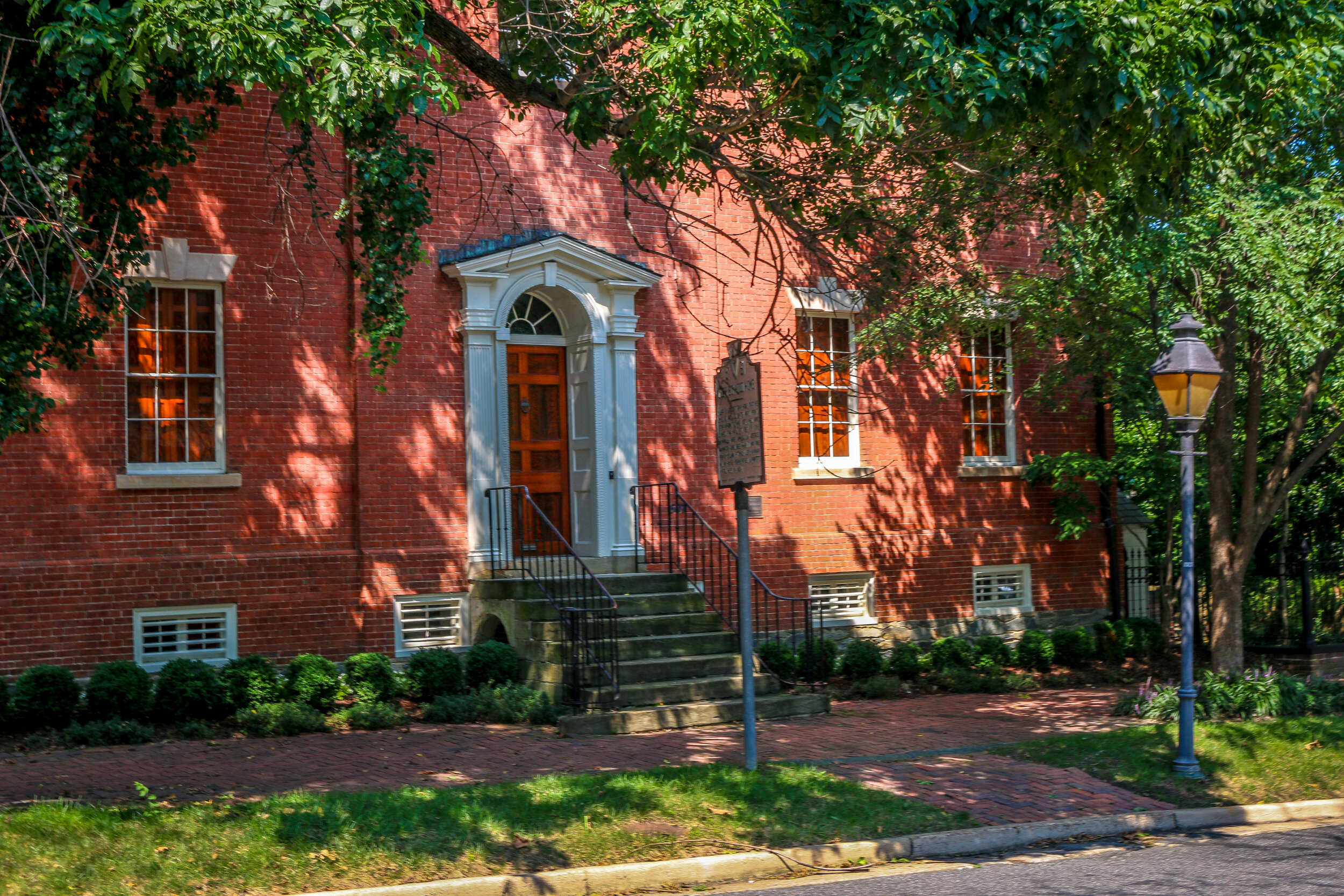
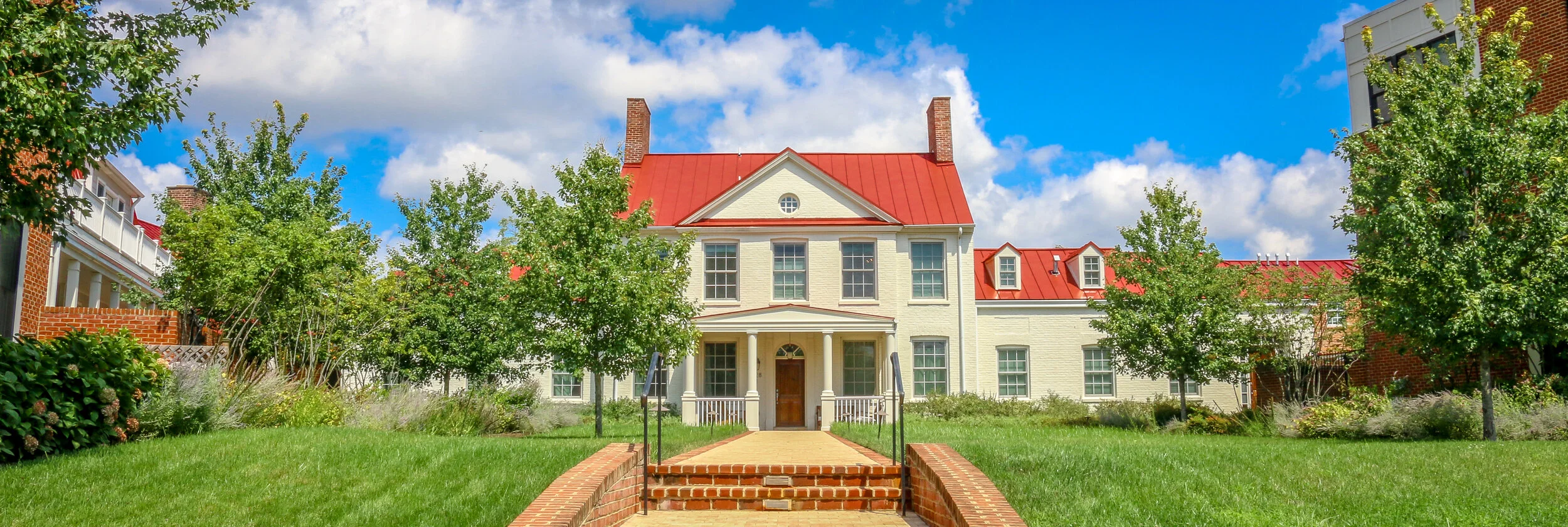
The Potts-Fitzhugh house at 601-607 Oronoco Street in Alexandria is one of the most interesting houses still standing in the area. Known most famously as the Boyhood Home of Robert E. Lee, the house’s history goes much deeper. The house was built in 1795 in what was then the Alexandria section of Washington D.C. for John Potts. Potts was the secretary of the Potomac Canal Company, which was attempting to link the Potomac and Ohio Rivers with a canal around Great Falls. Potts was an old friend of George Washington who visited the house often and sometimes even spent the night during the year Potts resided in the house.

Potts lived in the Oronoco Street house for only about a year, and then sold it to William Fitzhugh, a wealthy Virginia tobacco planter and racehorse breeder who was looking for a city home. Fitshugh owned beautiful Chatham Manor in Fredericksburg which was right down the road from Ferry Farm, the boyhood home of George Washington. The two had served together in the Virginia House of Burgesses before the Revolution, and remained friends. In fact, Washington dined with Fitzhugh at this house on Oronoco Street just one month before he died, on his last visit to Alexandria. Fitzhugh was married to Ann Randolph and the couple had three children. One of their children, Mary Lee Fitzhugh, would grow up to marry George Washington Parke Custis, a grandchild of Martha Washington from her first marriage. The wedding took place in the parlor on Oronoco Street. George and Mary Lee had one daughter, Mary Anne Randolph Custis, who would grow up to marry Robert E. Lee in 1831, two years after he graduated from West Point. During the Civil War, the Lees would take refuge on the Fitzhughs’ country estate, Ravensworth, which they built after selling Chatham. When William Fitzhugh died in 1809, his city home on Oronoco Street passed to his son, also named William, who would rent it to the house’s most famous occupants: Henry “Light Horse Harry” Lee and his family which included then five-year-old Robert E. Lee.

Robert E. Lee was born in Stratford, Virginia in 1807, but he moved with his family to Washington D.C. in 1810, when he was just 3 years old, and lived at 611 Cameron Street in the Alexandria section. In 1812, they moved to this house on Oronoco Street where they lived for the next four years. The Lees would move to 407 N. Washington St. in 1816 but returned to the house on Oronoco Street in 1820. On October 14th, 1824, the Marquis de Lafayette was in Washington and wanted to visit his old Revolutionary War friend “Light Horse Harry” Lee’s widow and children,so he stopped by their home on Oronoco Street. Lafayette met 17 year-old Robert and no doubt told him of his father’s heroism in the Revolution. Robert lived on Oronoco St. until he departed for West Point in 1825 on the recommendation of William Fitzhugh the younger. When Robert left, his mother and two sisters moved across the river to Georgetown, but the house on Oronoco Street would be inhabited by other members of the Lee family for the next 62 years until it was sold to the Burson family in 1887. During the Lee family’s tenure there, Alexandria was retroceded to Virginia. One can only speculate on the fate of Robert E. Lee and the nation had his boyhood home remained a part of Washington D.C…

Comment

D.C.'s Oldest Homes - Wheat Row

Comment

D.C.'s Oldest Homes - Wheat Row

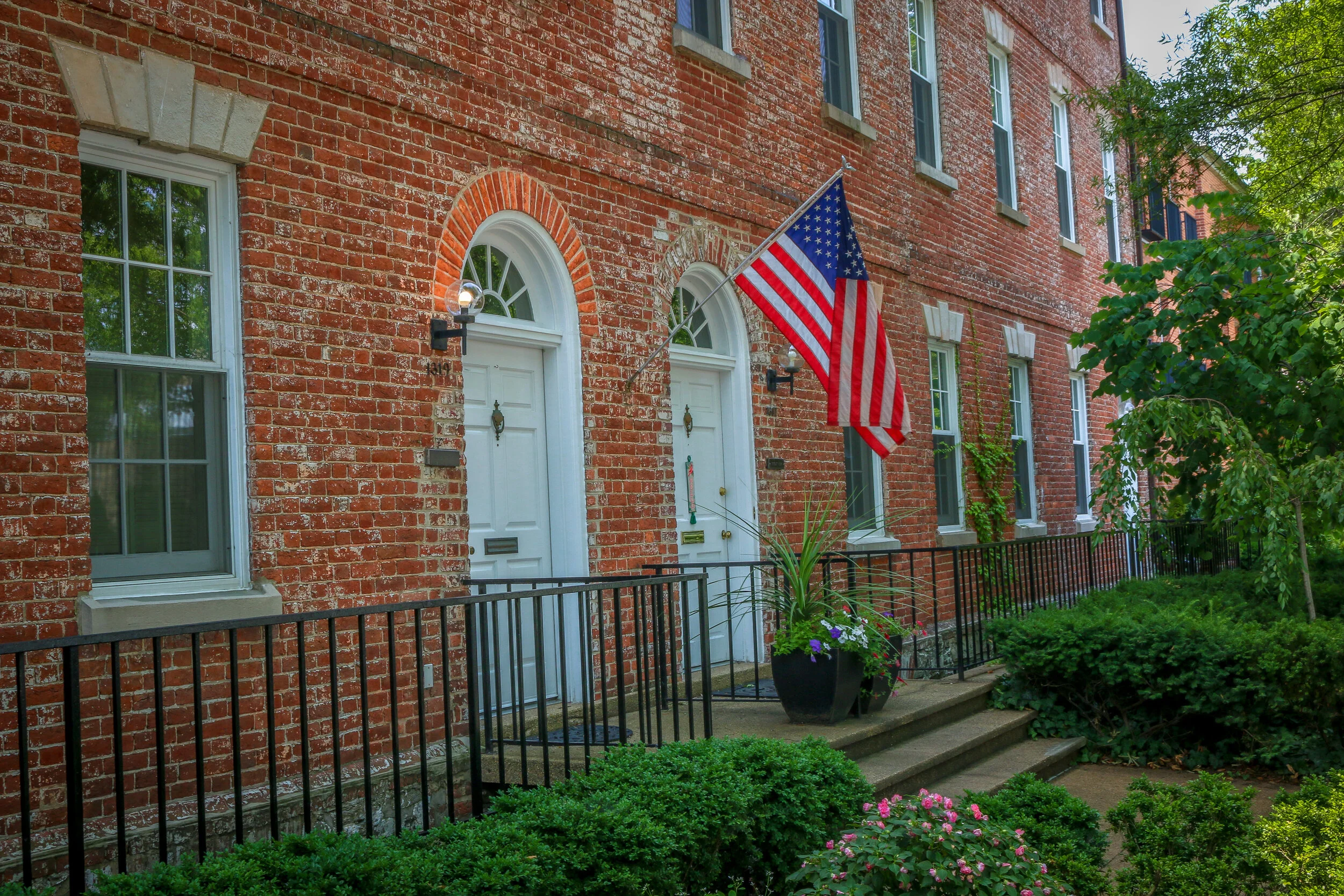
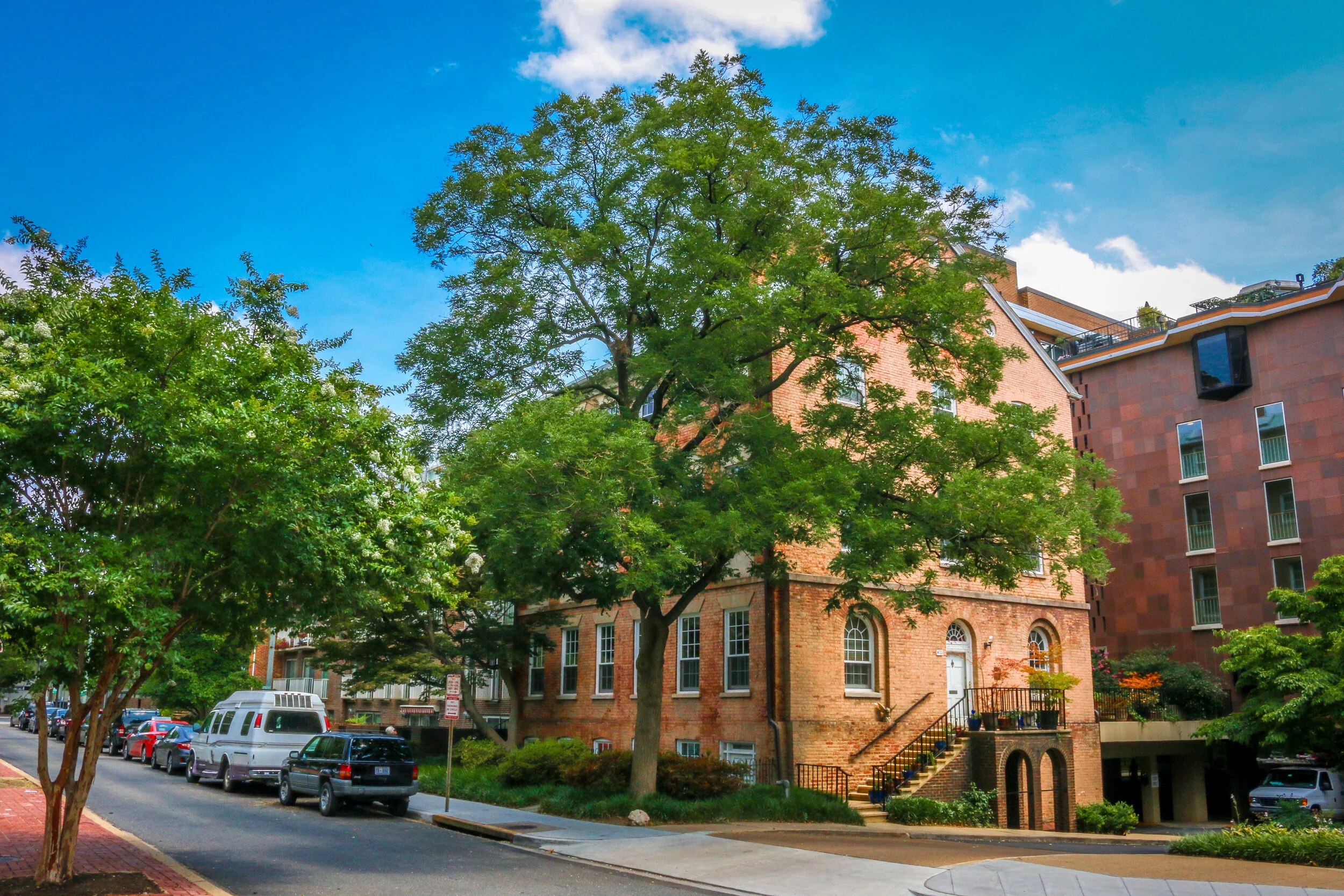
Unlike most of the other properties I’ve featured in this series, Wheat Row hasn’t had any really famous residents. Nor has it hosted presidents or had any major historical events take place within its halls. If anything, it is reminiscent of how the regular people lived in the early days of Washington D.C. - just a common set of row houses set along an ordinary street.

The four connected townhouses which make up Wheat Row were built around 1794 and designed by architect William Lovering, whose architecture has featured prominently in this series so far. Even when they were built, the Georgian architectural style was considered out of date. People found the houses “small and poorly constructed of inferior materials”, and yet there they stand, 225 years later.

Wheat Row takes its name from one of its early residents, John Wheat, who lived in 1315 as early as 1819. Wheat was a local designer of gardens in the city and was listed in one census as a congressional messenger. He would later purchase 1319 and 1321 as well and his family lived along Wheat Row until a few years after the Civil War.

Comment

D.C.'s Oldest Homes - The Maples

Comment

D.C.'s Oldest Homes - The Maples

The Maples was originally built for Captain William Mayne Duncanson between 1795 and 1796 on property he purchased for $960. The Late Georgian style mansion is the oldest building still standing on Capitol Hill. The two story main house and detached outbuilding which served as slave quarters and a carriage house was designed by architect William Lovering who designed several of the properties I’ve features in this series. During the house’s construction, the captain lived in the Duncanson-Cranch House on N St. SW which was the last property we looked at. George Washington was a dinner guest at The Maples while Duncanson lived there and the president was said to have called it “a fine house in the woods”.

Duncanson’s real estate investments in the city eventually led him into bankruptcy, and he lost this house in the process. It served as a hospital after the Battle of Bladensburg during the War of 1812 and soon thereafter was purchased by recent Star Spangled Banner author and future D.C. District Attorney Francis Scott Key. Interestingly, at the time he purchased The Maples, Key was living at 3518 M St. in Georgetown, a block or so away from the Forrest-Marbury House featured earlier in this series. The Key family likely never lived in The Maples though, except perhaps briefly after selling their Georgetown home in the 1830s.

In 1838 The Maples was purchased by Major Augustus A Nicholson, the Quartermaster of the United States Marine Corps, and became the center of military entertainment in the Capital City. Sadly, Major Nicholson’ wife committed suicide in the house and is said to still haunt the property with her tormented cries…

Comment

Snapshots: Chasing Lincoln's Assassin - On The Trail of John Wilkes Booth

Comment

Snapshots: Chasing Lincoln's Assassin - On The Trail of John Wilkes Booth

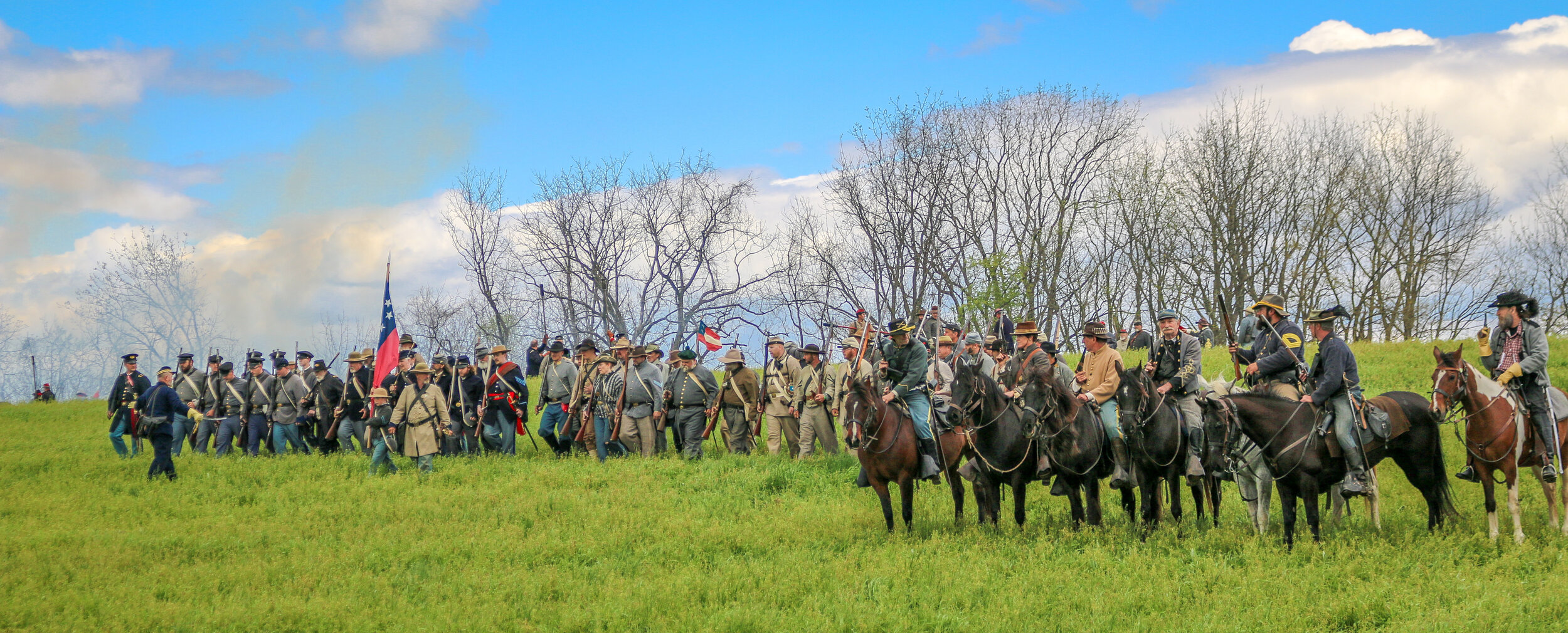
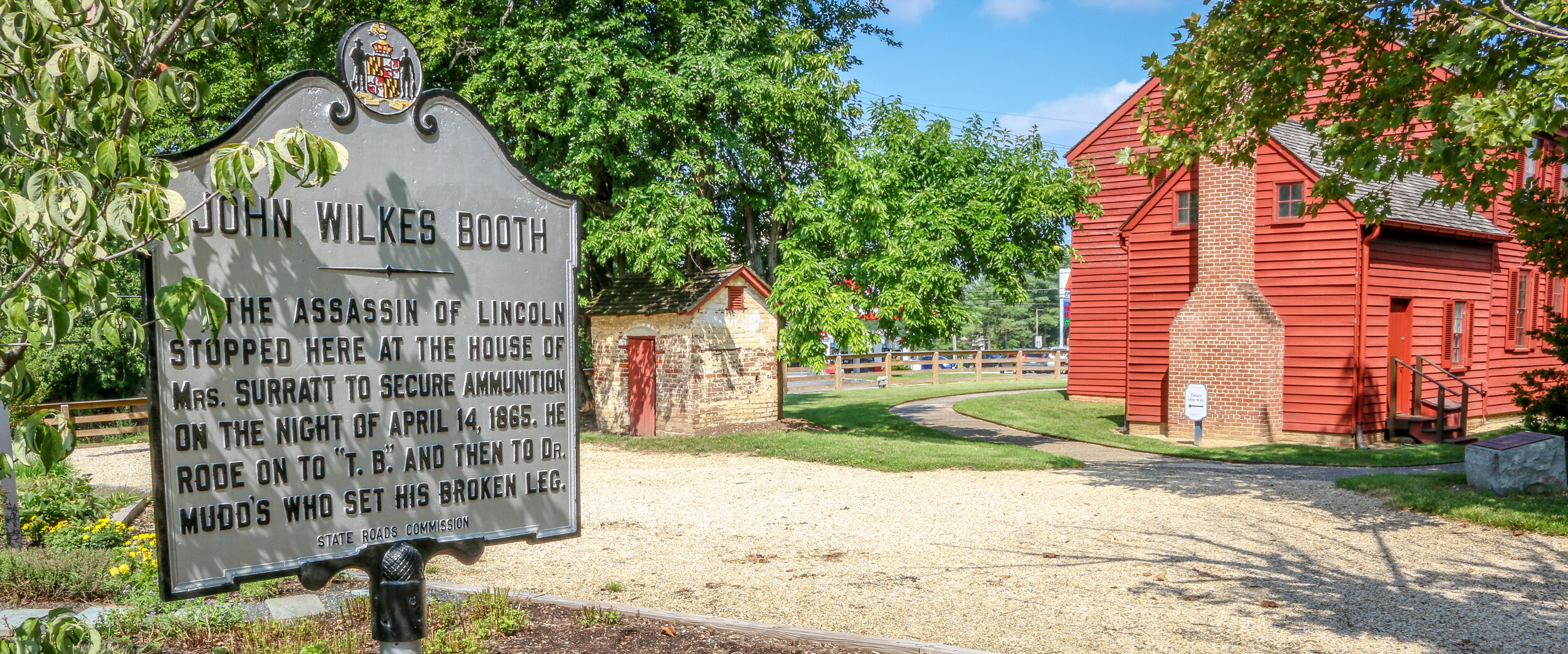
As many of you remember, we spent much of the spring and early summer tracing the battles of the Eastern Theater of the Civil War from Manassas to Appomattox. As we got to the end of the war though, we came to realize that there was one more casualty we needed to consider and one more route to follow to gain some closure to our tour. That was the trail taken by John Wilkes Booth after he assassinated Abraham Lincoln on April 14th, 1865 at Ford’s Theater. Booth and his accomplice David Herold led the authorities on a nearly two week manhunt which ended on April 26th when Booth was cornered and killed on the Garrett Farm in Virginia. This route is now one of Maryland’s scenic byways and one of the country’s more historic ones.

Our day began at historic Ford’s Theater. Ford’s Theater is a wonderful place managed by the National Park Service and just blocks from the White House which still functions as an active theater. My folks and I try and get there every December to watch their wonderful rendition of A Christmas Carol. The box where President Lincoln was shot is preserved and well cared for and there is a small museum in the basement dedicated to the assassination. After Lincoln was shot, he was taken across the street to The Peterson House, where he would die of his injury soon thereafter. The Peterson House is also managed by the National Park Service and is open for tours.

Booth, on the other hand, leapt to the stage, catching his boot spur and breaking his leg in the process, but still managed to escape out the back door of the theater. There he mounted his horse and sped off into the night, crossing the Potomac on the Navy Yard Bridge and then rendezvousing with his accomplice David Herold. The two quickly made their way to the tavern of Mary Surratt in Surrattsville near Clinton where they retrieved rifles, field glasses and other supplies they had stashed there…

Comment

D.C.'s Oldest Homes - The Duncanson-Cranch House

Comment

D.C.'s Oldest Homes - The Duncanson-Cranch House

This house was built in 1794 and designed by architect William Lovering who is also credited with designing the Thomas Law House (featured last in this series), The Maples (which will be featured next), the Octagon House and Wheat Row, both of which will be featured later in this series. The house was designed in the Federal style popular at the time and was built as a double house, occupying 468 and 470 N. St. SW.

The lot on which the house was built was originally owned by Notley Young who deeded it to the City Commissioners when the site of the federal city was first determined. Captain William Mayne Duncanson, a wealthy merchant who came to Washington from Europe on a boat with Thomas Law in 1795, lived in the 470 half of the double house from 1795-96. He lived in the house while awaiting his new home, later known as The Maples, was being built on Capitol Hill. The Maples will be featured next in this series.

Several years later, the other half of this house was occupied by William Cranch. Cranch was the son of Mary Smith whose sister was Abigail Adams, making William the nephew, by marriage, of President John Adams. William married Nancy Greenleaf in 1795 and had four sons and three daughters. Their great-grandson was poet T.S. Elliot

A Harvard educated lawyer, Cranch moved to Washington D.C. in 1791 where he worked in private practice for 10 years. From 1800-1801 Cranch served as a City Commissioner for the District before being nominated by his uncle, John Adams, to serve on the newly established U.S. Circuit Court for the District of Columbia

Comment