The National Air Force Museum in Dayton, Ohio houses a massive collection of aircraft ranging from the very earliest flyers to space-age satellites. Highlights include Boxcar, the plane which dropped the atomic bomb Fat Man on Nagasaki in 1945 and the newly restored legend Memphis Belle. Also on display are all of the retired planes which have carried United States Presidents throughout history. You can go inside the plane which carried John F. Kennedy's body home from Dallas while Lyndon Johnson was being sworn into office on-board. The museum is free and open 7 days a week. While touring the museum, my eyes were drawn to my favorite aspect of old planes: the nose and tail art which was often hand-painted by the airmen themselves. These are often telling of the men who painted them and the situations in which they found themselves, many of them as far from home as they had ever been. Here are some of my favorites from my recent visit to the museum.
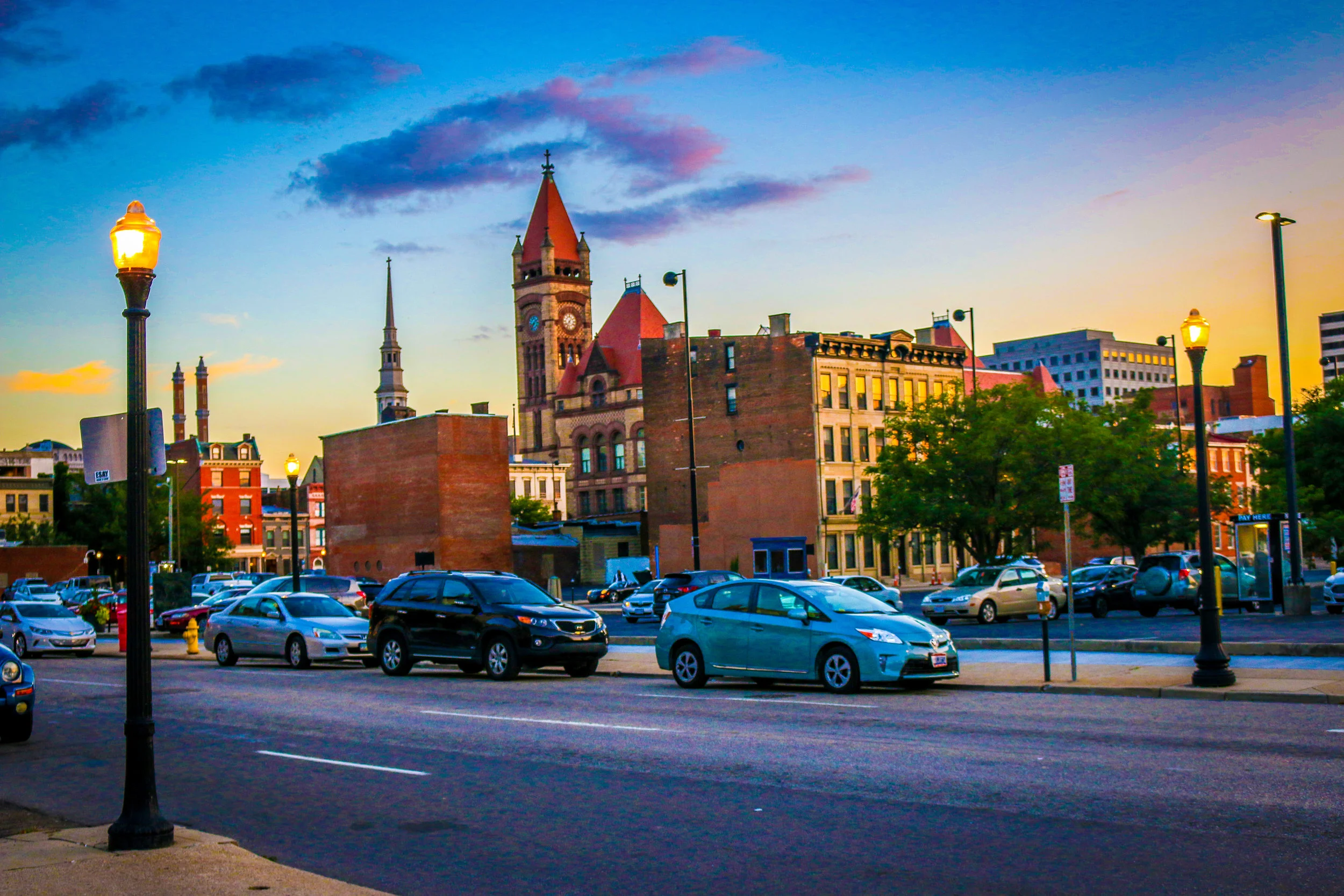
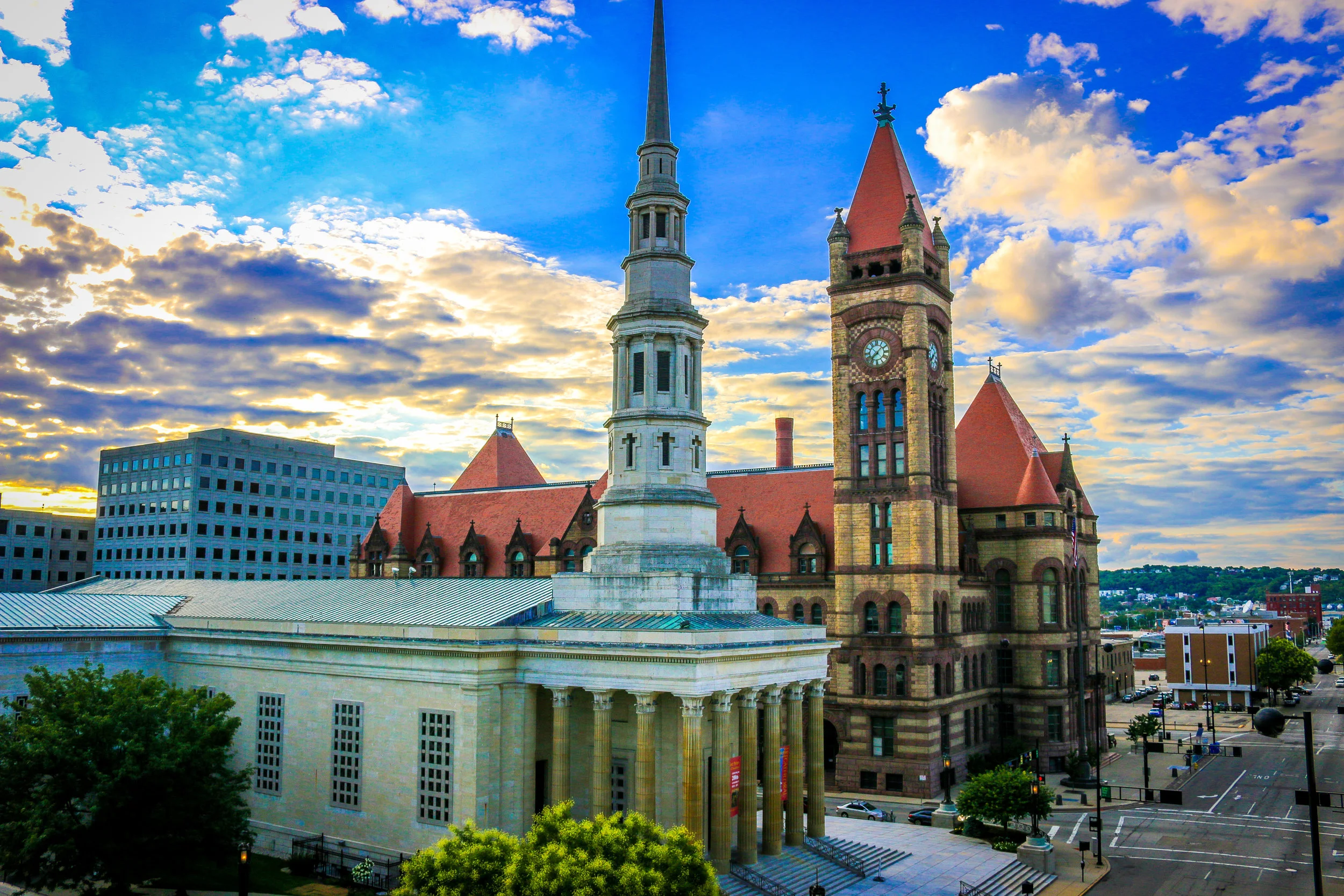
Originally settled in 1788 at the confluence of the Ohio and Licking Rivers, Cincinnati grew to be the largest inland city in the country and the sixth largest overall in the years leading up to the Civil War. In the latter half of the 19th Century, Cincinnati was often referred to as the "Paris of America" due to its many large and beautiful buildings. Today, many of these grand old dames still tower over the city harking back to a time when things were built with style and built to last. I spent most of my time in Cincinnati with wide eyes and my camera whirring away. Here are some of my favorite old buildings ranging from private homes to churches to public buildings. Cincinnati is definitely a city worth visiting for many reasons, but the architecture was definitely what struck me the most. Enjoy!
Sadly leaving Athens County behind, I stopped for a brief visit at the Buckeye Furnace State Memorial. Tucked back in the woods, this was a great place to learn more about the production of pig iron, an industry that brought a lot of wealth to the region. I had the place all to myself but could imagine the small community which once stood there and kept the furnace going. This was another of Appalachia's hard labor industries, and one that disappeared as the iron ore dried up and the nation's demands shifted to steal. It was a cool place to visit.
From there I headed out to the Bob Evans Farm in Rio Grande where I had a big breakfast for lunch and wandered around the property for a while. I learned the story of Bob and how he started with a steakhouse, but soon started making sausage as well. This sausage would catapult his business into one of Ohio's best known names.
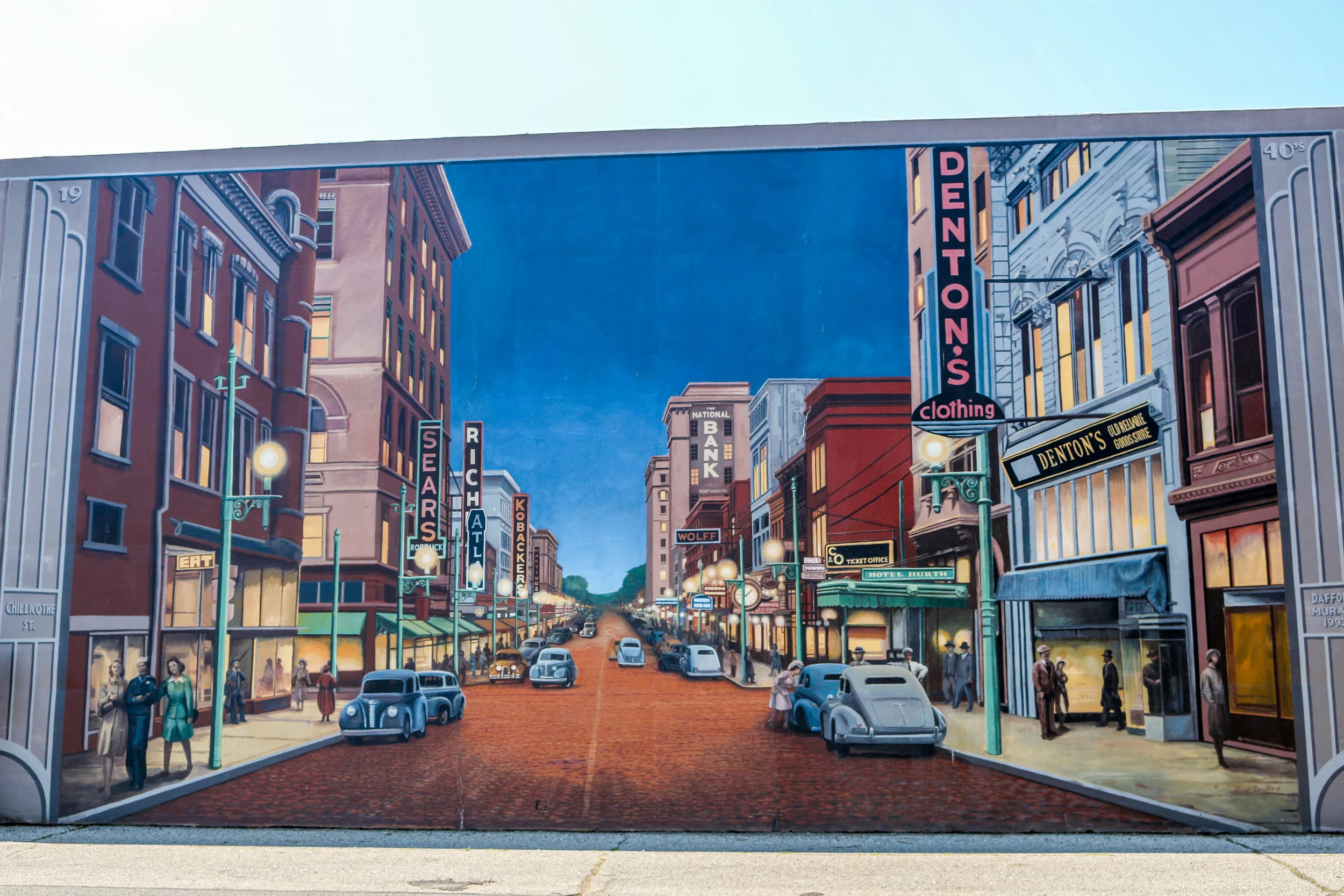
Inspired by murals he had seen across the state in Steubenville, Dr. Louis Chaboudy hoped to create something similar in his hometown of Portsmouth. In 1992, he commissioned Robert Dafford to begin work on a project which would last 10 years. Over that time period, Dafford painted over 50 murals which stretch 2200 feet along the Ohio River. These murals tell the history of Sciotto County and of the people who have lived there. It is a wonderful project which I really enjoyed visiting. The local Visitor's Center provides brochures and even a cell phone tour for your visit. Unfortunately I was shooting into the sun while I was there, and all of the murals are different sizes making it difficult to crop them and still have a nice layout for this post, but I still thought that they were wonderful and wanted to share them with you today. Enjoy!
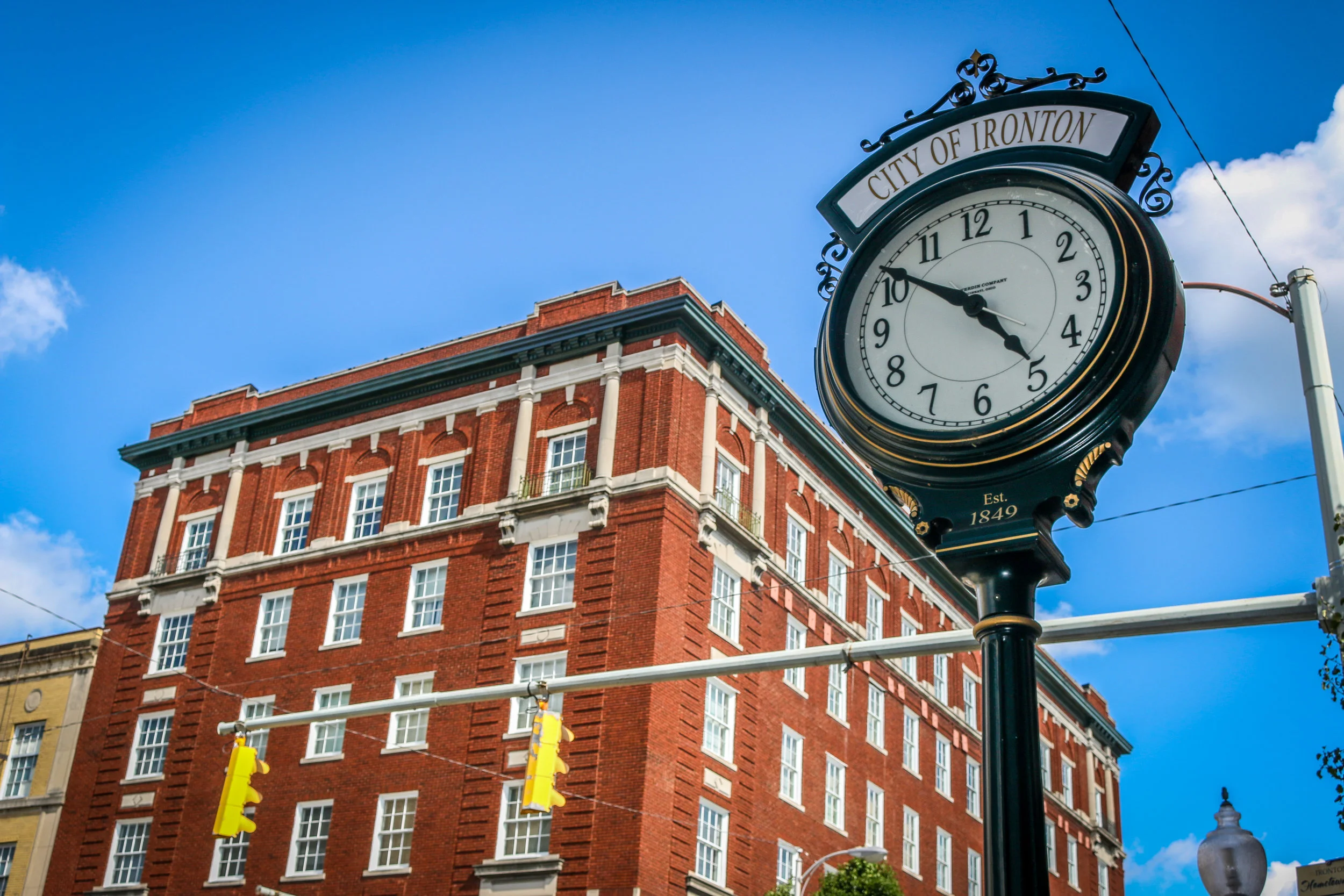
Founded in 1849 on the Ohio river and due to the area's rich iron-ore content, Ironton grew to be one of the largest iron producing regions in the world. The iron industry continued to grow through the latter half of the 19th century, and Ironton prospered. As the area's iron played out and the nations demands transitioned towards steel, Ironton's prominence diminished. The decline of the iron industry, coupled with two devastating floods nearly wiped out Ironton. Today it is a shadow of its former self, but still has some fascinating buildings that hark back to an earlier time. Driving through on a beautiful afternoon, I had to stop and take some photos. It was a really cool city to visit and I don't have to use too much imagination to picture it during its heyday. Enjoy!
The southeastern corner of Athens County, Ohio sits right across the Ohio River from West Virginia, making it a perfect transition as I begin my month-long exploration of the Buckeye State. While the city of Athens is home to Ohio University and exhibits all of the best qualities of a quintessential college town, you don’t have to drive far before it becomes clear you are definitely still in Appalachia. As I drove the back roads and explored the history and culture of the area, I found it both new and familiar at the same time. The history of Athens County is fascinating, and in this post I’d like to tell you all about it through six stops I made as I visited the region.
It's been a few weeks since last we met. I've been spending some time with friends and family both at home in Washington D.C. and on the road with my dad in West Virginia and my brother and his kids in New Hampshire. It was nice to be with my people for a while and to take a break from the challenges of being on the road. I needed a little time to think and reflect and not have to worry about where I'm going to sleep tonight. It's been eight months since this project began, and it needed a little reflection and redirection. I have now entered Ohio, my fifth state, which when I leave will mark 10% of the journey complete. While I had hoped to spend a month in each state and be further along than I am, the whole point of the trip is not to be rushed and to see what I want to see. Before I move forward, I thought I would share some thoughts with you on the journey so far, and where I see this going in the months and years to come…
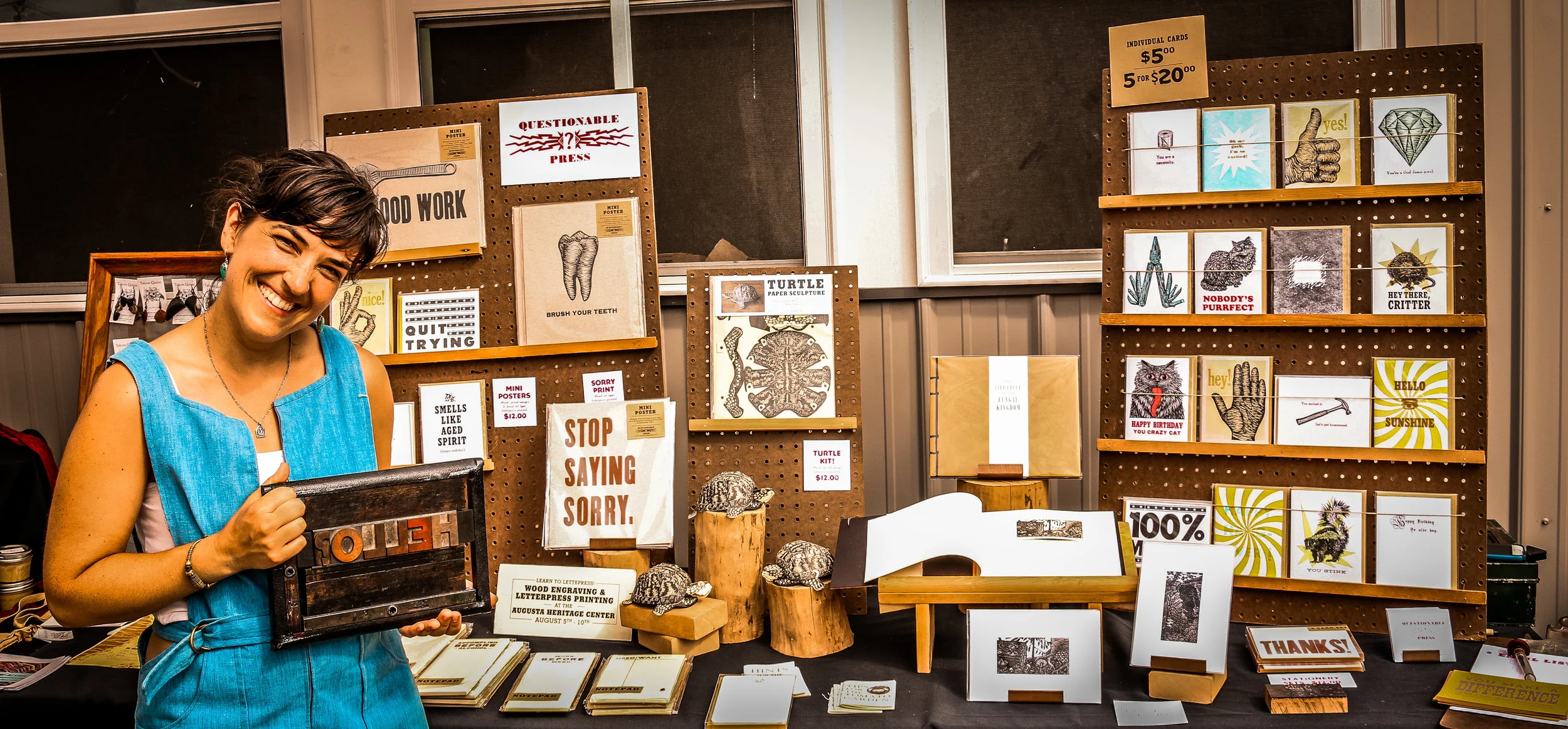
If you've been following my travels, you know how much respect I have for traditional arts and crafts. In an era of mass-produced crafts imported from China and sold at every Pier One and Crate & Barrel, I consider myself very fortunate to stumble across someone using traditional methods to produce hand-crafted items. When I was introduced to Sarah Brown this past weekend as someone doing traditional letterpress printing, I knew I had to find out more. Sarah and I sat down to discuss her craft and some of the projects she's been working on. The more I learned, the more fascinated I became with the process and the more respect I had for the patience required to create these products.
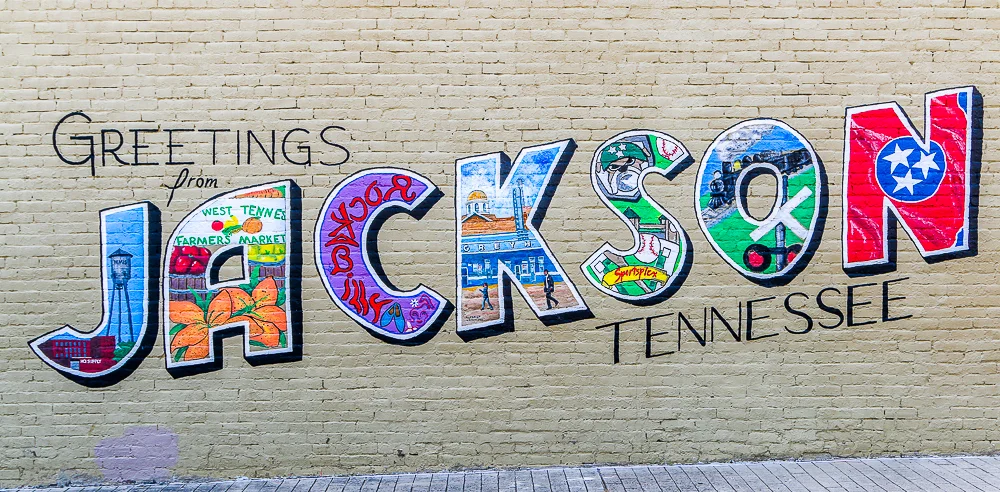
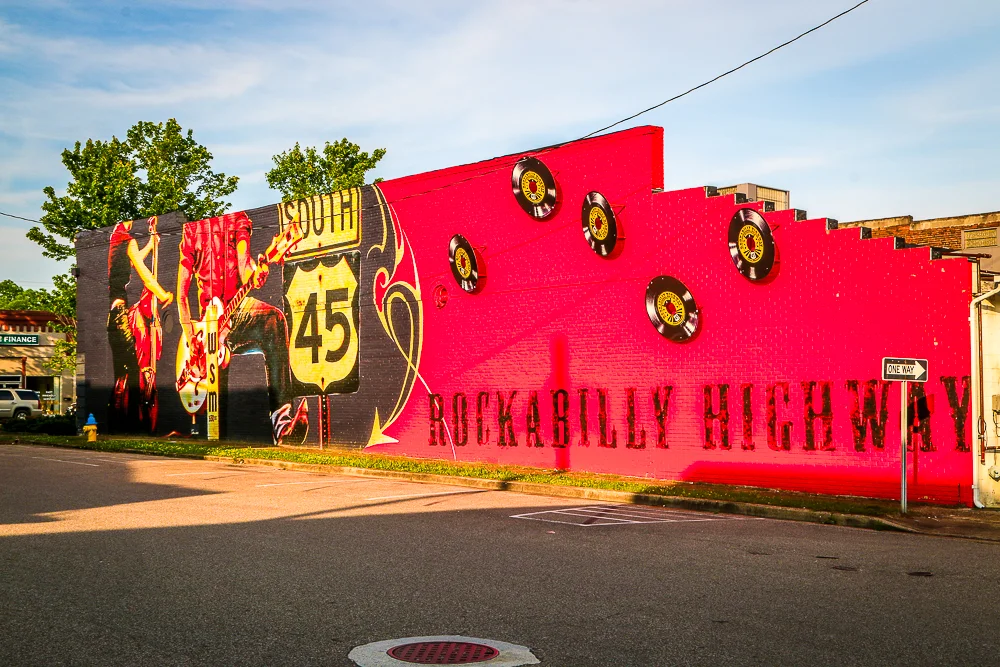
I have driven Highway 40 from Memphis to Nashville many times. In fact, when discussing the trip I'm currently on, I often reference this drive. I tell people that when I was working as a tour guide I always rushed between the two cities because there is SO much to do in each, but I always wondered what was happening in between. Now I have an answer to that question, and the answer is A LOT. If you have the time to spare, making a day of this journey is well worth it. Here are just some of the things you should definitely check out on the way, with stops in Jackson and Brownsville…
It's been another great week on the road, this one spent in wonderful West Tennessee. It's been a hot week, as summer is moving in fast here in the south, but with it come the festivals and fun of the season. My week has been full of barbecue and music and really good people. West Tennessee is very distinct from the eastern part of the state, more resembling the Mississippi Delta which it is intimately connected to, than the rest of Tennessee. This region is flatter and poorer than the east of the state, but it is still full of wonderful stops and cool things to see.
When I finally left Nashville, I headed down the Natchez Trace Parkway. The parkway roughly follows the old Natchez Trace, an ancient trail which leads from Natchez, Mississippi to Nashville. In the days before the great paddle wheelers plied the Mississippi River, boats carrying cotton, hides and other goods made a one-way trip down to the major port of Natchez. The boatmen would then sell their boats, whole or for scrap and walk back up the Natchez Trace 400 miles or so back to Nashville and start all over again. It was interesting to duck off the Parkway and walk some of the historic trail and imagine myself back in those days doing the same.
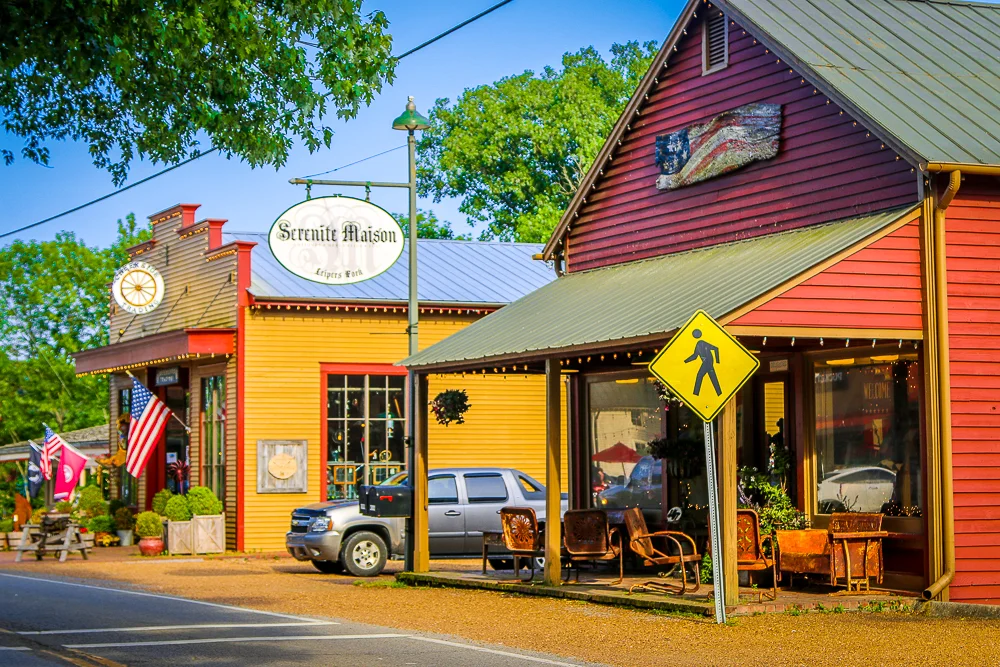
I've had a lot of good days since this trip began back in November. I've had a good number of so-so days and a few bad ones as well. This last Saturday though, was a pretty awesome day out here on the road and darned close to perfect in my opinion. The stars aligned over Franklin, Tennessee to create a day which left me tired but feeling really good about life and this journey. If only we could all have a day like this last Saturday was for me now and again, the world would be a better, happier place.
The day started off cool, allowing me to sleep in a little bit in my van. As spring has started to give way to summer here in the South, and as I have moved into Central Time, it starts to get warm in my van pretty early. Saturday I had myself parked in the shade of a nice tree, though, allowing me a little extra sleep and waking up well rested for my big day. Once I was up and caffeinated, I headed off to the gym for a good morning workout..
It's been a pretty quiet but fun week out here in western South Carolina. I've been trying to catch up on some things, so that has taken a lot of my time, but I'm almost there. A lot of the week has been spent here in Greenville, one of my new favorite towns, but it's been great to be here. This next week will probably be my last in South Carolina.
I started the week by finishing my latest podcast. The stories are from the eastern part of the state and this one came out pretty well. It tells the story of Vanna White, from Conway, South Carolina and her rise to fame. I talk about the revolutionary war history of the state and how it led to the state flag. It may look like there's a crescent moon on the flag, but there isn't. Then I talk about Francis Marion, the legendary Swamp Fox and how is bad ankles may have saved the Patriot cause in the Revolution. Next was the story of Robert Small. Born a slave, he made a daring escape and dash to freedom during the Civil War and went on to win a seat in the U.S. House of Representatives. We hear about the S.S. Central America and how, when it sunk off the coast of South Carolina...