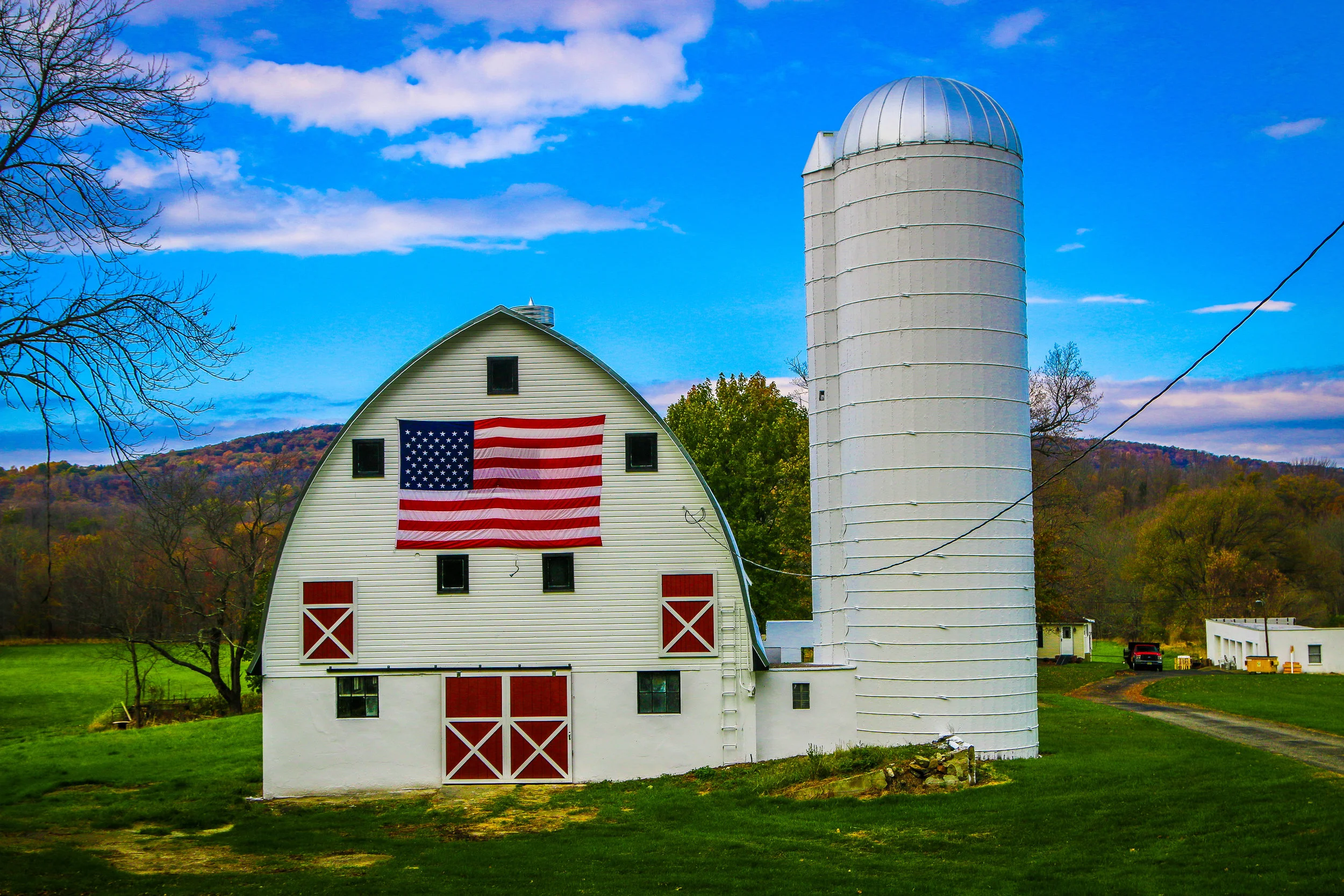
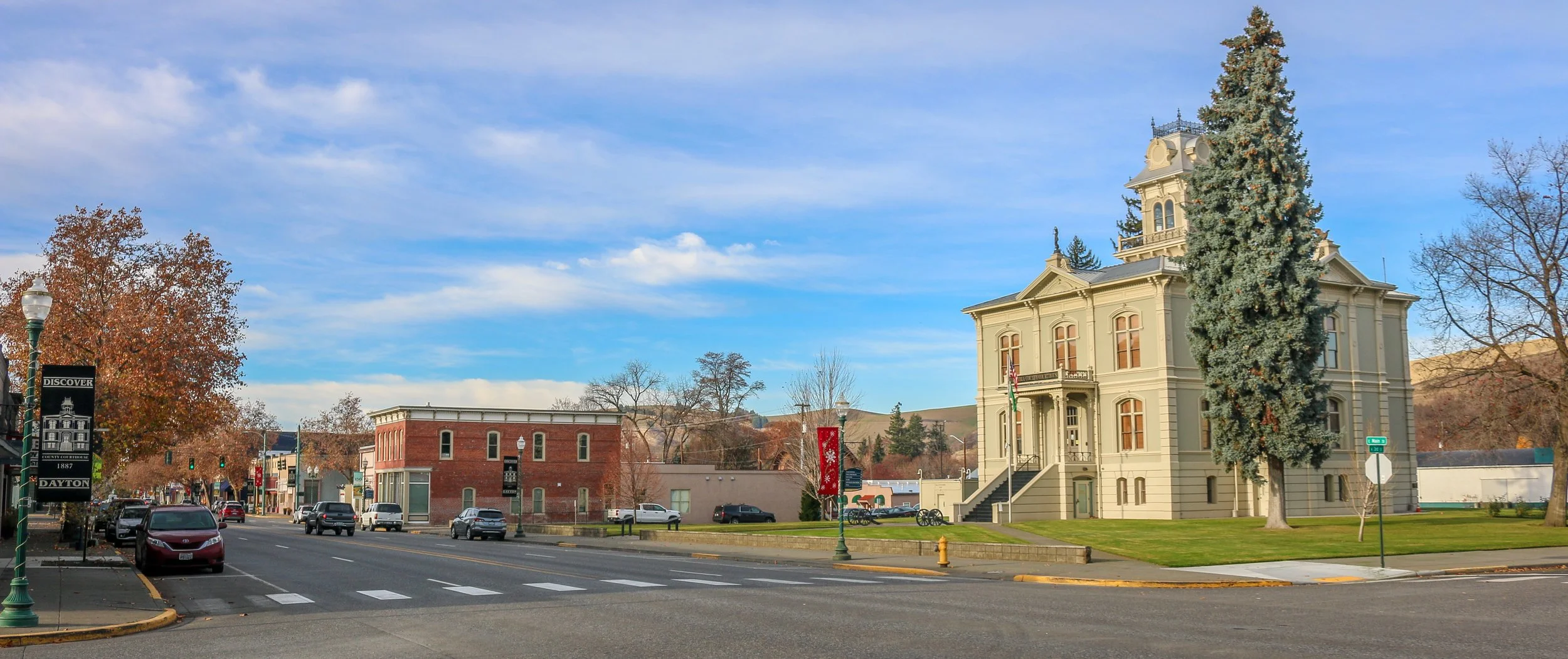
When I drove out to Palouse Falls I knew it was in the middle of nowhere and I knew I would stay until sunset. What I didn’t know is where I would end up for the night. I figured I’d just drive until I found somewhere good. When I pulled into Dayton, I knew I was there. Dayton is the cutest town I found anywhere in the Pacific Northwest. The historic 1881 train depot (Washington’s oldest), the circa 1887 county courthouse, the old schoolhouse and the historic Liberty Theatre are so quintessentially small-town America that they made me smile from ear to ear. The bustling main street with the delightful Moose Creek Bakery and the wonderful Buckwheat Brewery was great too. I think what made me smile the most, though, was their undeniable local spirit. It seemed as though everyone in town was supporting The Bulldogs with hand painted signs in almost every window. I had a wonderful stay in Dayton and lingered longer than I ever would have imagined. I hope you enjoy these pictures of beautiful Dayton, home of The Bulldogs and Washington’s picture perfect small town.
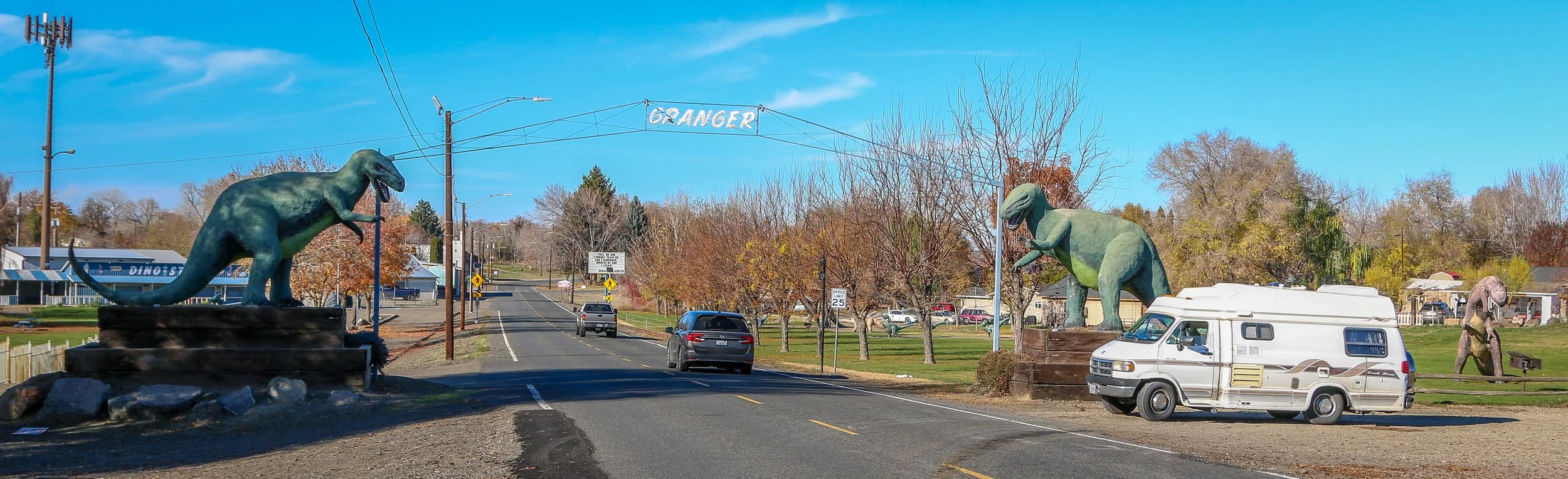
Because when you’re driving in the middle of nowhere and you look to your left and see dozens of dinosaurs roaming through a little town, you just have to stop and take a look. When you’re 100% sure that they’re not moving, you can get out and take some photos. Granger installed its first dinosaur statue in the 1990s in an effort to attract tourism (keeping in mind that Jurassic Park came out in 1993). There are now over 30 dinosaurs around town and Granger hosts their annual DIno-Days each June. I thought it was a fantastic little town and definitely worth a stop. I hope you enjoy these photos from Granger, Washington - The City Where Dinosaurs Roam.
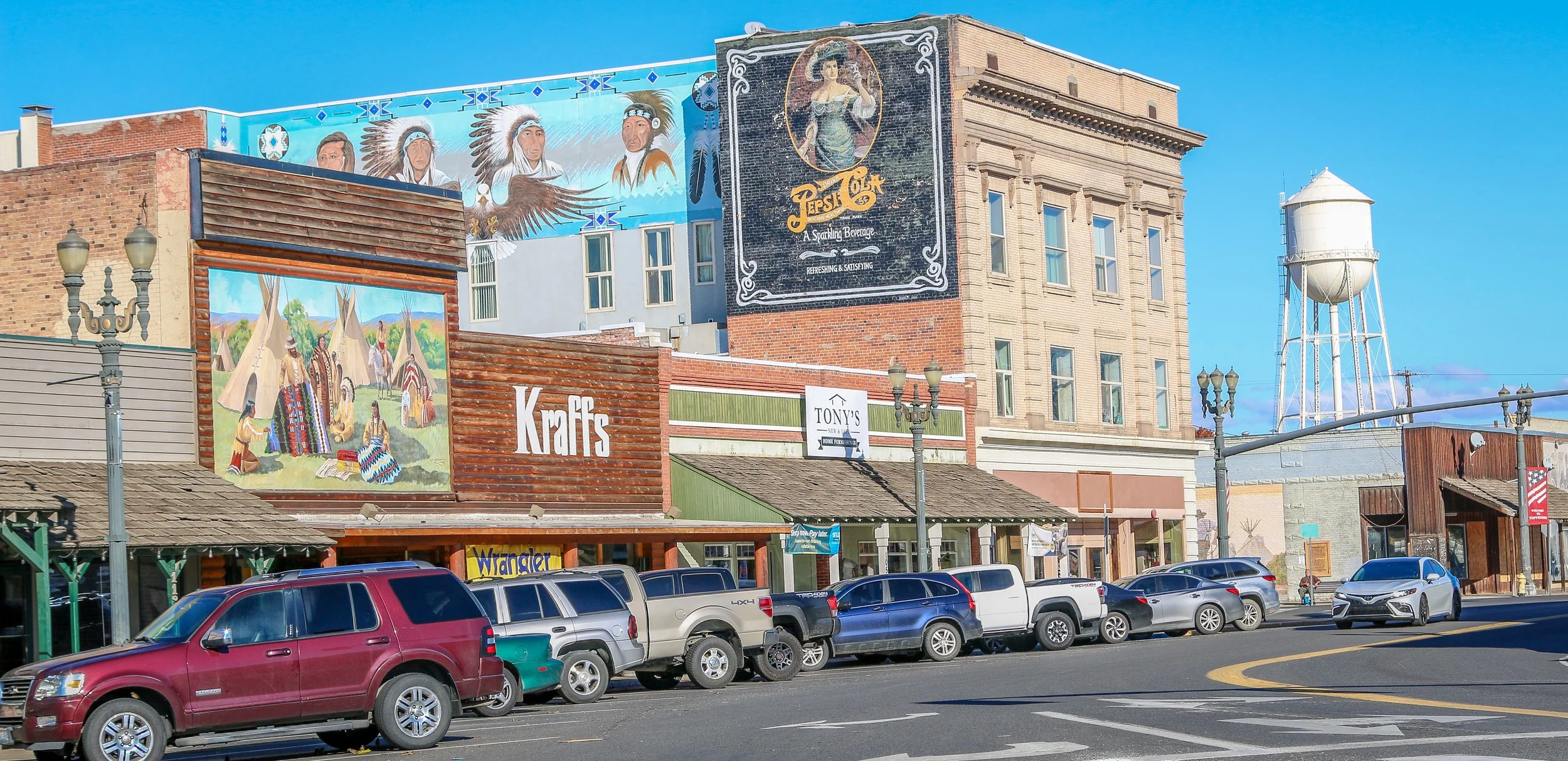
Toppenish is a cute little town with an Old West feel on the Yakama Indian Reservation in Southeast Washington State. It’s home to the wonderful Yakama Nation Cultural Center which was one of the better American Indian museums I’ve visited in the state. You can also find the Northern Pacific Railway Museum and the American Hop Museum which cover two of the main industries in the town’s history (both were sadly closed during my visit). Toppenish gets its name from a Yakama word meaning “landslide”. It is probably most famous for its 75 downtown murals which depict life in the valley between 1840 and 1940. I had a pleasant stay in Toppenish, and was treated to one of the best sunsets I’d seen in months while I was there. I hope you enjoy these photos from Toppenish, a town of museums and murals in Yakima County.
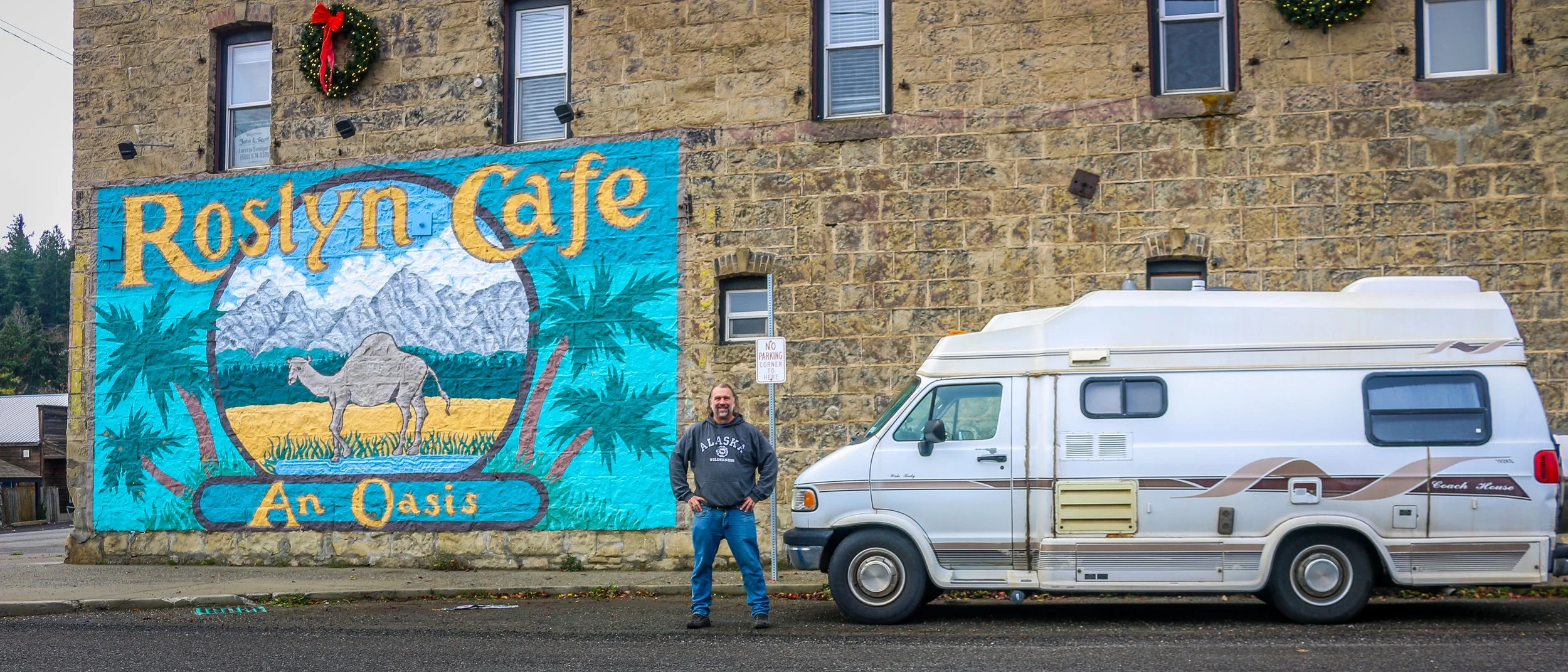
Roslyn is a tiny town of less than a thousand people in the heart of the coal mining region of Kittitas County. The community was founded in 1886 as a company town for the Northern Pacific Coal Company. Coal miners came from all over the world to work in Roslyn, creating a diverse community, and many ethnic social clubs began to form. Tragedy struck in 1892 when Roslyn Mine #1 exploded killing 45 local miners in the deadliest mining accident in Washington history. The mines would continue to operate until 1963. Roslyn has maintained much of its coal town appearance and has been listed on the National Register of historic places. The town has been used as the filming location for several TV and movie projects, most notably transforming into the fictional Alaskan town of Cicely for the show Northern Exposure. The mural of the Cafe Roslyn features prominently in the show’s opening credits and was originally placed there by my friend Gabe’s aunt who ran the cafe and had an affinity for Camel cigarettes. Roslyn is also home to The Brick, the oldest continuously operating bar in the state. Just outside of town are 26 fascinating cemeteries which are technically separate but are all adjoining. These served the different social and ethnic societies in their time and provide an interesting window into the town’s past.
I had a great time during my brief stay in Roslyn. I loved all of the old buildings and remember seeing some of them before on TV. Marco’s Place had a great barbecue special the night I visited and the downstairs speakeasy at the Base Camp bookstore was a lot of fun. The Brick is a must-visit place and had live music the night I was there. Although I didn’t see it, there is supposedly an old jail cell in the basement for any patrons who get out of line. I’m definitely glad I made my way out to tiny Roslyn, Washington which really had a lot to offer for a town that small. I hope you enjoy these photos as much as I enjoyed taking them.
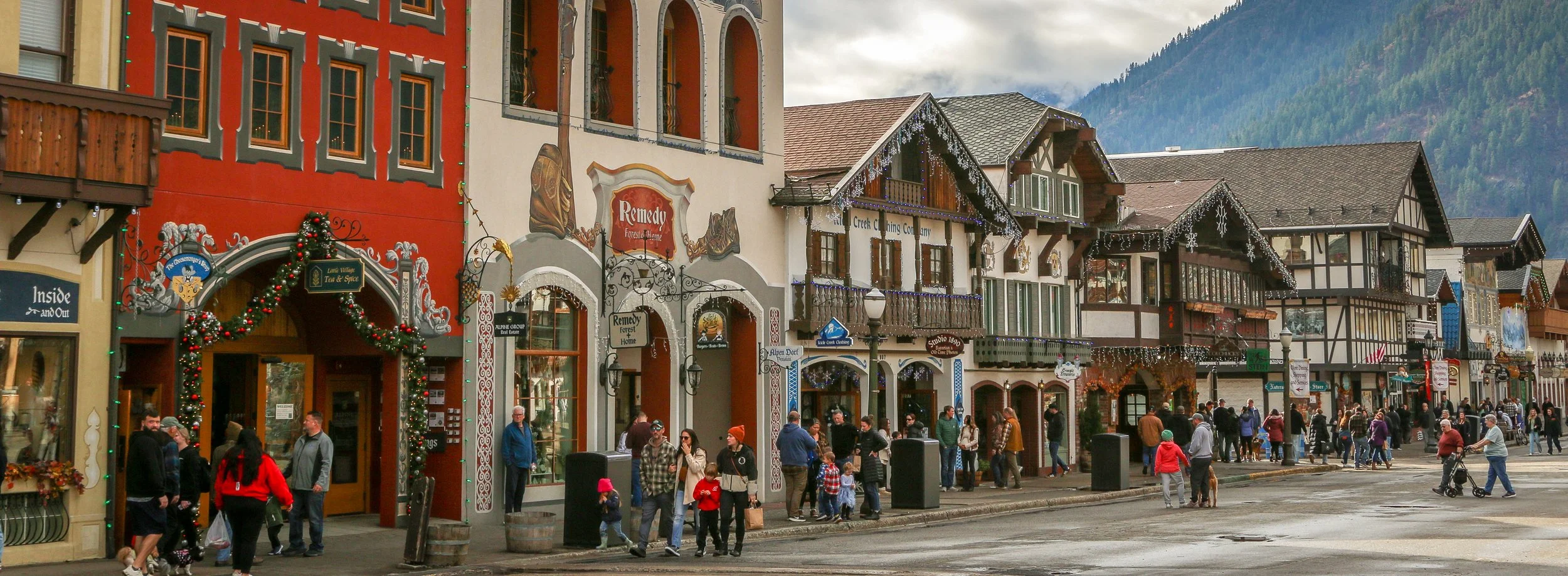
Leavenworth, Washington is a charming Bavarian town in the mountains of Central Washington State. Originally hunting and fishing grounds for the Yakama, Chinook and Wenatchi tribes, the area wasn’t settled by people of European decent until the end of the 19th century. They came for gold, trees and fur and a small village called Icicle Flats began to grow. It took the name Leavenworth after a Portland based surveyor who laid out the streets. The town would boom and then bust with the arrival and then the departure of the railroad. Struggling to survive after World War II, Leavenworth embarked on a bold journey to create a themed Bavarian-style town with the hope of bringing tourism to town. This took a huge investment of time and money, but today over 3 million visitors come to stroll the village, shop, and enjoy the many dining and entertainment options on offer. Yes, it is touristy and a little silly but in the best possible way. During my visit I saw so many people walk into town with a huge smile on their faces as they left their troubles behind. I know I enjoyed my stay and it’s a town I will definitely return to in the future. Leavenworth is a Bavarian dream in the heart of Chelan County. I hope you enjoy these photos from my visit:
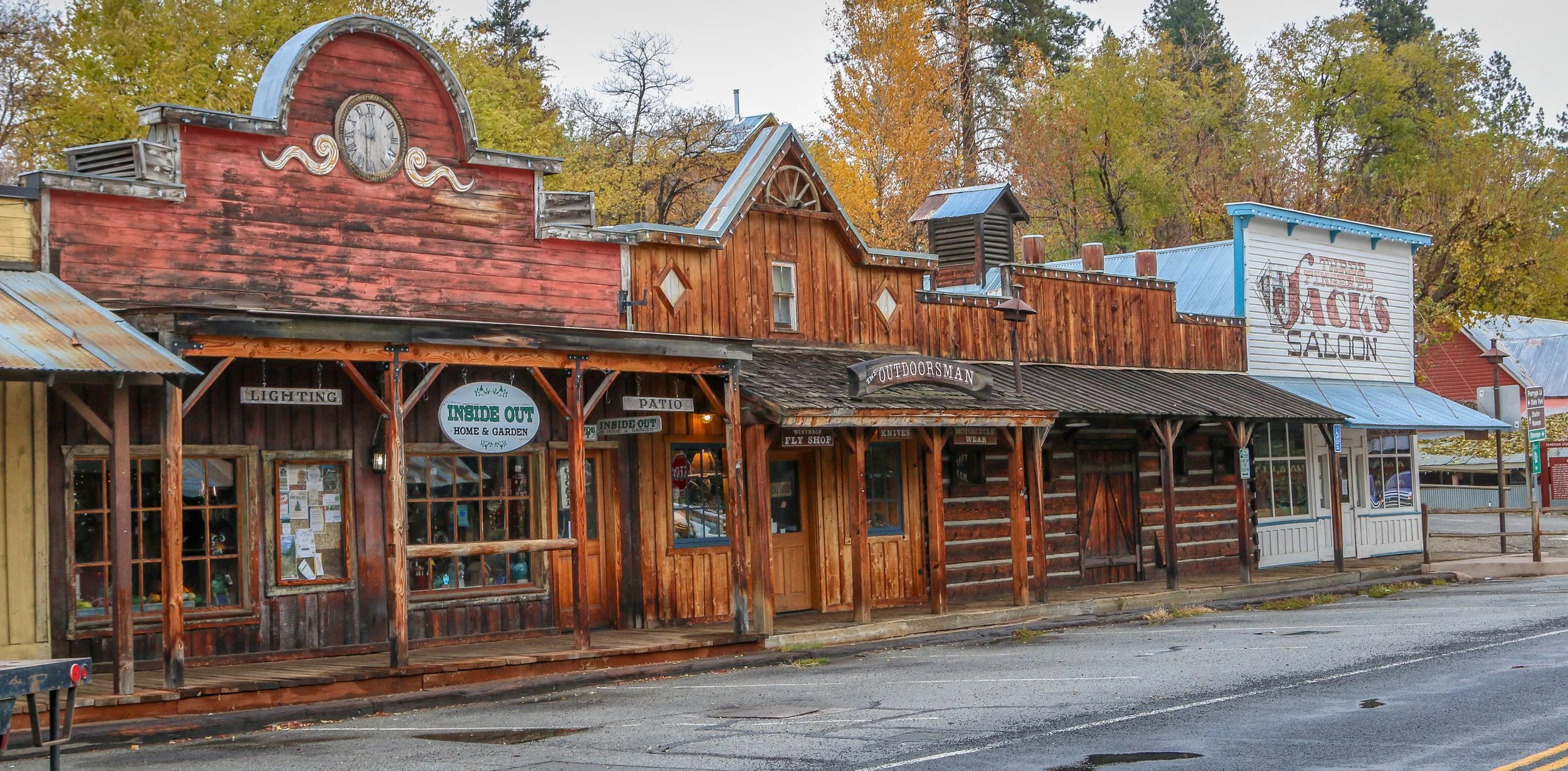
Winthrop is a great little Old West themed town on the east side of the North Cascade Mountains. The area was originally inhabited by the Methow People who made seasonal hunting and fishing camps along the Methow and Chewuch Rivers. In 1891, a man named Guy Waring, who had been a Harvard classmate of Theodore Roosevelt, made a homesteading claim at the confluence of the two rivers and established a trading post. As a town grew up around Waring’s store, they chose the name Winthrop after Major Theodore Woolsey Winthrop who had traveled extensively in Washington (and elsewhere) and was one of the first Union officers killed in the Civil War. Guy Waring irrigated the town, built a sawmill, started a cattle ranch and an apple farm and ran the Duck Brand Saloon in town (now Town Hall) before returning to the east in 1917. Winthrop carried on without him. The town was an early adapter to tourism with several dude ranches opening in the 1930s. When the road through the North Cascades was finally ready to open in 1972, the people of Winthrop adopted a plan to beautify the downtown area with an Old West theme. The result is a fun town that you have to simply have to stop and wander through. I had been to Winthrop before, several years ago, and was looking forward to checking it out again on this trip through. I love the architecture in Winthrop, especially the glistening white Farmers State Bank and the Old Schoolhouse Brewery. The Shafer Museum is also excellent and is mostly outdoors so it is accessible even outside of their business hours. I really enjoyed my stay in Winthrop and the cloudy skies helped portray how chilly it was there in late fall. I hope you enjoy these photos from beautiful downtown Winthrop, Washington’s Old West town.
Coupeville is an adorable little waterfront town on the shores of Penn Cove on Whidbey Island. The architecture reminds me of a quaint little New England town and is very well preserved. Originally Lower Skagit Indian land, the area was settled in the 1850s by Thomas Coupe, for whom the town is named. Coupeville is a small town with a population of right around 2000 people. It’s also home to Ebey’s Landing National Historic Reserve, the first site of its kind in the country which preserves the old buildings and countryside of the 19th century settlers. I had a great visit to Coupeville, enjoying coffee on the pier and wonderful views out over the water. There are some lovely little Victorian buildings around including the immaculate Anchorage Inn and Kineth House. I loved all of the seasonal and Halloween decorations that were up when I visited as well. The highlight of my visit was probably the fish and chips at Toby’s, though. You can get fish and chips everywhere in Washington, but these were the best I’ve had in a very long time. You should definitely check it out if you visit. I hope you enjoy these photos of tiny Coupeville, Whidbey Island’s waterfront gem.
Most states have at least one town with a European theme and if you’ve been following this blog for a while, you've seen that they are too rich in photography opportunities to pass up. Which is the point. Poulsbo, a small town of just over 11,000 residents, is a beautiful example of how to do this well and judging by the number of tourists I saw there during my stay, it’s working well for them.
This area was originally inhabited by the Suquamish people who currently live on a reservation just down the road. After the Treaty of Point Elliott was signed in 1855 moving American Indians in Washington onto reservations, the vacated land was open to settlement. Norwegian immigrant Jørgen Eliason founded the townsite in 1880 and was soon joined there by other Scandinavians who appreciated the landscape and location on what’s now called Liberty Bay. When the town grew to a size that it needed a post office, one citizen recommended “Paulsbo” after his Norwegian hometown. The authorities in Washington DC misread the handwriting on the petition and the town would forever after be known as Poulsbo instead. Norwegian was the primary language spoken in the town until World War II when the town experienced an influx of GIs who came to work at the nearby Puget Sound Naval Shipyard in Bremerton.
I had a fantastic time in Poulsbo. I was thrilled to find some great Oktoberfest beers on tap and delicious European comfort food at Tizley’s Europub. I enjoyed another great fest beer while sitting next to a lovely outdoor fire pit at Valholl Brewery, and live music at The Brass Kraken finished off the night. The next morning I had a delicious pastry from Sluy’s Bakery and then sat down to all-you-can-eat pancakes at the Sons of Norway Hall. In between all of that fun, I managed to take some great photos, especially around dusk when the water was still and amazingly reflective. I hope you enjoy these photos from beautiful Poulsbo, Kitsap County’s Little Norway.
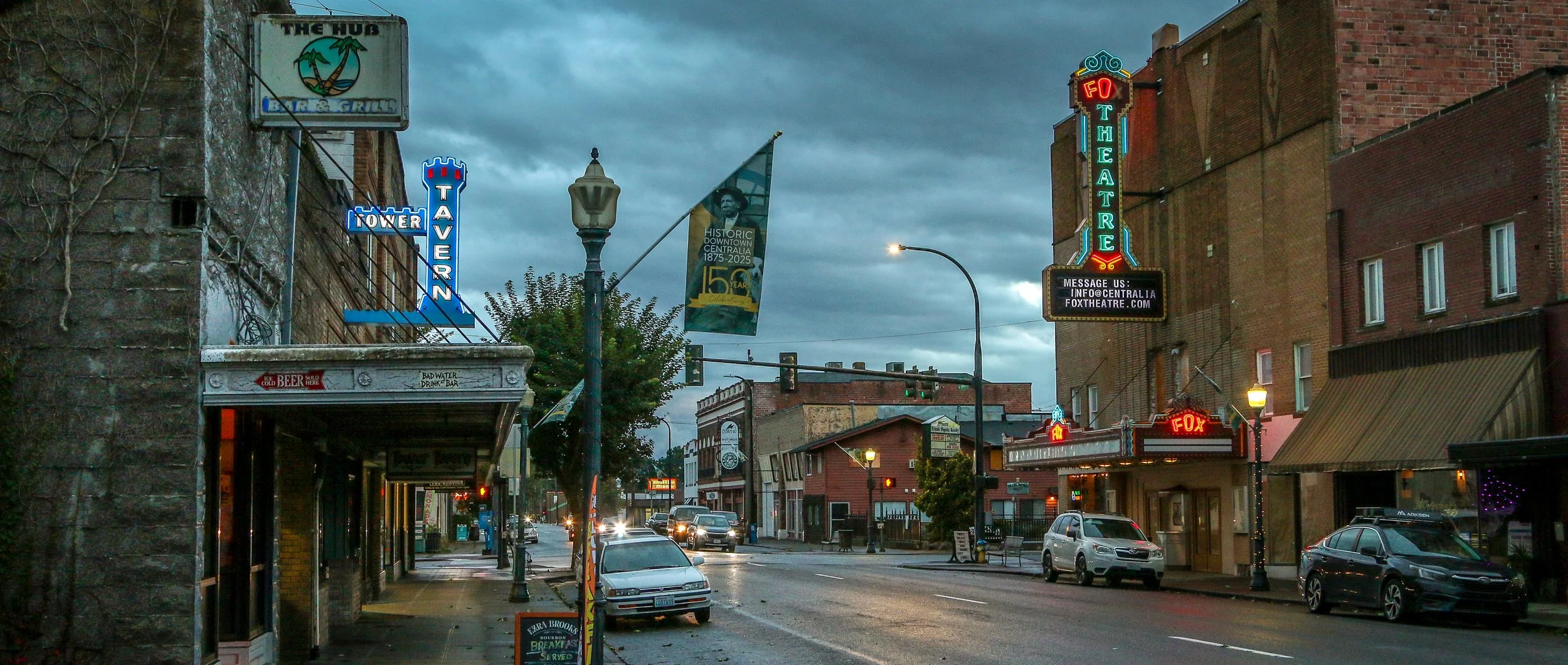
I came to Centralia to enjoy a night in the storied Olympic Club - a century old private men’s club turned hotel and bar. The beautiful, old mahogany bar, enormous woodstove, leaded glass fixtures and spacious pool room were all I imagined them to be and more and I definitely recommend a visit. But there was more to Centralia than the club. I found some great neon signs, a cool old theater, some colorful businesses, friendly locals and one of the prettiest tower clocks I’ve ever seen (so pretty I included day and nighttime photos below!).
This area was originally home to the Upper Chehalis people and settlers started arriving down the Oregon Trail in the mid 19th century. One of the original non-native settlers was a free Black man named George Washington who arrived in 1850 with his adoptive parents. Washington is remembered as the founder of Centralia and in 2023 his birthday was officially designated as Centralia’s Founder’s Day. When a road was built, it became the central stopping point on the stagecoach route between Tacoma and Kalama. When the Northern Pacific Railway came through in 1872, a town started to take shape and chose the name Centerville to denote its central location. A few years later, the townspeople worried they would be confused with another Washington town of the same name, so they changed their name to Centralia. It’s had its ups and downs since, but Centralia is still hanging on. Trains still come through town and it’s still a halfway stopping point, but now between Portland and Seattle. If you’re ever passing through on Interstate 5, stop through Centralia for a beer at the Olympic Club and stay for some classic Americana in Hub City. Enjoy these photos from beautiful Centralia, WA.
The area that is now Port Angeles was first occupied by the Klallam and Makah people who thrived with the abundance of natural resources the region provided. In 1774, Juan Perez sailed into the straight and in 1791 Francisco Eliza claimed the area for Spain and named it El Puerto de Nuestra Senora de Los Angeles which would later be anglicized and shortened to Port Angeles. White American settlers arrived in the area in the mid-19th century, and a man named Victor Smith came to town soon thereafter. Smith would have Port Angeles named the official U.S. Customs House and Port of Entry and convinced President Lincoln to support making the town a National Reserve. A lighthouse was built and the Army Corps of Engineers laid out a townsite. Since this made Port Angeles only the second federally planned city in the country after my hometown of Washington D.C. the town was dubbed the “Second National City". When Victor Smith died in 1865, the Port of Entry was moved back to Port Townsend and Port Angeles was all but abandoned. This changed in the 1880s when the railroad arrived and settlers soon chugged into town with it. Like so many other towns in the region, logging soon became Port Angeles’ main industry and the town even claimed the largest sawmill in the world for a bit. The natural deep water harbor has made Port Angeles a major port for both military and civilian ships over the years as well. Port Angeles is the site of the main visitor center for Olympic National Park and is also the hometown of NFL football legend John Elway.
I’ve been to Port Angeles a few times and I always get the same feeling when I’m there: it’s a town that keeps trying and I give it a lot of credit for that. The downtown area’s storefronts are full and there are several nice restaurants and bars to be found. There’s a great bookstore and a fantastic independent outdoor gear store. Port Angeles has supported a lot of cool public art displays and beautiful murals which really liven up the main downtown area. It’s also a great place to do some whale watching. I really like Port Angeles and I was happy to be able to spend some time there taking these photos. I hope you enjoy this little peak into the Olympic Peninsula’s City of Angels.
Breathtaking beaches, glacier covered mountains and incredible temperate rainforests all wrapped up in one amazing National Park? You must be talking about Olympic. Designates as Mount Olympus National Monument by Theodore Roosevelt, the area officially became Olympic National Park in 1938. Covering a massive 1442 square miles, the National Park covers most of Washington State’s Olympic Peninsula. 95% of the park is designated wilderness, meaning you’re going to have to hike in if you want to really see it.
I have been to Olympic before, but really just to catch the highlights at the Hoh Rainforest, Second Beach, Crescent Lake and Marymere Falls. On this trip I spent almost two weeks in the area and saw so much more of what the park had to offer. I did a four day, three night backpacking trip up the Hoh River Trail to Glacier Meadows and then a three day, two night hike around the High Divide/Seven Lakes Basin Loop, both of which were spectacular. I also visited the Quilault Rainforest, Ruby Beach, and Sol Duc Falls while I was there and stopped into the beautiful park lodges at Quinault Lake and Crescent Lake. The highlight for me was definitely the namesake Mount Olympus, but the quiet nights, the sound of water and the incredible wildlife also made me happy. I hope you enjoy these photos of the magical region of Olympic National Park.
Hello Everybody! It’s hard to believe it’s October already. The leaves are definitely turning here in Washington State and the stores are filled with skeletons and pumpkins. It’s definitely starting to cool down and the days are getting noticeably shorter. This week has brought me from the heart of spectacular Olympic National Park to the state capital of Olympia with a couple of cool small towns sandwiched in between. I put in another 20 miles on the trail this week which I’m pretty proud of and finally got my views of Mount Olympus. After a couple of weeks of small towns and national park, it was nice to return to the city, although Olympia is hardly a thriving metropolis. I finished off my week with a night off the road in the classic Olympic Club hotel in Centralia. All in all, it’s been another great week on the road and I can’t wait to tell you all about it…