Viewing entries tagged
Travel

This Week on the Road - July 8th-15th

Comment

This Week on the Road - July 8th-15th

Great Falls of the Missouri River

Hello Everyone,

It’s been a hot week here in Montana. Two weeks ago it was snowing in Butte and two days ago we were hitting record high temperatures across the state. It’s been dangerously hot out, especially since I have no air conditioning in my van. I’ve been holed up here in Livingston for a few days and spent the last two nights in a nice, air conditioned hotel room. It was a nice break from the road and from the heat, but it’s frustrating to feel penned in and not be able to go exploring. It’s been a tough summer so far, and the heat is not making things any easier. I’m much better at dealing with the cold than dealing with the heat and my van is the same. That being said, I did get out and see some cool places this week and I’m very grateful to have some friends to hang out with this week, as that really makes a big difference in my morale. The heat should break in the next day or two, and then hopefully it will be a little easier going.

The Old Milwaukee Road Station in Great Falls

So after I finished up this post last week, I meandered down to the little local history museum there in Great Falls. It was a cute little museum with some interesting exhibits on the history of Great Falls, one called Spirits of Cascade County: Bootlegging, Bureaucracy, and Breweries, and one about feisty Montana women (their words, not mine). There were some cool bronze sculptures and some neat miniature building models as well. They also had a really interesting exhibit in what must have been some sort of event space on the historic Ozark Club, a black owned nightclub which had opened in Great Falls the day that prohibition ended and lasted until the owner’s death. After a nice visit to the museum, I did return to the Sip ‘n Dip Lounge to watch the mermaid in her pool behind the bar. Their tiki drinks were not very good, but the show was fun and I really enjoyed being there. Leaving the lounge, I wandered around downtown a bit and then called it a night.

At the Sip n’ Dip in Great Falls

Thursday morning I was up and off and headed towards Fort Benton. There was a long stretch of construction on the road, but I still got there pretty early. I knew it was going to be a hot day (and week), so I found a parking spot in the shade which makes a big difference. Fort Benton sits at the very end of the navigable section of the Missouri River (aka “Old Misery) and apparently just a couple of hundred yards up the river, it’s shallow enough to walk across (I didn’t test this out). Historically, the bigger paddlewheel boats could only get to Fort Benton in the spring when the runoff was at its peak but smaller boats could get there pretty regularly throughout the year. It originated as a fur trading post, became the main supply route to the Montana goldfields and served for several years as a military outpost, although the soldiers there never saw any real excitement. Fort Benton is a pretty little river town which reminded me of the little river towns on the Mississippi as opposed to the rough and ready towns of the Montana frontier.

The Original Blockhouse at the Reconstructed Fort Benton

I spent most of the day at Fort Benton’s three wonderful museums. The smallest one told all kinds of fascinating stories from the history of the town, from the riverboats that came through and the trails that branched out towards the goldfields to the people who had passed through Fort Benton over the years. While I was there, I read the story of Shep, Fort Benton’s beloved dog, a statue of which has a prominent placement along the levee downtown. Shep was a loyal sheepdog whose owner died and was shipped east on the train. Shep lived near the tracks and greeted every inbound train in the hopes of seeing his master again and in so doing, served as Fort Benton’s unofficial greeter until the day he died. It was the railroad, incidentally, which shifted Fort Benton’s importance from being the third biggest city in Montana to the small little town it is today.

The Old Fur Trading Post at Fort Benton

The second museum was in the fort itself, which is a reconstruction with the exception of one original blockhouse. The fur trading post inside was really interesting and there were some lovely artifacts from the local Indian tribes who traded at the fort. They had the recipe for “trade whiskey” which essentially diluted regular whiskey with water and then added tobacco, hot pepper, gunpowder and molasses to give it some zing. In reality it probably made a lot of people sick. There was a wonderful tipi in the fort which they were proud to have added this year. On the other side was a fascinating art museum which contained quite a few prints from the Swiss artist Karl Bodmer. Bodmer accompanied the expedition of Prince Maximillian Alexander Phillip of Wied-Neuwied who came to Montana in 1833 to have a look around. He may have been the region’s first tourist as they were really only there for exploration’s sake. Bodmer made quite a few sketches and paintings from their journey, including many of the Indians they encountered and the wildlife they found along the way. They’re quite a fascinating look at what the area was like before any real settlers had come to Montana at all.

The Hornaday Bison

The third museum, which you could find by following the massive bison hoof-prints which were painted on the streets of the town, was primarily an agricultural museum full of tractors and farm equipment. Their prized tractor was the 5 millionth International Harvester to roll out of their production facility. There was a little village out back with some cool old buildings, cabins and businesses. Definitely the part of this museum which was of the most interest to me was the Hornaday Bison. William Hornaday was one of our country’s first conservationists who had raised serious concerns about the looming extinction of the once-plentiful plains bison. As Chief Taxidermist of the Smithsonian, he traveled to Montana in 1886 and shot five bison to be brought home to D.C. to be studied and mounted for the collection. He also brought home a live calf which didn’t live very long after arriving and became the sixth stuffed Hornaday bison. It took them quite some time to find these bison on their expedition and they may have been some of the last bison alive in the region (American bison population once dropped to fewer than 100 individuals before being brought back in one of our great wildlife reintroduction success stories). The bull of the group served as the model for the buffalo nickel, the Department of the Interior logo and the National Park Service badge. The taxidermied bison were on display at the Smithsonian until 1955 when they were put into storage and mostly forgotten about. Thankfully someone decided to set out and find them and bring them home to Montana. After quite a bit of digging, they were brought back together and restored and now can be seen in this museum!

At the Grand Union Hotel in Fort Benton

My head full of new information to process, I headed down to the bar at the Grand Union Hotel for a beer. The Grand Union opened in 1882 at the end of the steamboat era and is just dripping with history. In its heyday it was called “The Waldorf of the West” and was finely appointed in black walnut and marble with each room having its own wood-burning stove. Every one of the photos in the bar was taken by Edward Curtis, so I felt right at home there (my van, Shadow Catcher, is named in his honor). There I met Patrick the bartender who has been living in Fort Benton since November, having moved there for better schooling opportunities for his kids. I was the first one in the bar for the evening, so we had a nice long chat about the history of the area and about how each of us got there. They had a bison steak on the menu, so I decided to stick around for dinner. I’m not interested in a bison burger which tastes like any other kind of burger in my opinion (and I’ve had burgers made from everything from emu to musk ox and they all just taste like a burger to me). But a bison steak is something altogether different and special and well worth it when you can find one. Mine was a real treat. After dinner I headed out for a nice evening walk along the levee. It had cooled off considerably and the sky was magnificent. I sat on the pedestrian bridge, perched over the Missouri River, and read my book until the sun went down. Then I popped into the Palace Bar for a beer before calling it a night.

Chief Joseph’s Rifle

I was up nice and early on Friday morning as there were a few things I wanted to do in Fort Benton before I took off and I wanted to get out ahead of the heat. I was fiddling with my new watch band by the side of my van when a nice man came up and said “good morning”. He told me he either owned or was the caretaker for the building I had parked next to overnight, and I thought he was going to ask me to move on. Instead, he told me there was a secret shower in the bathroom just inside a side entrance and asked if I’d like to use it. I absolutely did, and thought it was such a kind offer. Clean and shiny, I set off to visit the museum of the Upper Missouri River Breaks National Monument, just downriver from town. They had an interesting movie about the area to watch and some cool wildlife displays, but I was really there to see one artifact in particular. In the corner, they had the rifle that Chief Joseph had surrendered after the battle at the Bear’s Paw, the last confrontation of the so-called Nez Perce War (I would visit the battlefield on Saturday, so will write more about it momentarily). I had really hoped to hold the rifle as I had with Kit Carson’s gun in Santa Fe and Devil Anse Hatfield’s gun in West Virginia, but it was sealed into its case pretty good. The lady working there was from Maryland, so we chatted for a bit about home before I headed out.

Havre’s underground Brothel

From Fort Benton, I made a beeline for Havre, a little over an hour up the road. It was hot, but the ride wasn’t too bad and I got into Havre at a reasonable time. I was really excited to take the “Havre, Beneath the Streets” tour and got there in time for the last one of the day. Havre had a terrible fire back in 1904 which levelled about 90% of the city. Determined to perceiver, businesses moved into their basement spaces while the buildings above ground were being rebuilt. They knocked out walls to connect the businesses and had their own little underground city going, complete with a saloon, brothel and opium den for recreation. I’ve been on these underground tours before, and they are very dependent on the storytelling ability of the guide (the tunnels under Moose Jaw, Saskatchewan were the best). Unfortunately our guide had little knowledge and less personality and really just gave us the basics. She told us she was new and she was definitely trying, but it really could have been better. It wasn’t too expensive though and it was cool to get down into the tunnels.

Bear Paw Battlefield

It was pretty hot when I came back above ground, and there wasn’t much else to see in Havre, so I spent the rest of the afternoon in the library. In the evening, I went to see some live music at Vic’s Place which felt more like a community center than a bar. There were families there and little kids running around and plenty of couches to sit on. The music was good and it was a fun place to hang out for the evening. It was still pretty hot out when I wanted to go to sleep, but there was a light breeze and it continued to cool off through the night. The passing trains made quite a racket throughout the night, but I still managed to get some sleep which was good.

A Peaceful Morning at Bear Paw Battlefield

I was up super early the next morning as I wanted to get out to the Bear Paw battlefield and then continue down to Lewistown which was three hours down the road. Bear Paw has been somewhere I’ve wanted to see for a long time, and I was happy to finally get there. This was the last battle of what we now call the Nez Perce War of 1877. The Nez Perce who took part in this battle were Chief Joseph’s Wallowa Band who had originated in the Wallowa Valley of what’s now northeast Oregon, a beautiful area I visited last winter. The Nez Perce had always been friends of the Americans who came west, from the time they saved the Lewis and Clark expedition when they came, starving and stumbling, out of the mountains until a decade after the end of the Civil War. They had provided safe passage to emigrants on their journey west and negotiated a reservation in good faith. When that reservation was shrunk by 90% and the Wallowa Band was expelled from their homeland, several young warriors killed four Americans. Knowing that retaliation would be swift and harsh, Chief Joseph decided the safe bet would be to flee to Canada and join up with Sitting Bull who had gone north after the Little Bighorn. Leading a group of 600 people, most of whom were women, children and the elderly, Chief Joseph made it 1,170 miles while his warriors protected their rear repeatedly from the U.S. Army. Thinking they were further ahead than they actually were, they rested in the Bear Paw Mountains to hunt and gather food while they had a dependable water source on hand. This would be their fatal mistake, as the army caught up with them there and finally forced their surrender. They were only 40 miles from the Canadian border. It was quiet out on the battlefield that morning and quite peaceful as I walked in the footsteps of the Nez Perce and Chief Joseph and I was happy to finally get there and see where it all ended.

The Little Rocky Mountains

From the Bear Paw, I headed east and then south along the western edge of the Fort Belknap Reservation, the homeland to the Assiniboine (Nakoda) and Gros Ventre (Aaniiih) Tribes. These tribes have started their own bison heard on the reservation, and I saw one solitary, hot, bison lounging near the fence along the road. I drove past the Little Rocky Mountains, a small but beautiful range in the midst of the prairie, and then dropped down into “the breaks” which lead to the Missouri River. Crossing the river, I began to climb back up to the prairie and a lot of the hills were longer and steeper than I had expected. Meanwhile the temperatures had risen into the 90s and my temperature gauge just kept climbing. Not wanting to overheat in the middle of nowhere, we pulled over to cool down for a while before continuing on into Lewistown.

Lewistown’s Judith Theatre

It was pushing a hundred degrees by the time I arrived, so I found a patch of shade to park in and headed downtown to find something that was open and air-conditioned. What I found was the American Prairie National Discovery Center, which was a beautifully done visitor center focused on the prairie ecosystem which surrounds Lewistown. Their goal is to buy up private land in the areas between federally protected land and Montana’s Indian Reservation land and restore an unbroken prairie ecosystem. Of course there are also signs around town protesting the idea, so this idea is not universally loved by any stretch of the imagination. It was a very modern and well done exhibition, and I especially enjoyed seeing a live black-footed ferret, another animal brought back from the brink of extinction.

Fergus County Courthouse in Lewistown

It was still too hot to think when the center closed, so I strolled down the street to Big Spring Brewing Company in the old Central Feed building. I had a nice steak salad and nursed a couple of beers over the next hour or two until it cooled off enough to venture back out onto the streets. Lewistown is a nice enough little city with some cool historic buildings to check out, but it’s a pretty small town at the end of the day. I spent a couple of hours reading in the shade until it was cool enough to crawl into my van and get some sleep.

Timber Bar in Big Timber

It was another early morning, and I got on the road before 7am and made a beeline for Livingston, the historic gateway city to Yellowstone National Park. I made a quick stop in the cute little town of Big Timber, but otherwise headed straight into Livingston. Because of its proximity to the park, Livingston seems to be doing pretty well, with a buzzing downtown area and plenty of bars and restaurants. It was already pushing 90° by the time I got there, so I found some shade to park in and found a nice cool coffee shop to chill out in for the rest of the morning. I had decided to book a hotel for the next two nights because I was getting really tired of the heat and just needed a break. After a late lunch in the historic train depot, I checked in right at 3pm and cranked my a/c up to high. After relaxing for a few minutes, I went out and got my oil changed and cleaned out some things in my van. It was hot and sweaty work, but I was parked right outside of my room so I had plenty of water to drink and a nice long shower waiting for me when I was done.

Downtown Livingston

I caught a nice, long, air-conditioned nap and by the time I got up it was starting to cool down a bit outside. I wandered back downtown and checked out a couple of cool historic bars. The bartender at The Owl Bar was from Baton Rouge, so we talked a lot about life in Louisiana. Then I met a guy from Alaska at the Hyatt House and we chatted about the great north for a while. By then I was pretty tired, so I wandered back “home” and slept for many hours.

Yesterday, I did almost nothing at all. I spent most of the day in my air-conditioning with the shades closed. I watched more TV than I’ve watched all year, and only broke it up with a stroll down to the grocery store for breakfast and again at lunch. I did get my laundry done which was good, but that was about it. In the evening I came back downtown and enjoyed a couple of beers at the Neptune Brewery, chatting with a lovely Montana couple who had spent the day at their son’s university orientation in Bozeman. Leaving there, I ate some delicious Mexican food for dinner before calling it a day.

Downtown Livingston

I stayed in my hotel this morning right up until checkout time. I did get my van cleaned out a bit to give myself some more room which was good. My friend, Evan, had some things he needed to pick up here in Livingston, so we met up for lunch which was nice. Evan used to work for the same tour company that I did for many years, and then decided he wanted to move to Yellowstone to watch the wolves and guide wildlife tours. After a couple of years, he started his own company which has been doing really well. He’s an interesting guy and I’ve always really enjoyed his friendship, and it was nice to chat for a couple of hours and catch up. We have a mutual friend who is coming to Gardiner, just down the road, tomorrow, so I’m hoping the three of us can meet up for dinner down there.

An Oil Derrick on the Prairies

It’s been a hot week, but today is a little cooler than it has been at least. After lunch, I came to the library to try and finish this week’s post while the heat of the day passes over. It’s Tuesday, but I’m going to go ahead and publish this today as I am heading south towards Yellowstone tomorrow. I’ll be in Gardiner on the north edge of the park for a day or two to try and catch up with my friends and then I’ll be heading on into the park. I’m not sure what my plan is right now, as I need to watch what happens with the weather. I’ve spent plenty of time in Yellowstone over the years and was hoping to get some backpacking in this summer, and I’m still hoping to make that happen. Depending on how it all goes, I may still be in the park at this time next week, so if you don’t hear from me, don’t worry. I’ll be enjoying one of the most fascinating places on the planet and I’ll catch up with you when I come out the other side. Have a great week out there and try and stay cool and hydrated wherever you are. That’s going to be my plan for the week as well. Thank you, as always, for reading.

-Mike
Downtown Great Falls

Hoglund’s in Great Falls

Cascade County Courthouse in Great Falls

Shep the Dog

A Weird Bison-Trout in Great Falls

Downtown Fort Benton

Welcome to Big Timber

Downtown Big Timber

A Cool Car in Fort Benton

Follow the Hoof Prints

5 Millionth Tractor

The Palace Bar in Fort Benton

Lewis, Clark and Sacagawea in Fort Benton

Dusk in Fort Benton

Old Caboose in Fort Benton

A Rebuilt River Boat in Fort Benton

Fort Benton’s Pedestrian Bridge

The Chinese Laundry in Havre’s Underground

The Bar in Havre’s Underground

Livingston’s Empire Theatre

The Mint in Livingston

New Tipi in Fort Benton

The Murray in Livingston

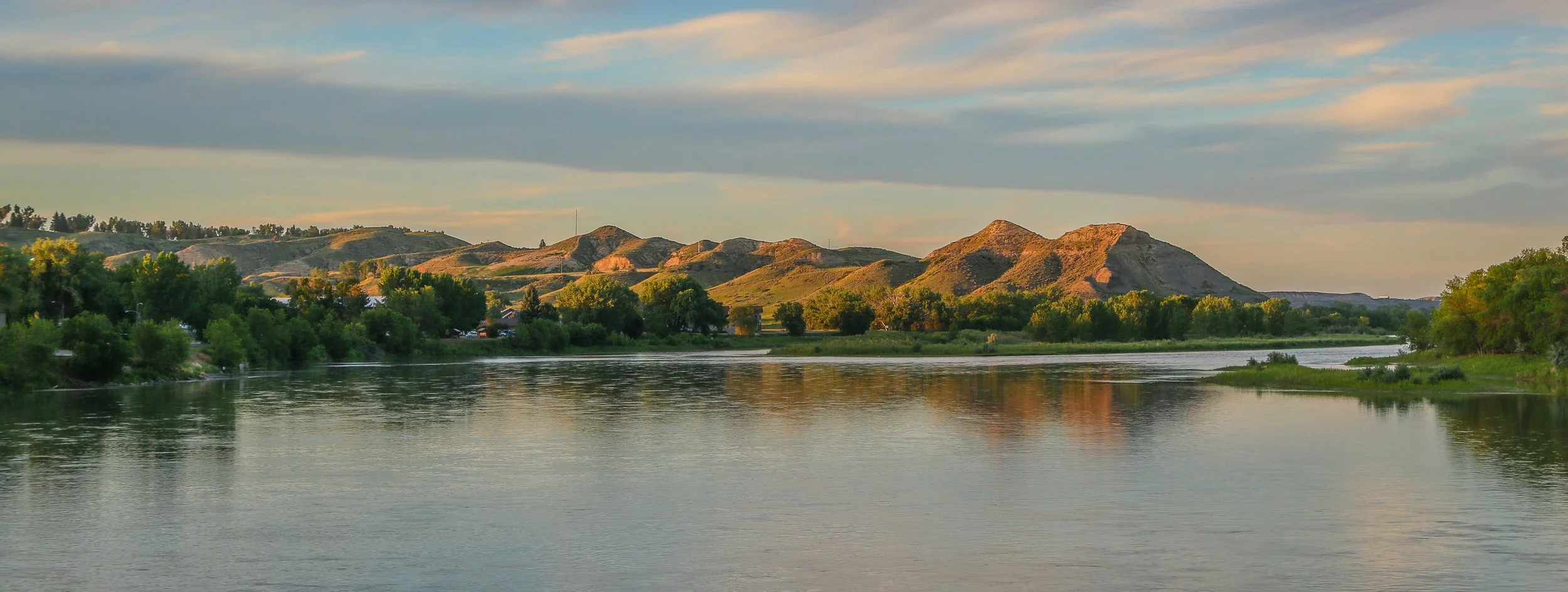
Dusk Over the Mighty Missouri River

Comment

This Week on the Road - November 13th-19th

2 Comments

This Week on the Road - November 13th-19th

It’s been a busy week out here on the road in Central and Southern Washington. I’ve traveled down some beautiful roads this week, many following winding streams and rivers, and stopped in some really cool little towns. I’ve been listening to a great radio station out here playing real oldies – like oldies that were oldies when I was a kid. I haven’t heard a lot of those songs in decades and my toes have been tapping as I cruise down the road. This is apple country and it’s cool to pass through the apple orchards and see many with fruit still on the trees, while the leaves have turned bright orange with the season. Empty apple crates dot the landscape from earlier picking. There are plenty of grapes out here too as this is Washington’s wine country. The weather hasn’t been great, but it hasn’t been terrible and there have been some wild clouds in the sky overhead much of the week. The days are short, but I’ve been trying to make the most of the daylight I have as I wind up my time in Washington State.

2 Comments

This Week on the Road 8/1-8/13

Comment

This Week on the Road 8/1-8/13

Hello Everyone! It is wonderful to be back writing This Week on the Road, but not nearly as good as it is to actually be back on the road. I spent the last year dreaming of the open highway ahead of me and the wind in my hair. As much as I love my hometown and my family and friends, I missed the natural landscapes around which I have built my life. For the rest of 2025 I plan to surround myself with beaches and mountains, waterfalls and glaciers, sunsets and wildlife. I have also learned in my life that while some people thrive on routine and knowing their surroundings, I live for new places I’ve never seen or visited. I may love the museums and bars and coffee shops at home, but for me there is always something special about walking into the unknown – a town or restaurant or music venue I’ve never been in before. I can spend my time looking around and picking up on the details of the place, eavesdropping on the local gossip. I like being the stranger in town. It’s a role I embrace. This last week+ has been a wonderful reintroduction to the world of travel and vanlife for me, with a few familiar places, a few familiar faces and a whole lot of something new.

Comment

Snapshots: Solvang - Denmark in California

Comment

Snapshots: Solvang - Denmark in California

Most of the states I’ve been to seem to have a town like Solvang - a place with solid European roots that has developed into a tourism draw over the years. Some of my favorites have been Helen, Georgia, Frankenmuth, Michigan, New Ulm, Minnesota and Helvetia, West Virginia. All of these have had either a German or Swiss background, which made the Danish village of Solvang different and quite fun for me to explore.

The area where Solvang now stands was originally Chumash land. In 1804, the Spanish built Mission Santa Inés, one of 21 Catholic missions they would establish in Alta California to try and convert the native peoples and help the Spanish claim to the territory. After Mexico won its independence in 1821, the mission system was dissolved and the land was divided into land grants and this area became part of Rancho San Carlos de Jonata.

Beginning in 1850, many Danish immigrants began arriving on America’s shores including some of my ancestors on my father’s side. Communities would begin to form, especially in the Midwest. In 1910, a small group of Danish men decided to try somewhere a little warmer and purchased land in the Santa Inés Valley. A year later, a town plan had been drawn up and Solvang was born.

Originally, the town looked like many others in the region but after World War II many buildings were built or rebuilt in a more Scandinavian style. Today, Solvang is definitely an eye-catching place, especially the windmills which are scattered around the town. Tourism is a major draw with people coming from all over the world to visit the delicious bakeries and restaurants.

I had a great time in Solvang. It was busy but not crazy and I couldn’t help but smile as I wandered around taking these photos. It felt familiar yet different at the same time and it is definitely worth a visit if you’re looking for a break from the coastal beach towns and Mission architecture. I hope you enjoy these photos from beautiful Solvang, California’s Danish capital.

Comment

This Week on the Road - March 5th-12th

2 Comments

This Week on the Road - March 5th-12th

Hello everyone, I hope y’all are having a nice week out there wherever you are. March is upon us and I’m loving the warmer weather and longer days. Flowers are popping up, the clouds are clearing and spring is definitely in the air here in Texas. This week has brought me through some fascinating parts of East Texas as I begin my exploration of the Lone Star State.

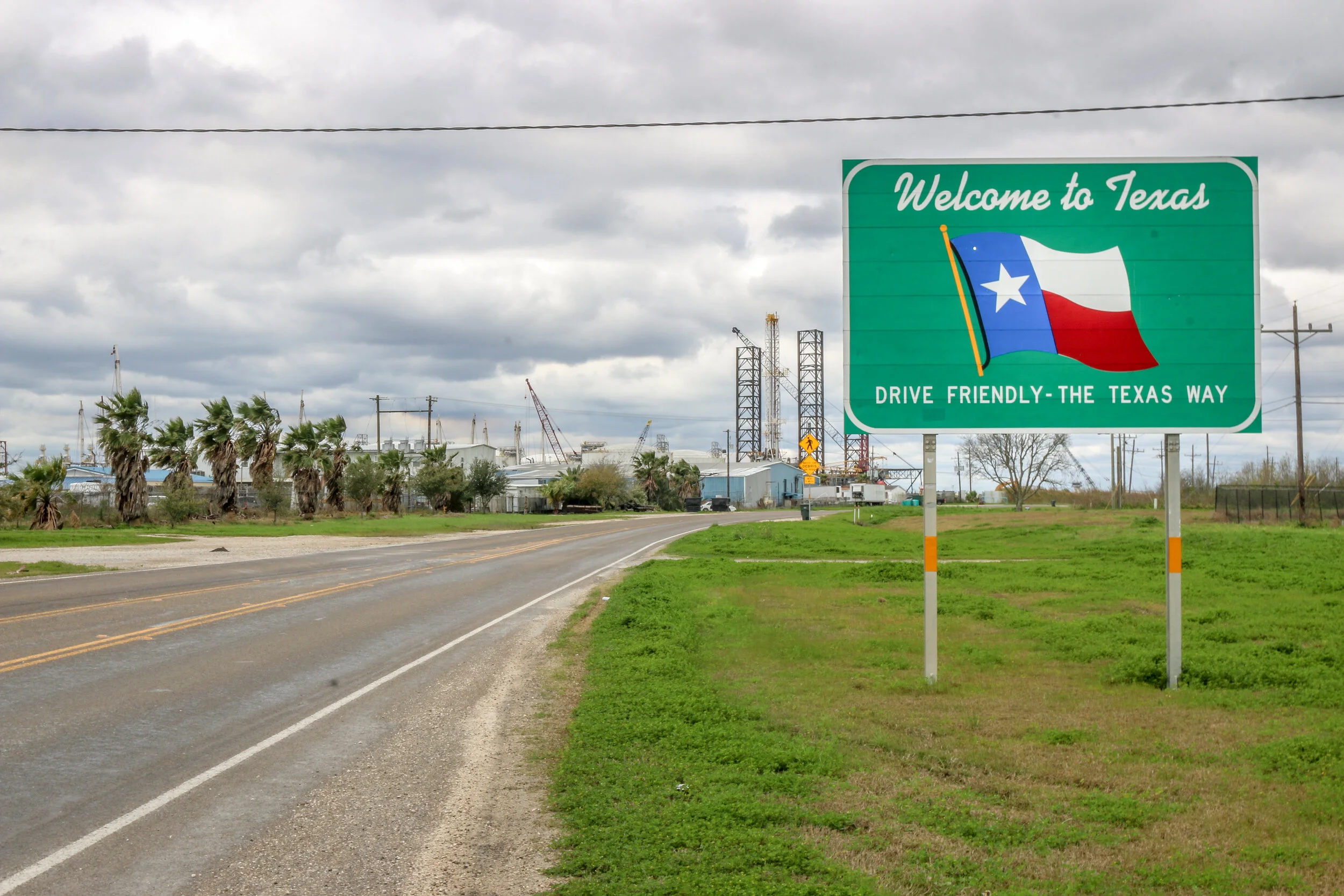
After I signed off last week, I did indeed make my way out to Rutherford Beach in far southwest Louisiana. It’s not a beautiful beach, but the waves are nice to listen to, it’s quiet and nobody bothers you out there. The camping is free and you can stay as long as you want. I’ve been there before and was really looking forward to a day on the beach to relax, read, plan and give Shadow Catcher a good cleaning. It was definitely a wonderful place to be for a couple of nights and I left feeling refreshed and ready to go. Rutherford Beach is also as far west as this journey has taken me so far so it was a good place to sit and reflect back on the last couple of years and prepare to set off in a new direction: west to the Pacific.

2 Comments

This Week on the Road - March 28th-April 4th

6 Comments

This Week on the Road - March 28th-April 4th

Hello everyone, and thank you for stopping by. The flowers are coming in nicely here in East Louisana, but the weather has cooled off significantly as well. I’ve been enjoying the little cold snap though, and sleeping really well cozy-ed up in the back of my van. I had an interesting stop in Alexandria this week, a town which has definitely seen better days, but which isn’t dead yet. From there I headed back into Cajun Country for the weekend, enjoying great food, drink, music and company. I stopped off in Lafayette to get some work done and have cruised across the north of the eastern panhandle to the North Shore where I am writing to you from today. It’s been a fun week as I start to make my preparations for my departure from Louisiana. It’s always sad to go, but it’s almost time I moved on. HERE is the link to this week’s map if you like to follow along as I go.

When I left you last week, I made my way south along the Mississippi River levee, and found the river is really high. It was definitely higher than the road in a lot of places, and while the levee was doing what it was built to do, it’s still a little bit nerve racking to be driving below the water line. I stopped in a few places to just look out at the river as it flowed past. I made the turn northwest when I hit Louisiana Route 1 and headed on to Mansura for a stop at Juneau’s Cajun Meat Market. This is a spot recommended by a friend as having the best boudin (Cajun pork and rice sausage) in Louisiana, so I had to stop in and give it a go. This was a real butcher shop with all kinds of beautiful fresh meat on display - if I had a proper refrigerator I would have probably spent a fortune there. Unfortunately, I don’t, so I settled for some boudin, a fried boudin ball, and a boudin and pepperjack cheese wrap. All three were amazing and while they didn’t help my cholesterol, they were well worth the stop.

6 Comments

My Time in Ohio, A Look Back at the Buckeye State

Comment

My Time in Ohio, A Look Back at the Buckeye State

Ohio. The Buckeye State. A state it seems most people know very little about other than it’s out there in the middle somewhere. I’ve spent much of the summer in Ohio and come away with an intensely different opinion of it than I went in with. It’s a transition state – it connects the east to the west, the Great Lakes to the interior, the Midwest to Appalachia. It’s also a state steeped in history. In the years following the Civil War, it was the third most populous state in the country. During that time, seven of our presidents came out of Ohio, making them second only to Virginia in that regard. Besides presidents, Ohio has given us many legendary Americans. William Tecumseh Sherman, George Armstrong Custer, Thomas Edison, Neil Armstrong, Toni Morrison, Steven Spielberg, Jesse Owens and Cy Young are just a few Ohioans who come to mind who grew up to leave their mark on the country and the world. In the past, when someone told me they were from Ohio, it just passes out of my mind as somewhere in generic Middle America. I didn’t have strong feelings about it one way or the other so I would quickly move past it and forget it. I’m here to tell you I had the wrong idea about Ohio. After six solid weeks of traveling around the state I can tell you it’s a fascinating, welcoming, diverse state with tons to offer and a generally agreeable climate to offer it in. In my travels, I’ve come to think of it as “The Deep South of the Midwest” – a hidden gem and a crossroads which shouldn’t be overlooked.

Comment

This Week on the Road, July 25th-August 2nd

Comment

This Week on the Road, July 25th-August 2nd

Sadly leaving Athens County behind, I stopped for a brief visit at the Buckeye Furnace State Memorial. Tucked back in the woods, this was a great place to learn more about the production of pig iron, an industry that brought a lot of wealth to the region. I had the place all to myself but could imagine the small community which once stood there and kept the furnace going. This was another of Appalachia's hard labor industries, and one that disappeared as the iron ore dried up and the nation's demands shifted to steal. It was a cool place to visit. 

From there I headed out to the Bob Evans Farm in Rio Grande where I had a big breakfast for lunch and wandered around the property for a while. I learned the story of Bob and how he started with a steakhouse, but soon started making sausage as well. This sausage would catapult his business into one of Ohio's best known names.

Comment

In Focus: Congaree National Park

Comment

In Focus: Congaree National Park

America's National Parks are our nation's most valuable resources. From the U.S. Virgin Islands to the coast of Maine and from Alaska to the South Pacific and so many amazing places in between, the National Park System protects our most treasured natural and cultural areas. There are many different designations within the system, from National Battlefields and Historic Sites to National Monuments and Heritage Areas, but none is more revered than the National Parks. Of the 420 or so sites withing the system, only about 60 have the designation of National Park. Over the course of many years, I've had the distinct pleasure of seeing almost all of them. They are all incredible places and I can't imagine my life without being able to visit these areas again and again. While sometimes the topic will come up in the news about "government owned land", we must remember that this is actually public land - our land. And it's there for us to enjoy and will be forever as long as we don't let our guard down. 

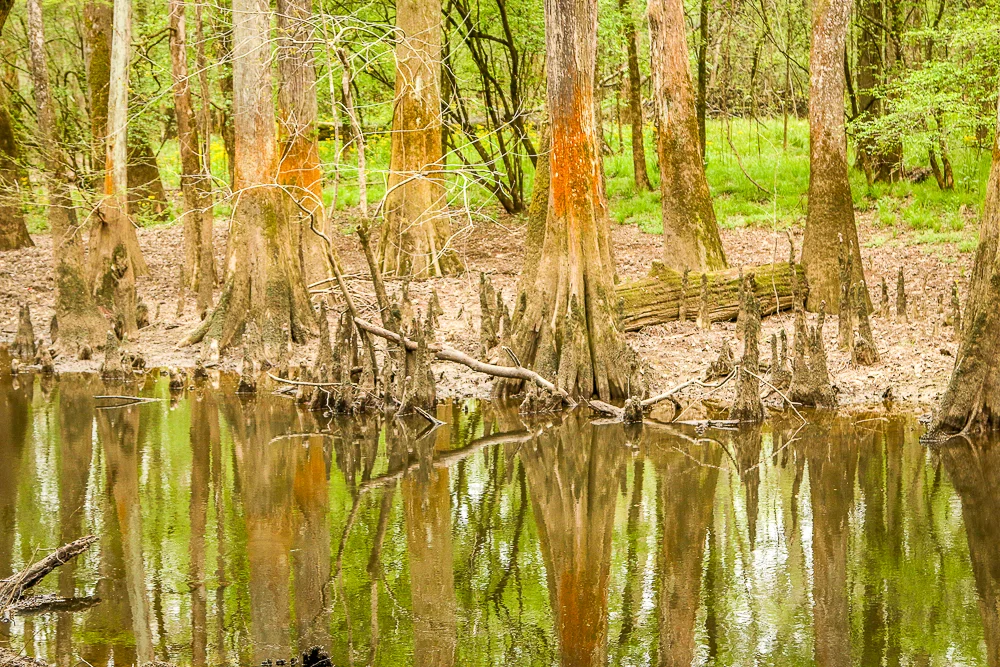
Congaree National Park in central South Carolina is one of our newest National Parks, having received that designation in 2003. It protects the largest tract of old growth, bottomland hardwood forest left in the United States...

Comment