Viewing entries in
Montana

This Week on the Road - July 8th-15th

Comment

This Week on the Road - July 8th-15th

Great Falls of the Missouri River

Hello Everyone,

It’s been a hot week here in Montana. Two weeks ago it was snowing in Butte and two days ago we were hitting record high temperatures across the state. It’s been dangerously hot out, especially since I have no air conditioning in my van. I’ve been holed up here in Livingston for a few days and spent the last two nights in a nice, air conditioned hotel room. It was a nice break from the road and from the heat, but it’s frustrating to feel penned in and not be able to go exploring. It’s been a tough summer so far, and the heat is not making things any easier. I’m much better at dealing with the cold than dealing with the heat and my van is the same. That being said, I did get out and see some cool places this week and I’m very grateful to have some friends to hang out with this week, as that really makes a big difference in my morale. The heat should break in the next day or two, and then hopefully it will be a little easier going.

The Old Milwaukee Road Station in Great Falls

So after I finished up this post last week, I meandered down to the little local history museum there in Great Falls. It was a cute little museum with some interesting exhibits on the history of Great Falls, one called Spirits of Cascade County: Bootlegging, Bureaucracy, and Breweries, and one about feisty Montana women (their words, not mine). There were some cool bronze sculptures and some neat miniature building models as well. They also had a really interesting exhibit in what must have been some sort of event space on the historic Ozark Club, a black owned nightclub which had opened in Great Falls the day that prohibition ended and lasted until the owner’s death. After a nice visit to the museum, I did return to the Sip ‘n Dip Lounge to watch the mermaid in her pool behind the bar. Their tiki drinks were not very good, but the show was fun and I really enjoyed being there. Leaving the lounge, I wandered around downtown a bit and then called it a night.

At the Sip n’ Dip in Great Falls

Thursday morning I was up and off and headed towards Fort Benton. There was a long stretch of construction on the road, but I still got there pretty early. I knew it was going to be a hot day (and week), so I found a parking spot in the shade which makes a big difference. Fort Benton sits at the very end of the navigable section of the Missouri River (aka “Old Misery) and apparently just a couple of hundred yards up the river, it’s shallow enough to walk across (I didn’t test this out). Historically, the bigger paddlewheel boats could only get to Fort Benton in the spring when the runoff was at its peak but smaller boats could get there pretty regularly throughout the year. It originated as a fur trading post, became the main supply route to the Montana goldfields and served for several years as a military outpost, although the soldiers there never saw any real excitement. Fort Benton is a pretty little river town which reminded me of the little river towns on the Mississippi as opposed to the rough and ready towns of the Montana frontier.

The Original Blockhouse at the Reconstructed Fort Benton

I spent most of the day at Fort Benton’s three wonderful museums. The smallest one told all kinds of fascinating stories from the history of the town, from the riverboats that came through and the trails that branched out towards the goldfields to the people who had passed through Fort Benton over the years. While I was there, I read the story of Shep, Fort Benton’s beloved dog, a statue of which has a prominent placement along the levee downtown. Shep was a loyal sheepdog whose owner died and was shipped east on the train. Shep lived near the tracks and greeted every inbound train in the hopes of seeing his master again and in so doing, served as Fort Benton’s unofficial greeter until the day he died. It was the railroad, incidentally, which shifted Fort Benton’s importance from being the third biggest city in Montana to the small little town it is today.

The Old Fur Trading Post at Fort Benton

The second museum was in the fort itself, which is a reconstruction with the exception of one original blockhouse. The fur trading post inside was really interesting and there were some lovely artifacts from the local Indian tribes who traded at the fort. They had the recipe for “trade whiskey” which essentially diluted regular whiskey with water and then added tobacco, hot pepper, gunpowder and molasses to give it some zing. In reality it probably made a lot of people sick. There was a wonderful tipi in the fort which they were proud to have added this year. On the other side was a fascinating art museum which contained quite a few prints from the Swiss artist Karl Bodmer. Bodmer accompanied the expedition of Prince Maximillian Alexander Phillip of Wied-Neuwied who came to Montana in 1833 to have a look around. He may have been the region’s first tourist as they were really only there for exploration’s sake. Bodmer made quite a few sketches and paintings from their journey, including many of the Indians they encountered and the wildlife they found along the way. They’re quite a fascinating look at what the area was like before any real settlers had come to Montana at all.

The Hornaday Bison

The third museum, which you could find by following the massive bison hoof-prints which were painted on the streets of the town, was primarily an agricultural museum full of tractors and farm equipment. Their prized tractor was the 5 millionth International Harvester to roll out of their production facility. There was a little village out back with some cool old buildings, cabins and businesses. Definitely the part of this museum which was of the most interest to me was the Hornaday Bison. William Hornaday was one of our country’s first conservationists who had raised serious concerns about the looming extinction of the once-plentiful plains bison. As Chief Taxidermist of the Smithsonian, he traveled to Montana in 1886 and shot five bison to be brought home to D.C. to be studied and mounted for the collection. He also brought home a live calf which didn’t live very long after arriving and became the sixth stuffed Hornaday bison. It took them quite some time to find these bison on their expedition and they may have been some of the last bison alive in the region (American bison population once dropped to fewer than 100 individuals before being brought back in one of our great wildlife reintroduction success stories). The bull of the group served as the model for the buffalo nickel, the Department of the Interior logo and the National Park Service badge. The taxidermied bison were on display at the Smithsonian until 1955 when they were put into storage and mostly forgotten about. Thankfully someone decided to set out and find them and bring them home to Montana. After quite a bit of digging, they were brought back together and restored and now can be seen in this museum!

At the Grand Union Hotel in Fort Benton

My head full of new information to process, I headed down to the bar at the Grand Union Hotel for a beer. The Grand Union opened in 1882 at the end of the steamboat era and is just dripping with history. In its heyday it was called “The Waldorf of the West” and was finely appointed in black walnut and marble with each room having its own wood-burning stove. Every one of the photos in the bar was taken by Edward Curtis, so I felt right at home there (my van, Shadow Catcher, is named in his honor). There I met Patrick the bartender who has been living in Fort Benton since November, having moved there for better schooling opportunities for his kids. I was the first one in the bar for the evening, so we had a nice long chat about the history of the area and about how each of us got there. They had a bison steak on the menu, so I decided to stick around for dinner. I’m not interested in a bison burger which tastes like any other kind of burger in my opinion (and I’ve had burgers made from everything from emu to musk ox and they all just taste like a burger to me). But a bison steak is something altogether different and special and well worth it when you can find one. Mine was a real treat. After dinner I headed out for a nice evening walk along the levee. It had cooled off considerably and the sky was magnificent. I sat on the pedestrian bridge, perched over the Missouri River, and read my book until the sun went down. Then I popped into the Palace Bar for a beer before calling it a night.

Chief Joseph’s Rifle

I was up nice and early on Friday morning as there were a few things I wanted to do in Fort Benton before I took off and I wanted to get out ahead of the heat. I was fiddling with my new watch band by the side of my van when a nice man came up and said “good morning”. He told me he either owned or was the caretaker for the building I had parked next to overnight, and I thought he was going to ask me to move on. Instead, he told me there was a secret shower in the bathroom just inside a side entrance and asked if I’d like to use it. I absolutely did, and thought it was such a kind offer. Clean and shiny, I set off to visit the museum of the Upper Missouri River Breaks National Monument, just downriver from town. They had an interesting movie about the area to watch and some cool wildlife displays, but I was really there to see one artifact in particular. In the corner, they had the rifle that Chief Joseph had surrendered after the battle at the Bear’s Paw, the last confrontation of the so-called Nez Perce War (I would visit the battlefield on Saturday, so will write more about it momentarily). I had really hoped to hold the rifle as I had with Kit Carson’s gun in Santa Fe and Devil Anse Hatfield’s gun in West Virginia, but it was sealed into its case pretty good. The lady working there was from Maryland, so we chatted for a bit about home before I headed out.

Havre’s underground Brothel

From Fort Benton, I made a beeline for Havre, a little over an hour up the road. It was hot, but the ride wasn’t too bad and I got into Havre at a reasonable time. I was really excited to take the “Havre, Beneath the Streets” tour and got there in time for the last one of the day. Havre had a terrible fire back in 1904 which levelled about 90% of the city. Determined to perceiver, businesses moved into their basement spaces while the buildings above ground were being rebuilt. They knocked out walls to connect the businesses and had their own little underground city going, complete with a saloon, brothel and opium den for recreation. I’ve been on these underground tours before, and they are very dependent on the storytelling ability of the guide (the tunnels under Moose Jaw, Saskatchewan were the best). Unfortunately our guide had little knowledge and less personality and really just gave us the basics. She told us she was new and she was definitely trying, but it really could have been better. It wasn’t too expensive though and it was cool to get down into the tunnels.

Bear Paw Battlefield

It was pretty hot when I came back above ground, and there wasn’t much else to see in Havre, so I spent the rest of the afternoon in the library. In the evening, I went to see some live music at Vic’s Place which felt more like a community center than a bar. There were families there and little kids running around and plenty of couches to sit on. The music was good and it was a fun place to hang out for the evening. It was still pretty hot out when I wanted to go to sleep, but there was a light breeze and it continued to cool off through the night. The passing trains made quite a racket throughout the night, but I still managed to get some sleep which was good.

A Peaceful Morning at Bear Paw Battlefield

I was up super early the next morning as I wanted to get out to the Bear Paw battlefield and then continue down to Lewistown which was three hours down the road. Bear Paw has been somewhere I’ve wanted to see for a long time, and I was happy to finally get there. This was the last battle of what we now call the Nez Perce War of 1877. The Nez Perce who took part in this battle were Chief Joseph’s Wallowa Band who had originated in the Wallowa Valley of what’s now northeast Oregon, a beautiful area I visited last winter. The Nez Perce had always been friends of the Americans who came west, from the time they saved the Lewis and Clark expedition when they came, starving and stumbling, out of the mountains until a decade after the end of the Civil War. They had provided safe passage to emigrants on their journey west and negotiated a reservation in good faith. When that reservation was shrunk by 90% and the Wallowa Band was expelled from their homeland, several young warriors killed four Americans. Knowing that retaliation would be swift and harsh, Chief Joseph decided the safe bet would be to flee to Canada and join up with Sitting Bull who had gone north after the Little Bighorn. Leading a group of 600 people, most of whom were women, children and the elderly, Chief Joseph made it 1,170 miles while his warriors protected their rear repeatedly from the U.S. Army. Thinking they were further ahead than they actually were, they rested in the Bear Paw Mountains to hunt and gather food while they had a dependable water source on hand. This would be their fatal mistake, as the army caught up with them there and finally forced their surrender. They were only 40 miles from the Canadian border. It was quiet out on the battlefield that morning and quite peaceful as I walked in the footsteps of the Nez Perce and Chief Joseph and I was happy to finally get there and see where it all ended.

The Little Rocky Mountains

From the Bear Paw, I headed east and then south along the western edge of the Fort Belknap Reservation, the homeland to the Assiniboine (Nakoda) and Gros Ventre (Aaniiih) Tribes. These tribes have started their own bison heard on the reservation, and I saw one solitary, hot, bison lounging near the fence along the road. I drove past the Little Rocky Mountains, a small but beautiful range in the midst of the prairie, and then dropped down into “the breaks” which lead to the Missouri River. Crossing the river, I began to climb back up to the prairie and a lot of the hills were longer and steeper than I had expected. Meanwhile the temperatures had risen into the 90s and my temperature gauge just kept climbing. Not wanting to overheat in the middle of nowhere, we pulled over to cool down for a while before continuing on into Lewistown.

Lewistown’s Judith Theatre

It was pushing a hundred degrees by the time I arrived, so I found a patch of shade to park in and headed downtown to find something that was open and air-conditioned. What I found was the American Prairie National Discovery Center, which was a beautifully done visitor center focused on the prairie ecosystem which surrounds Lewistown. Their goal is to buy up private land in the areas between federally protected land and Montana’s Indian Reservation land and restore an unbroken prairie ecosystem. Of course there are also signs around town protesting the idea, so this idea is not universally loved by any stretch of the imagination. It was a very modern and well done exhibition, and I especially enjoyed seeing a live black-footed ferret, another animal brought back from the brink of extinction.

Fergus County Courthouse in Lewistown

It was still too hot to think when the center closed, so I strolled down the street to Big Spring Brewing Company in the old Central Feed building. I had a nice steak salad and nursed a couple of beers over the next hour or two until it cooled off enough to venture back out onto the streets. Lewistown is a nice enough little city with some cool historic buildings to check out, but it’s a pretty small town at the end of the day. I spent a couple of hours reading in the shade until it was cool enough to crawl into my van and get some sleep.

Timber Bar in Big Timber

It was another early morning, and I got on the road before 7am and made a beeline for Livingston, the historic gateway city to Yellowstone National Park. I made a quick stop in the cute little town of Big Timber, but otherwise headed straight into Livingston. Because of its proximity to the park, Livingston seems to be doing pretty well, with a buzzing downtown area and plenty of bars and restaurants. It was already pushing 90° by the time I got there, so I found some shade to park in and found a nice cool coffee shop to chill out in for the rest of the morning. I had decided to book a hotel for the next two nights because I was getting really tired of the heat and just needed a break. After a late lunch in the historic train depot, I checked in right at 3pm and cranked my a/c up to high. After relaxing for a few minutes, I went out and got my oil changed and cleaned out some things in my van. It was hot and sweaty work, but I was parked right outside of my room so I had plenty of water to drink and a nice long shower waiting for me when I was done.

Downtown Livingston

I caught a nice, long, air-conditioned nap and by the time I got up it was starting to cool down a bit outside. I wandered back downtown and checked out a couple of cool historic bars. The bartender at The Owl Bar was from Baton Rouge, so we talked a lot about life in Louisiana. Then I met a guy from Alaska at the Hyatt House and we chatted about the great north for a while. By then I was pretty tired, so I wandered back “home” and slept for many hours.

Yesterday, I did almost nothing at all. I spent most of the day in my air-conditioning with the shades closed. I watched more TV than I’ve watched all year, and only broke it up with a stroll down to the grocery store for breakfast and again at lunch. I did get my laundry done which was good, but that was about it. In the evening I came back downtown and enjoyed a couple of beers at the Neptune Brewery, chatting with a lovely Montana couple who had spent the day at their son’s university orientation in Bozeman. Leaving there, I ate some delicious Mexican food for dinner before calling it a day.

Downtown Livingston

I stayed in my hotel this morning right up until checkout time. I did get my van cleaned out a bit to give myself some more room which was good. My friend, Evan, had some things he needed to pick up here in Livingston, so we met up for lunch which was nice. Evan used to work for the same tour company that I did for many years, and then decided he wanted to move to Yellowstone to watch the wolves and guide wildlife tours. After a couple of years, he started his own company which has been doing really well. He’s an interesting guy and I’ve always really enjoyed his friendship, and it was nice to chat for a couple of hours and catch up. We have a mutual friend who is coming to Gardiner, just down the road, tomorrow, so I’m hoping the three of us can meet up for dinner down there.

An Oil Derrick on the Prairies

It’s been a hot week, but today is a little cooler than it has been at least. After lunch, I came to the library to try and finish this week’s post while the heat of the day passes over. It’s Tuesday, but I’m going to go ahead and publish this today as I am heading south towards Yellowstone tomorrow. I’ll be in Gardiner on the north edge of the park for a day or two to try and catch up with my friends and then I’ll be heading on into the park. I’m not sure what my plan is right now, as I need to watch what happens with the weather. I’ve spent plenty of time in Yellowstone over the years and was hoping to get some backpacking in this summer, and I’m still hoping to make that happen. Depending on how it all goes, I may still be in the park at this time next week, so if you don’t hear from me, don’t worry. I’ll be enjoying one of the most fascinating places on the planet and I’ll catch up with you when I come out the other side. Have a great week out there and try and stay cool and hydrated wherever you are. That’s going to be my plan for the week as well. Thank you, as always, for reading.

-Mike

Downtown Great Falls

Hoglund’s in Great Falls

Cascade County Courthouse in Great Falls

Shep the Dog

A Weird Bison-Trout in Great Falls

Downtown Fort Benton

Welcome to Big Timber

Downtown Big Timber

A Cool Car in Fort Benton

Follow the Hoof Prints

5 Millionth Tractor

The Palace Bar in Fort Benton

Lewis, Clark and Sacagawea in Fort Benton

Dusk in Fort Benton

Old Caboose in Fort Benton

A Rebuilt River Boat in Fort Benton

Fort Benton’s Pedestrian Bridge

The Chinese Laundry in Havre’s Underground

The Bar in Havre’s Underground

Livingston’s Empire Theatre

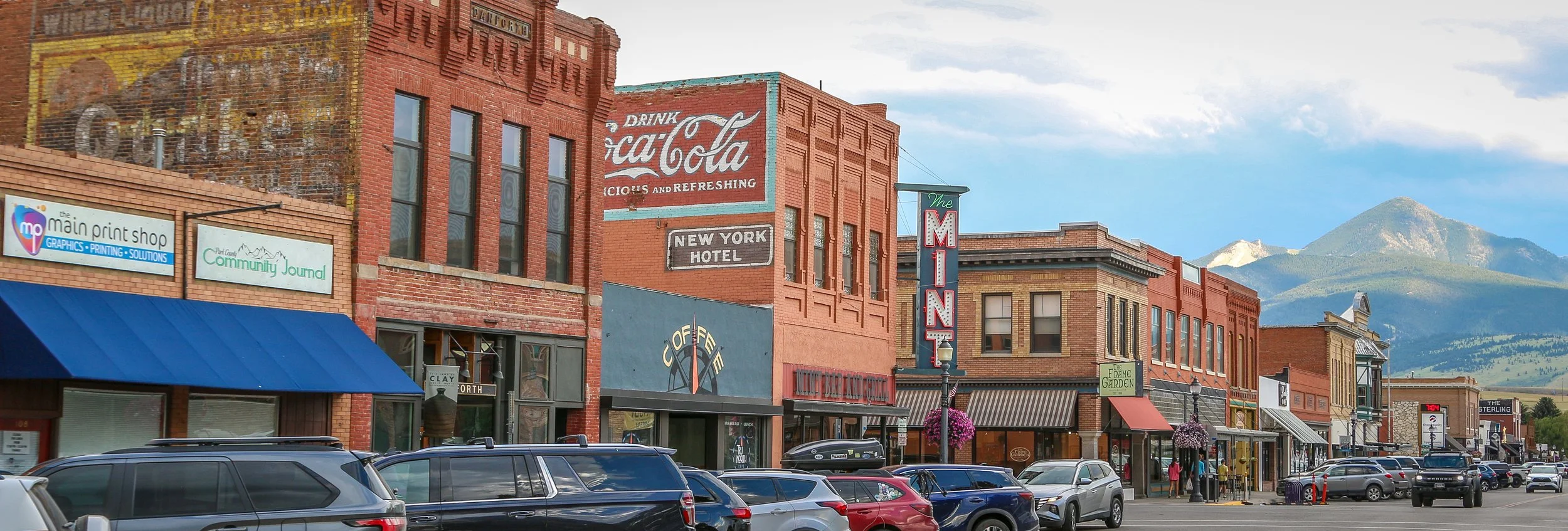
The Mint in Livingston

New Tipi in Fort Benton

The Murray in Livingston

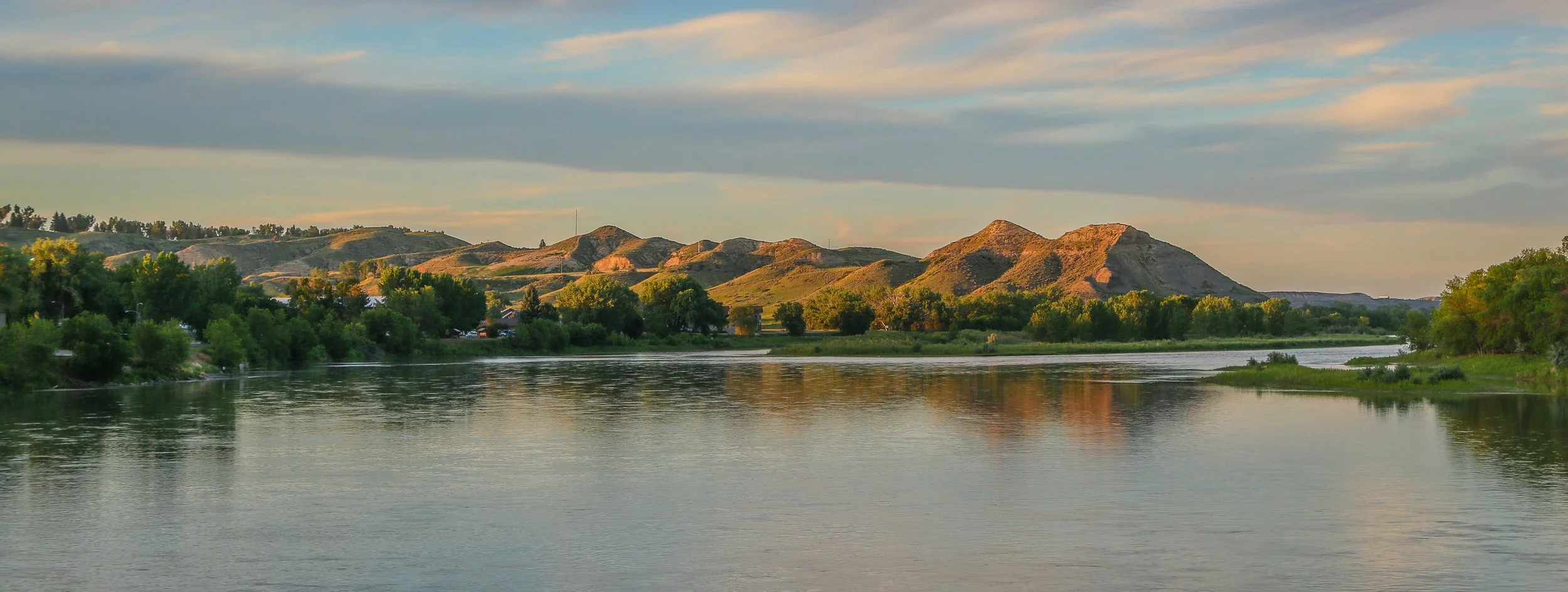
Dusk Over the Mighty Missouri River

Comment

Snapshots: Butte - The Richest Hill on Earth

Comment

Snapshots: Butte - The Richest Hill on Earth

Butte began as a gold and silver boomtown in the 1860s, but it would be copper that would earn it the designation “The Richest Hill on Earth”. The townsite rests atop one of the most extensive and valuable copper deposits ever found, and when electricity was becoming more widespread around the country, Butte was supplying the copper for the wiring. There’s a very good chance that my family’s home, all the way across the country in Washington D.C., was wired using Butte copper. The city would grow as the mines expanded, with some reaching over a mile down into the earth. Miners would flock from all over the world to work those mines, creating one of the most diverse cities in the west during its heyday. Along with the miners came thousands of other people to run and work in the shops, saloons, restaurants and brothels that grew up alongside the mines. The population would grow to at least 60,000 by the 1920s, making it the biggest city between Chicago and San Francisco. As the mining process became more mechanized, Butte’s population would begin to decline and Butte today is home to only about 35,000 people.

Butte is a wonderful, old city with a ton of history and a million reminders of the city it once was. It’s one of the most photogenic cities I’ve ever been to and one I always look forward to returning to. I love Casagranda’s for an old-school steakhouse experience, Maloney’s is a classic bar and John’s pork chop sandwiches are always a treat. I hope you enjoy these photos from beautiful Butte, Montana - The Richest Hill on Earth.

Comment

This Week on the Road - July 1st-7th

Comment

This Week on the Road - July 1st-7th

Hello Everyone,

You’ll be very happy to hear that I am no longer in Missoula. I have left the mountains entirely for the moment and am writing to you this week from Great Falls, Montana on the edge of the Great Plains. It’s definitely different to see flat landscapes stretching out towards the horizon after so many months in the mountains. I do plan to loop back into the Rockies in a couple of weeks, but for now it’s just good to be on the road again and moving. It’s been a pleasant week even though I haven’t gotten too far from where I started. I spent much of the week split between Helena, Montana’s capital city, and Great Falls. Shadow Catcher is driving so much smoother than it was last week and I’m really glad I took it back in for another look. Great Falls is a great place to give it a good test, because the streets in town are absolutely terrible. I’m really hoping that the rest of the summer will be smooth sailing from here.

After I finished up this post last week, I heard from Kerry at Rocky Mountain Diesel who was taking care of my van. He told me that while they had rebuilt my drive shaft the week prior, there was still something wrong with it and it needed to go back to the shop that had rebuilt it. He told me that I could pick up my van for the night and that they would get on it first thing in the morning. It was pretty late at that point, so I picked it up and headed just down the road to Highlander Brewing Company. Highlander is a perfect example of something I’m surprised I don’t see more often in places. Highlander Beer is an historic Missoula brand first brewed in 1910 and named (with full permission) after the New York Highlanders baseball team (later renamed the Yankees). Highlander was brewed right there in Missoula until 1964 when the brewery was demolished during the construction of Interstate 90 and the beer went dormant. The branding was purchased in 2015 by a start-up Missoula Brewing Company. While they don’t brew the original Highlander beer, they sure capitalize on the name and the nostalgia with a brewery chock-full of old bottles, signs and memorabilia. The taproom is beautifully situated along Grant Creek, the beers they are brewing are pretty good and overall it’s a wonderful place to be. It’s also a quiet and easy place to park overnight which was an added bonus.

Comment

Snapshots: Anaconda - A Diamond in the Rough

Comment

Snapshots: Anaconda - A Diamond in the Rough

The United States is full of wonderful place names, and Anaconda, Montana is definitely one of the coolest names out there. Anaconda was founded by Copper King Marcus Daly as the location for a copper smelter to process the copper coming from the mines at nearby Butte. A smelter needs water and Butte just didn’t have a dependable enough water source to make one feasible. Daly originally called his town “Copperopolis”, but that name was already taken by another town in Montana so it was changed to Anaconda after the mountain range it is nestled in. When Montana became a state in 1889, Anaconda was in a fierce competition with Helena to become the new state capital, losing by only 2,000 votes.

Anaconda is a charming little city of just under 10,000 people. The locals are friendly and welcoming and the town itself has some really beautiful features. There are some beautiful historic homes west of downtown and some delightful bars and restaurants (don’t miss Gallicano's Pizzeria while you’re there). The Deer Lodge County Courthouse is awesome, and the Washoe Theatre is also not to be missed. I was truly surprised by how great of a town Anaconda is and I’ll definitely be back in the future. I hope you enjoy these photos from beautiful Anaconda, a true diamond in the rough.

Comment

Snapshots: Ennis -Classic Small Town Montana in Madison County

Comment

Snapshots: Ennis -Classic Small Town Montana in Madison County

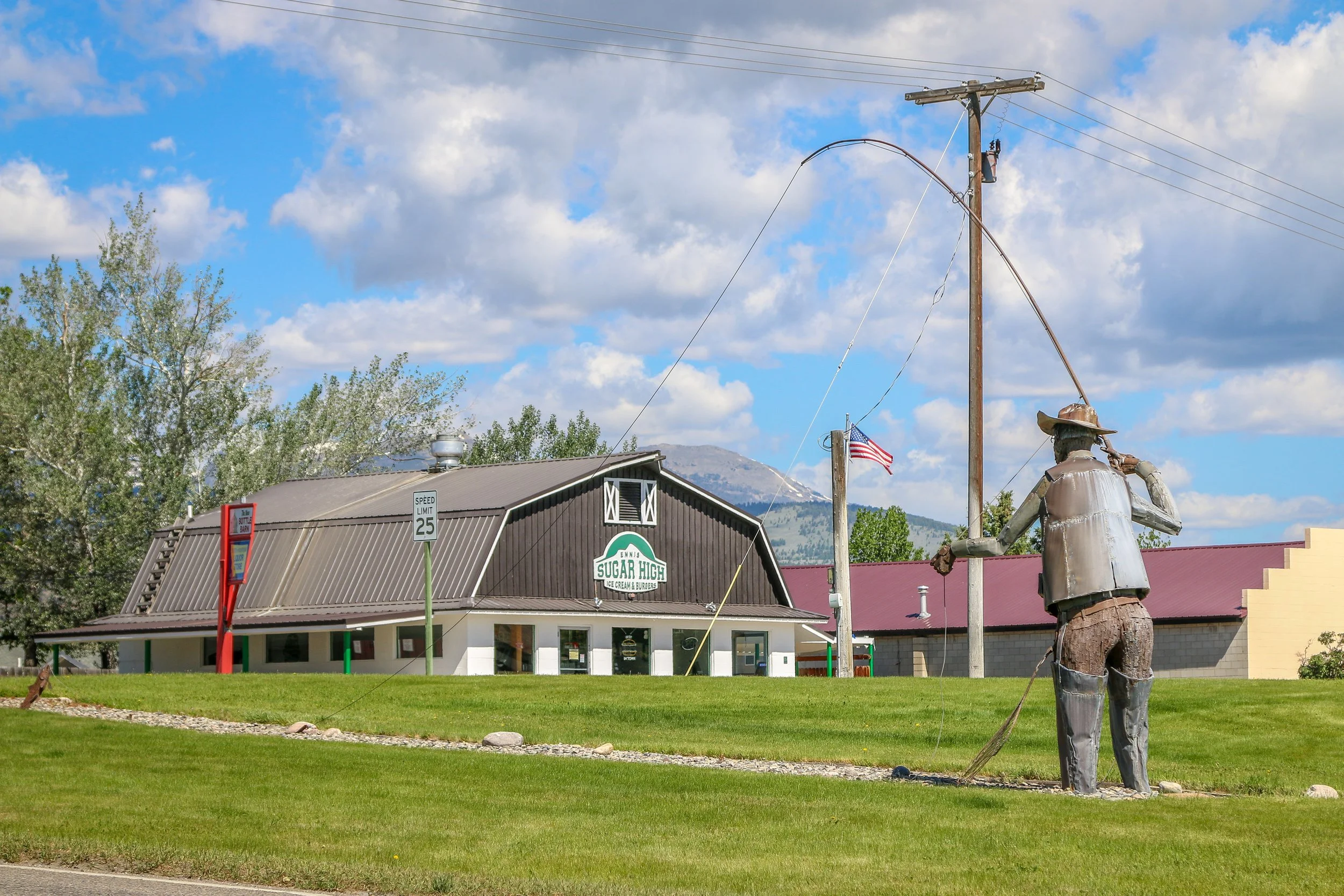
Located on the Madison River in Madison County, tiny Ennis, Montana is known for its abundant fly-fishing opportunities and public outdoor art. The area was originally settled in 1863 by William Ennis and the town that grew up there bears his name. I’ve been through Ennis a few times and always find it to be a quiet and charming little town. I hope you enjoy these photos from tiny Ennis, Montana.

Comment

This Week on the Road - June 25th-July 1st

Comment

This Week on the Road - June 25th-July 1st

Hello Everyone!

Of all the places I was hoping to be writing this post from this week, Missoula was not one of them. I had a pleasant if rainy week out exploring some nice spots in southwest Montana and heading towards Yellowstone, but by the time I got to Bozeman I had come to the conclusion that the repairs done on my van weren’t quite right. My stupid air shock continues to leak – these really are the worst designed parts I’ve ever encountered. And while sometimes I felt like we were cruising along smoothly, other times the whole van would vibrate beyond anything which was “normal”. I really didn’t want to turn back to Missoula, but on the other hand I paid a small fortune to get this work done and I expect it to be done right. Three hours back versus the whole country between me and home became an easy decision. Kerry at the shop was perfectly calm when I called him and told me to go ahead and bring it back in and they would take care of it. So here we are, back in Missoula. I’m really hoping that whatever it is, it’s reasonably easy to fix and that we’ll be back on the road by this time tomorrow, almost exactly a month after I first pulled into town.

After I finished this post last week, I was in a similar position to where I am today. I headed over to the mechanic shop with the hopes that my van would be ready. They were still working on it, and would finally hand over the keys around 8pm. I felt bad that they had stayed so late to get it done, and told them that one more day wasn’t going to kill me at that point, but they were ready to get it done and out of the shop. It sure was nice to be back behind the wheel, to start to put my things back where they belong and to sleep in my own bed. I went out and had a few beers to celebrate at the Draught Works brewery which is brewing up some great beers including one called Shadow Caster which made me smile. I had one last burger at the Missoula Club and then crawled into my van and slept and slept and slept…

Comment

Snapshots: Virginia City - Montana's Second Territorial Capital

Comment

Snapshots: Virginia City - Montana's Second Territorial Capital

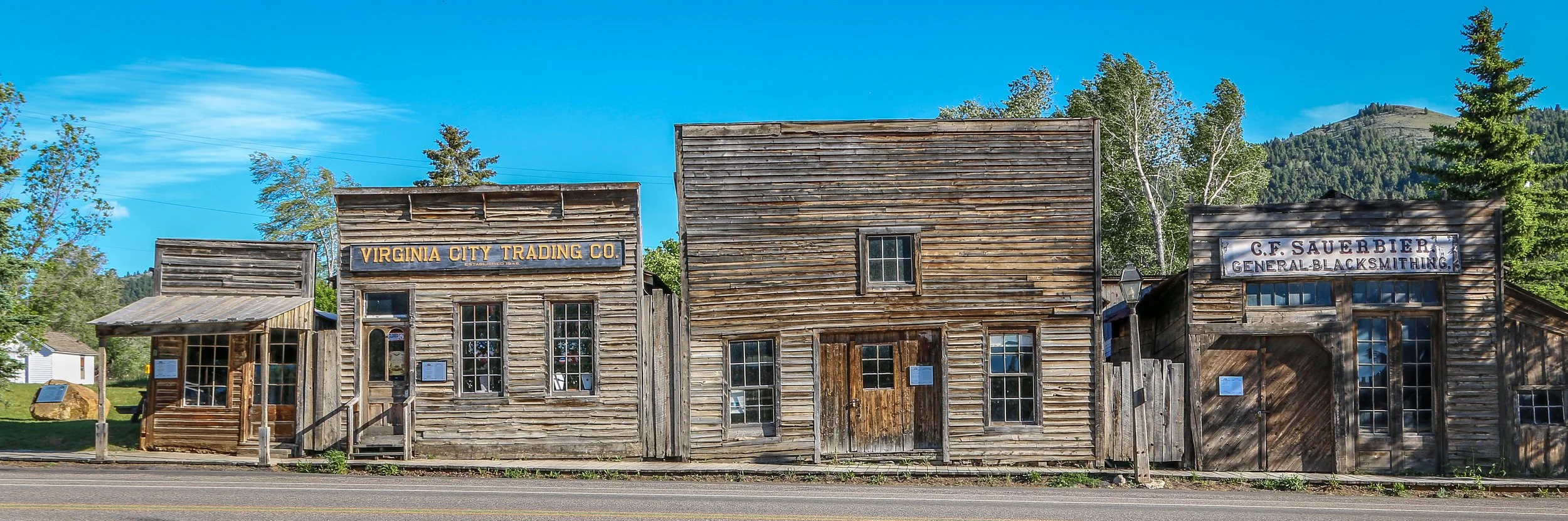
Gold was discovered in nearby Alder Creek in 1863, sparking off one of Montana’s biggest gold rushes. People came from far and wide to try and earn their fortune in what is now southwest Montana. Soon after the discovery, a mining district was established and was named Verina [sic] after Confederate President Jefferson Davis’ wife, Varina. In the midst of the Civil War, this couldn’t be allowed, so the name was changed to Virginia City. When Montana Territory was carved from the existing Idaho Territory in 1864, Bannack was chosen as the capital, but the capital was moved to Virginia City just a year later. Virginia City would remain the capital for a decade before it was moved again to Helena. In the early days, a road gang called The Innocents was preying on wagons moving between the mining towns. In response, Virginia City residents formed The Montana Vigilantes who rode on The Innocents and lynched them in the streets of nearby Bannack. Virginia City is considerably quieter these days. With some lovely shops, some good restaurants and a couple of bars, including Montana’s oldest the Bale of Hay Saloon, Virginia City is a wonderful place for a wander. I hope you enjoy these photos from the cool, historic town of Virginia City, Montana’s second territorial capital.

Comment

Snapshots: Nevada City - Where Montana's History Comes to Life

Comment

Snapshots: Nevada City - Where Montana's History Comes to Life

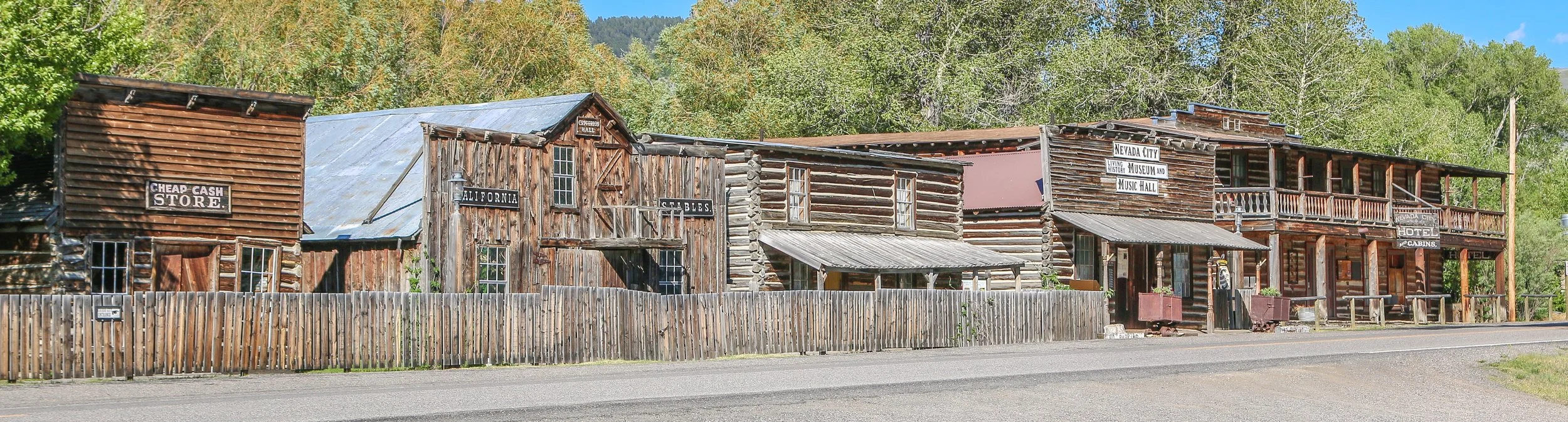
Gold was discovered in Alder Gulch in 1863 and Nevada City sprung up almost overnight. It was a true boom and bust mining town which may have grown to as many as 2,000 residents but would dwindle down to only a hundred by the end of the decade. By 1880, the population was down to 50 and it would continue to shrink until Nevada City was all but a ghost town. In the 1950s, former state senator Charles Bovey decided to revive the old town as an outdoor living history museum. He salvaged a dozen or so buildings which were original to the townsite and then started bringing in other historic buildings from around the state. Today, Nevada City is owned by the State of Montana and managed by the Montana Heritage Commission. I unfortunately arrived after it had closed down for the night, but there was still plenty to see from the street. I’ll definitely have to get back and explore it another time. I hope you enjoy these photos from historic Nevada City - where Montana history comes to life.

Comment

Snapshots: Dillon - Beaverhead County's Classic Rail Town

Comment

Snapshots: Dillon - Beaverhead County's Classic Rail Town

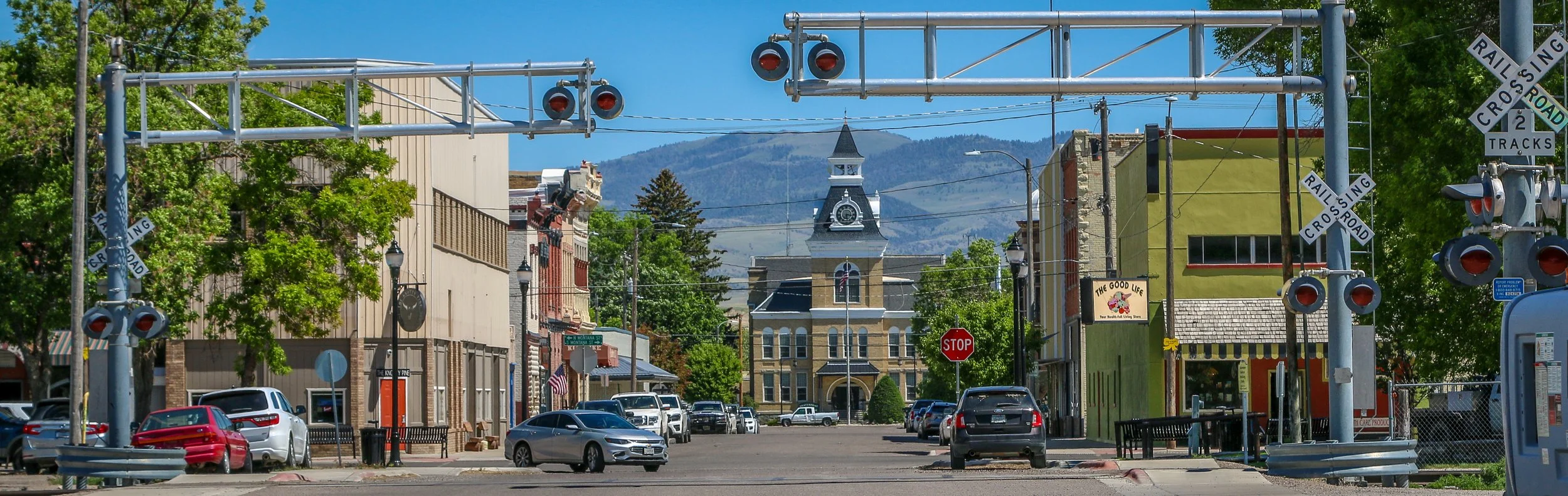
Dillon, Montana is such a cool little town. Founded in 1880, it was originally called Terminus because it was, at least temporarily, the end of the line for the Utah and Northern Railway. The following year the town was renamed Dillon in honor of Sydney Dillon, the president of the Union Pacific Railroad. Located in the Beaverhead Valley, Dillon was a nice, central location to bring the train through to supply the nearby mining towns of Bannack, Virginia City, Nevada City and others. While the railroad was the impetus for Dillon’s founding, soon cattle and sheep ranches began to sprout up around town, shoring up the economy. As it grew, Dillon would become the county seat of Beaverhead County and build a gorgeous courthouse in the middle of town. In 1892, the Montana Normal College was founded in Dillon, which operates today as the University of Montana Western. Perhaps my favorite fact about Dillon is that it is the final resting place of Pit the Elephant which was struck and killed by lightning in 1943 at the fairgrounds. Too big to move, she was buried where she fell and the town continues to maintain her grave today. Dillon is a lovely little town with some great museums and plenty of bars and restaurants to explore and I really enjoyed my time there. I hope you enjoy these photos of Dillon, Beaverhead County’s classic rail town.

Comment

Snapshots: Bannack - A Classic Montana Ghost Town

Comment

Snapshots: Bannack - A Classic Montana Ghost Town

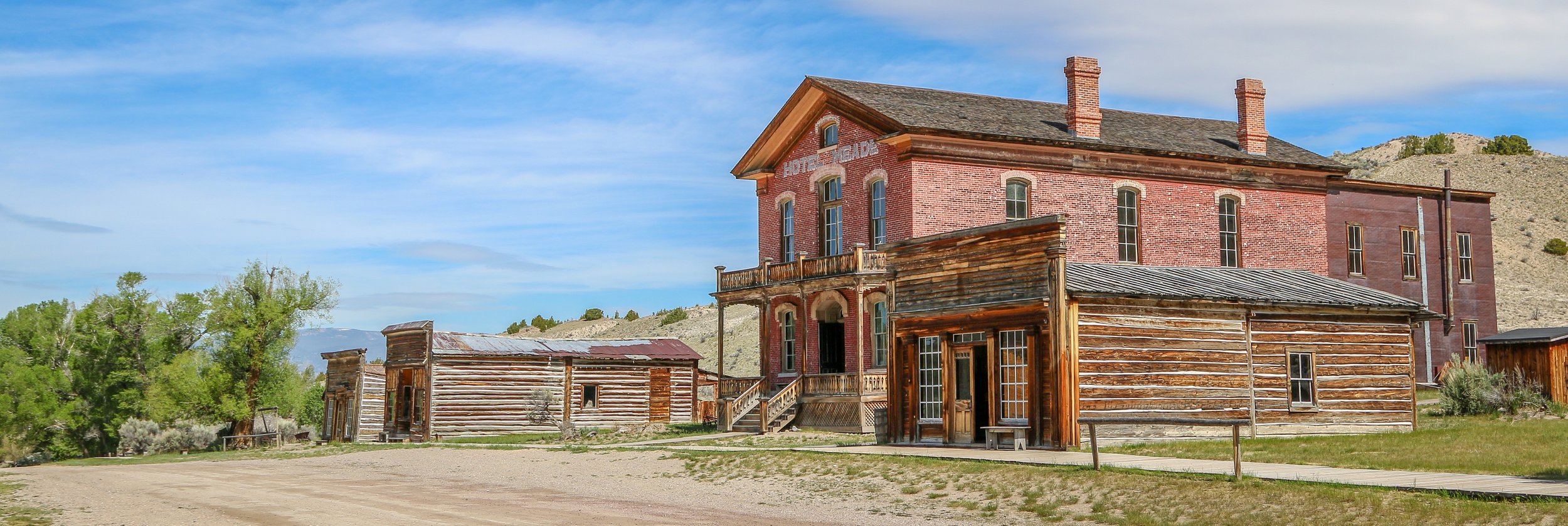
Gold was discovered on Grasshopper Creek in 1862 and the town of Bannack would quickly sprout up nearby, eventually growing to a population of over 10,000 people. Named after the local Bannock Indians, Bannack would serve as Montana’s territorial capital for 2 years before Virginia City took over the role. During its heyday, Bannack boasted three hotels, three bakeries, three blacksmith shops, two stables, two meat markets, a grocery store, a restaurant, a brewery, a billiard hall, and four saloons. In 1864, Bannack elected Henry Plummer as their sheriff. Plummer was the leader of a gang of outlaws known, ironically, as The Innocents, which prayed on supply wagons making their way between Bannack and Virginia and Nevada Cities. Eventually, a posse was raised in Virginia City known as the Vigilance Committee of Alder Gulch or, more simply, The Montana Vigilantes. They tracked down Plummer and his gang and lynched him in the middle of Bannack without a trial in 1864. Bannack’s population would fluctuate over the next hundred years with the price of gold, but the last resident left town in the 1970s. Thankfully a group of local residents stepped in to preserve Bannack and today it is a Montana State Park. I also thought it was cool that the Masonic Temple is still in regular use. I really enjoyed my time wandering the streets of town and I hope you enjoy these photos from beautiful Bannack, a classic Montana ghost town.

Comment

This Week on the Road - June 18th-24th

Comment

This Week on the Road - June 18th-24th

Hello Everyone!

Well, as of this writing my Shadow Catcher is still in the shop, but it should be ready by the end of the day, three weeks to the day after we rolled into Missoula. I certainly never expected it to take this long and can only say that I really wish Dodge hadn’t used some strange axle when they built this van. Usually Dodge parts are pretty easy to come by, but we finally ran out of luck with this one. I’m really hoping that everything is truly set to go and that we can cruise through the rest of the summer with no problems. That said, it’s been a pretty good week out here all things considered. I spent the beginning of the week out exploring in my loaner truck, came back to Missoula for the Zootown Music Festival over the weekend and then headed back south to my friend’s house in Corvallis for the rest of the week. I just pulled back into Missoula this morning and hopefully we’ll be back on the road by this time tomorrow.

View fullsize

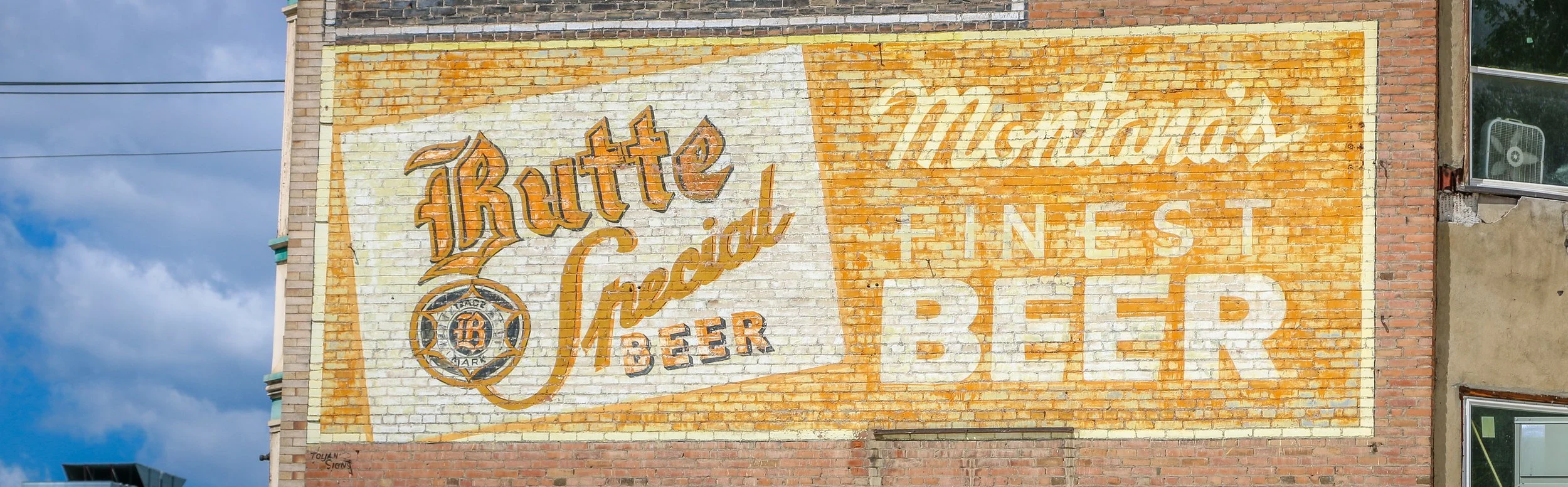
After I finished up this post last week, I went out and had a nice long walk around Butte. Butte is truly one of the most photogenic cities I’ve ever been to and there always seems to be something new to see every time I’m there. The sun was on its way down so the light was good and my camera was very happy to be clicking away. I wandered down to the warehouse district for dinner at Casagranda’s Steakhouse, a cozy little spot tucked into the old Bertoglio building with an awesome Highlander Beer mural on the front. I have really been looking forward to eating a local steak and this was an awesome place to get one. The prices were incredibly reasonable, especially considering that the steaks came with soup AND salad, fresh baked bread, a side dish and even a scoop of ice cream at the end. It was a truly satisfying meal in a lovely setting. After dinner I wandered back up the hill into Uptown to take some more photos. I popped into Maloney’s bar for a beer and then had one more at the Copper King Saloon before calling it a night. The Copper King was located across the street from the old Milwaukee Road train station and had a lot of cool history which the ladies there were happy to discuss.

Comment

Snapshots: Wisdom - A Tiny Town in Montana's Big Hole

Comment

Snapshots: Wisdom - A Tiny Town in Montana's Big Hole

Tiny Wisdom, Montana takes its name from explorers Merriweather Lewis and William Clark’s name for the river which runs through town. Today we call it the Big Hole River, but who would change a town called Wisdom? It would seem unwise to me. Resting in the Big Hole Valley between the Pioneer, Anaconda and Beaverhead Mountains, Wisdom is also surrounded by Beaverhead-Deer Lodge National Forest. The Big Hole Valley is also known as the “Valley of 10,000 Haystacks” due to the ranching in the area which uses the beaverslide hay stacking technique developed nearby. There isn’t much to Wisdom, but I found it a pleasant place nonetheless. I stayed at the immaculate American Legion campground just outside of town and enjoyed a visit to the Antlers Saloon. My friend, Crystal, grew up in Wisdom and remembers it as a fun place when she was a child. Her grandmother owned several businesses in town and her brother still lives nearby. Today, Wisdom’s big draw is fly fishing, but it’s also along quite a popular cycling route. I hope you enjoy these photos from tiny Wisdom, Montana - a cute little town in the Big Hole Valley.

Comment